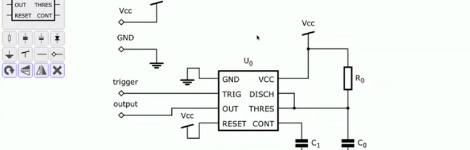
The inner workings of servo motors

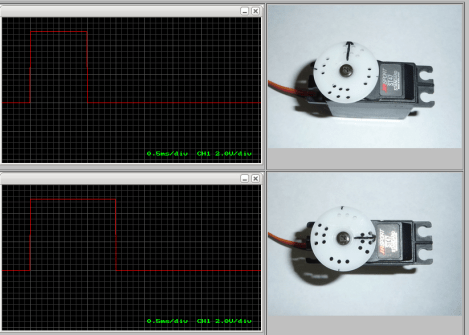
Servos seem to be the go-to option when adding motors to hobby projects. They’re easy to hack for continuous rotation for use in a robot, but with the control board intact they are fairly accurate for position-based applications. But do you know how the hardware actually works? [Rue Mohr] recently published an article that looks at the inner world of Read the rest

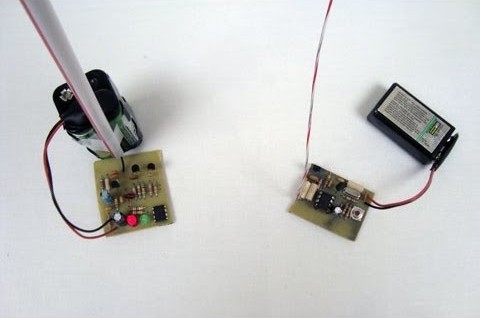
27 MHz transmitter/receiver pair made with 555 timers

Get your feet wet with radio frequency transmitters and receivers by working your way through this pair of tutorials. [Chris] built the hardware around a couple of 555 timers so you don’t need to worry about any microcontroller programming. He started by building the transmitter and finished by constructing a receiver.

Apparently the 27 MHz band is okay to … Read the rest

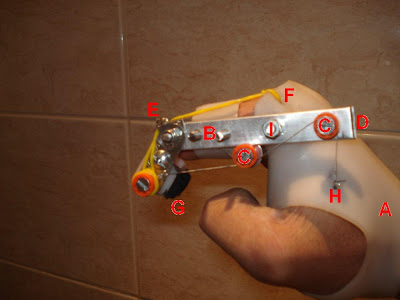
Open source finger prosthesis

Here’s a project that is striving to develop a set of open source finger prosthesis. They are aimed at patients who have partial amputations. This means that part of the digit remains and can be used as the motive force behind a well designed mechanical prosthesis like you see above. This uses levers, pulleys, and wire to move a … Read the rest

Hackaday Links: October 18, 2012

Capacitive touch plants

Here’s a proof of concept for using plants as a capacitive touch sensor. The sensor is simply a hunk of double-sided copper clad board attached to a microcontroller. But it seems to be able to sense what part of the plant is being touched. [Thanks Fabien]

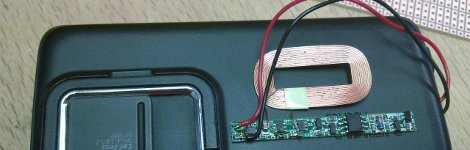
Adding wireless charging to a Nokia N900

This hack is … Read the rest

Unlocking silk for uses as an optical, digital, biological, or food storage device

[Fiorenzo Omenetto] gave a TED talk early last year to illustrates a lot of intriguing uses for silk. Before watching his presentation we would have been hard pressed to come up with a use for silk other than in clothing. But it turns out that investigating how silk worms create the material has led to a range of other applicationsRead the rest

Most useless machine: building elevator edition

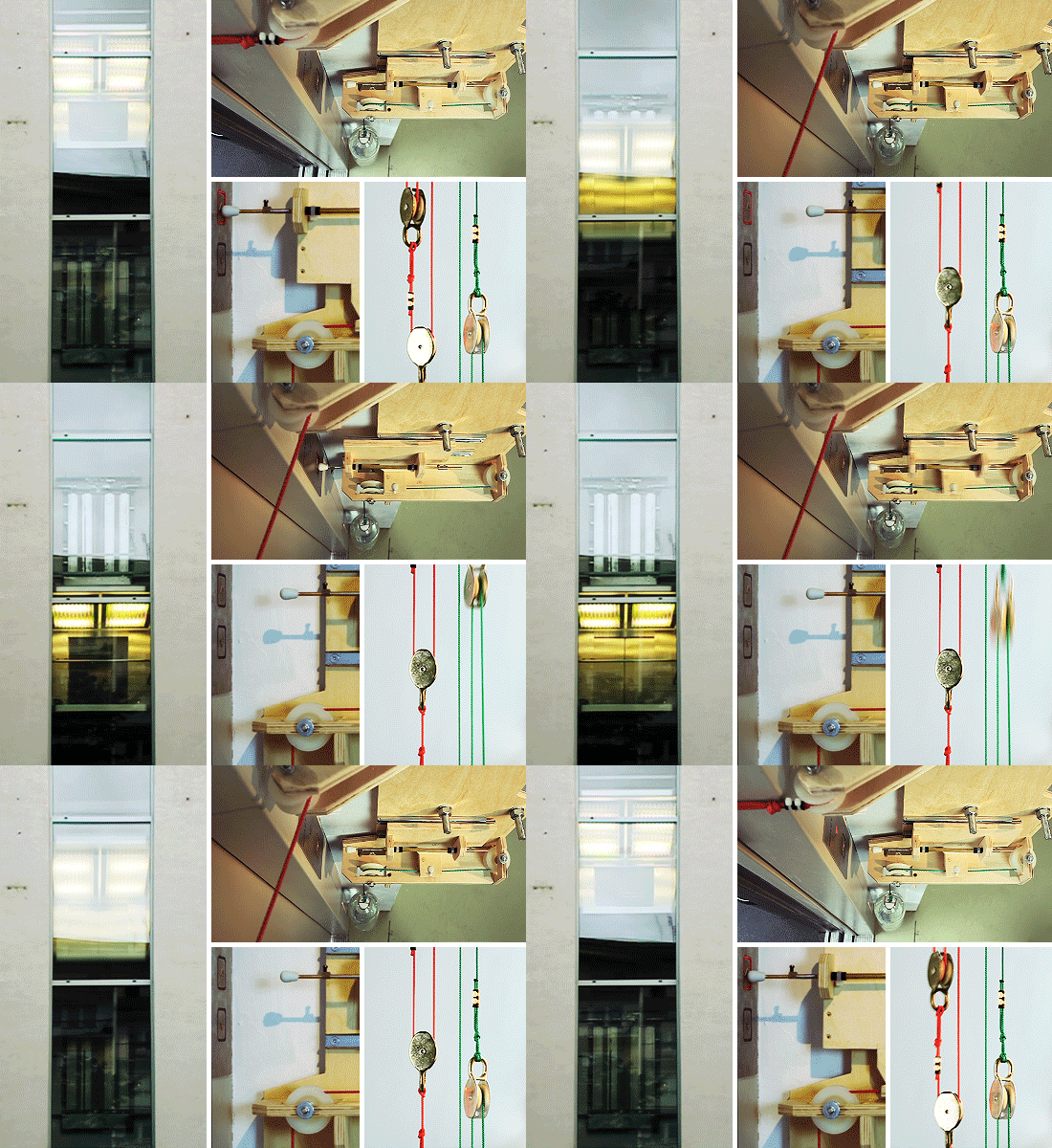
[Niklas Roy] calls it his Perpetual Energy Wasting Machine, but we know it for what it truly is: a building-sized most useless machine. You’ll remember that a most useless machine is a bobble that uses clever design to turn itself off once you have turned it on. This does the same thing with the elevator of the WRO … Read the rest

Creating a MIDI synth from a Commodore SID

The Commodore SID was the audio chip in the venerable Commodore 64 and in the 30 years since release has attained classic status and become one of the best ways to get your chiptune on. Designed by famous synthesizer designer [Bob Yannes], it was only a matter of time before we saw a real, homebrew MIDI synth based on the Read the rest