Building Penny’s Computer Watch From Inspector Gadget

When you help your bumbling Uncle Gadget with all kinds of missions, you definitely need a watch that can do it all. Penny’s video watch from Inspector Gadget has a ton of features including video communication with Brain and Chief Quimby, a laser, a magnet, a flashlight, a sonar signal, and much more.
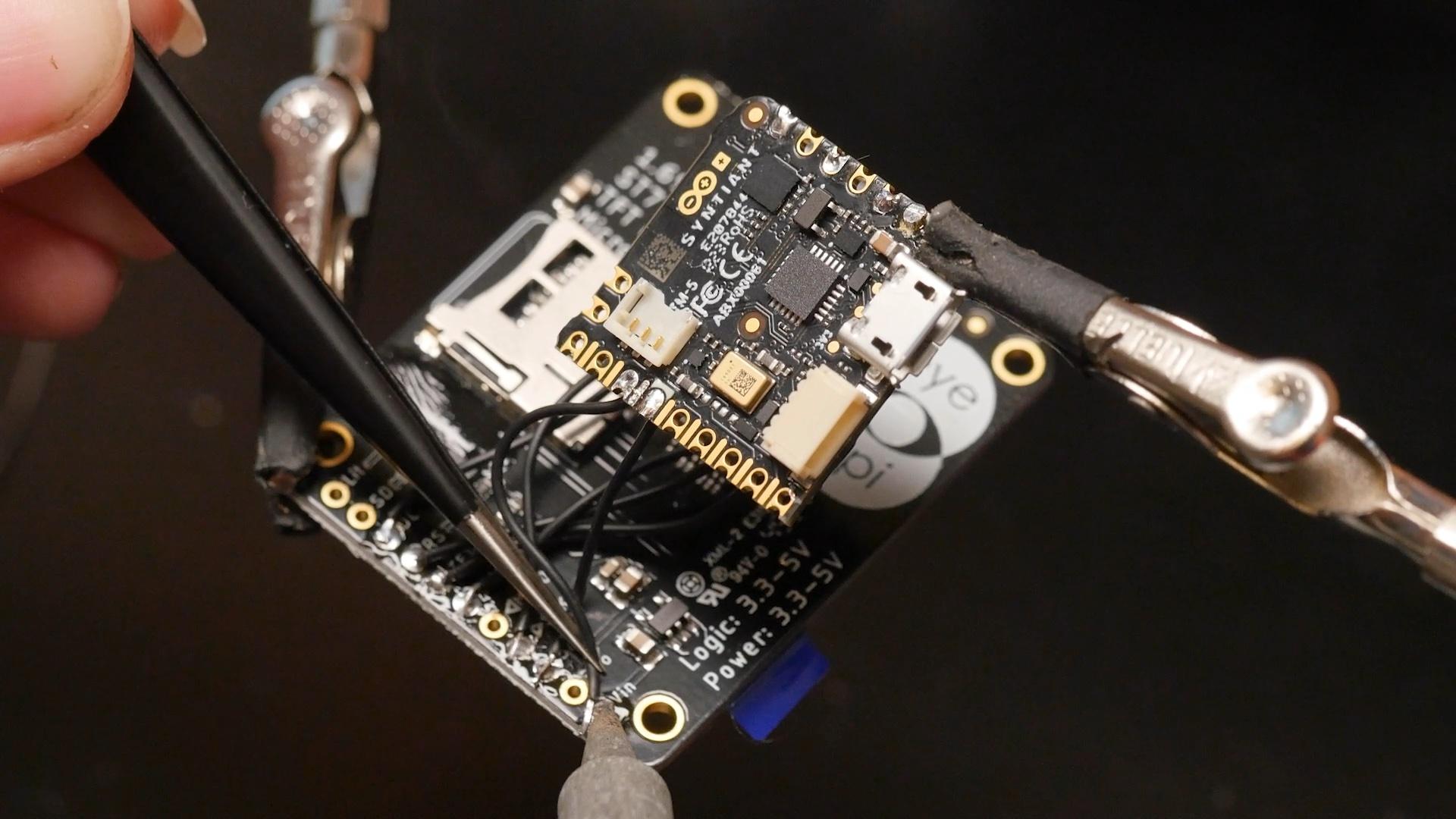
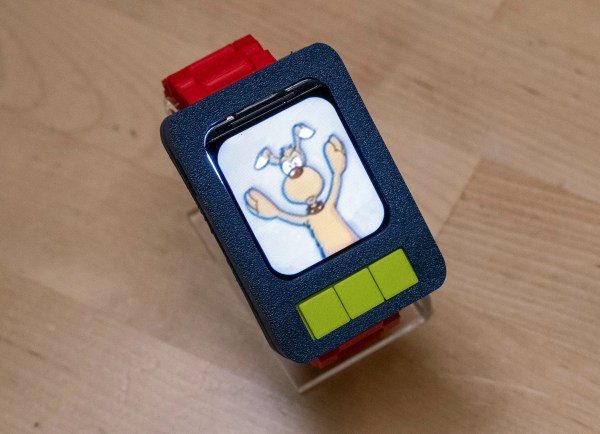
To round out her Penny costume, [Becky Stern] has created a 3D printed version of Penny’s incredibly smart watch. It listens for Penny’s iconic phrase — come in, Brain! — and then loads a new picture of Brain on the rounded rectangle TFT display. Inside the watch is an Arduino Nicla Voice, which has to be one of the tinier machine learning-capable boards out there.

[Becky] created the watch case in Tinkercad and modified a watch band from Printables to fit her wrist. With such a small enclosure to work with, [Becky] ended up using that really flexible 30 AWG silicone-jacketed wire for all the fiddly connections between the Arduino and the screen.

After getting it all wired up to test, she found that the screen was broken, either from pressing it into the enclosure, or having a too-close encounter with a helping hands. Let that be a lesson to you, and check out the build video after the break.

More interested in Uncle Gadget’s goodies? Check out these go-go-Gadget shoes and this propeller backpack for skiers.

Continue reading “Building Penny’s Computer Watch From Inspector Gadget“ →
Inside A Pair Of Smart Sunglasses

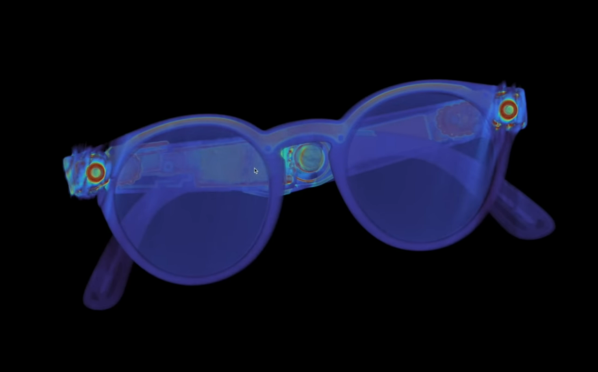
If you’re willing to spend $200 USD on nothing more than 100 grams of plastic, there are a few trendy sunglasses brands that are ready to take your money before you have time to think twice. Sure, you can get a pair of sunglasses for an order of magnitude less money that do the exact same job, but the real value is in the brand stamped into the plastic and not necessarily the sunglasses themselves. Not so with this pair of Ray-Bans, though. Unlike most of their offerings, these contain a little bit more than a few bits of stylish plastic and [Becky Stern] is here to show us what’s hidden inside.

At first glance, the glasses don’t seem to be anything other than a normal pair of sunglasses, if a bit bulky But on closer inspection they hide a pair of cameras and a few other bits of electronics similar to the Google Glass, but much more subtle. The teardown demonstrates that these are not intended to be user-repairable devices, and might not be repairable at all, as even removing the hinges broke the flexible PCBs behind them. A rotary tool was needed to remove the circuit boards from the ear pieces, and a bench vice to remove the camera modules from the front frame. We can presume these glasses will not be put back together after this process.

Hidden away inside is a pair of cameras, a Snapdragon quad-core processor, capacitive touch sensors, an amplifier for a set of speakers. Mostly this is to support the recording of video and playback of audio, and not any sort of augmented reality system like Google Glass attempted to create. There are some concerning ties with Facebook associated with this product as well which will be a red flag for plenty of us around here, but besides the privacy issues, lack of repairability, and lack of features, we’d describe it as marginally less useful as an entry-level smartwatch. Of course, Google Glass had its own set of privacy-related issues too, which we saw some clever projects solve in unique ways.

Continue reading “Inside A Pair Of Smart Sunglasses” →

Look Inside This “Meditation Headband” And Integrate It Into Your Own Projects

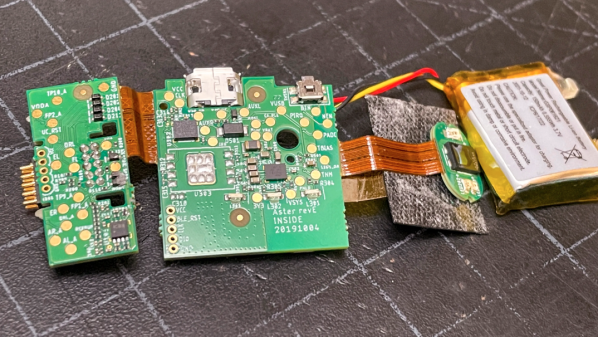
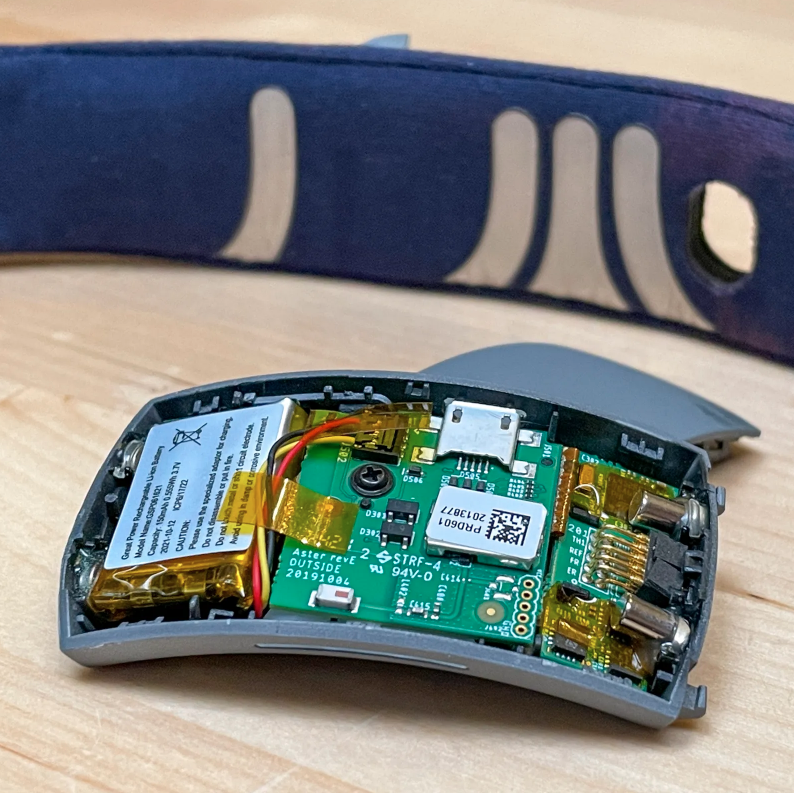
Muse makes a variety of wearable devices aimed at measuring brain and body activity, and [Becky Stern] did a detailed teardown of the Muse S model, revealing what goes on inside the device.

The Muse S is a soft, sleep-friendly biofeedback wearable mounted on silver-plated fabric. Not only does [Becky] tear it down, but she provides loads of magnified images and even has it CT scanned. The headband has conductive fabric embedded into it, and the core of the device is stuffed with three separate PCBs that get pretty thoroughly scrutinized.

While the Muse S is sold mainly as a meditation aid and works with a companion app, there is, fortunately, no need to go digging around with a screwdriver and soldering iron to integrate it into other projects. The Muse S is supported by the Brainflow project which opens it up to different applications. Brainflow is a library intended to obtain, parse, and analyze EEG, EMG, ECG, and other kinds of data from biosensors.

If you think Muse and Brainflow sound familiar, that might be because of another project we featured that integrated a Muse 2 and Brainflow with Skyrim VR, creating a magic system whose effectiveness depends on the player’s state of mind. Good things happen when hardware and software are accessible to users, after all.

You can watch a video tour of the teardown in the video, embedded just under the page break.

Continue reading “Look Inside This “Meditation Headband” And Integrate It Into Your Own Projects” →

Brass Plaque Honors Brother

Brass plaques are eye-catching because no one makes them on a whim. They are more costly than wood or plastic, and processing them is proportionally difficult. [Becky Stern] picked the medium to honor her brother, who enjoyed coffee, motorcycles, and making things by hand. She made some playing card-sized pieces to adorn his favorite brand of hot bean juice and a large one to hang at his memorial site.

The primary components are a vertical salt water bath, DC power supply, metal to etch, scrap steel approximately the same size, and a water agitator, which in this case is an air pump and diffuser stone. You could stir manually for two hours and binge your shows but trust us and take the easy route. The video doesn’t explicitly call for flexible wires, but [Becky] wisely selected some high-strand hook-up leads, which will cause fewer headaches as stiff copper has a mind of its own, and you don’t want the two sides colliding.

There are a couple of ways to transfer an insulating mask to metal, and we see the ole’ magazine paper method fail in the video, but cutting vinyl works a treat. You may prefer lasers or resin printers, and that’s all right too. Once your mask is sorted, connect the positive lead to the brass and the negative to your steel. Now, it’s into the agitated salt water bath, apply direct current, and allow electricity to immortalize your design.

Continue reading “Brass Plaque Honors Brother” →

Friendly Webcam Robot Keeps An Eye On Privacy

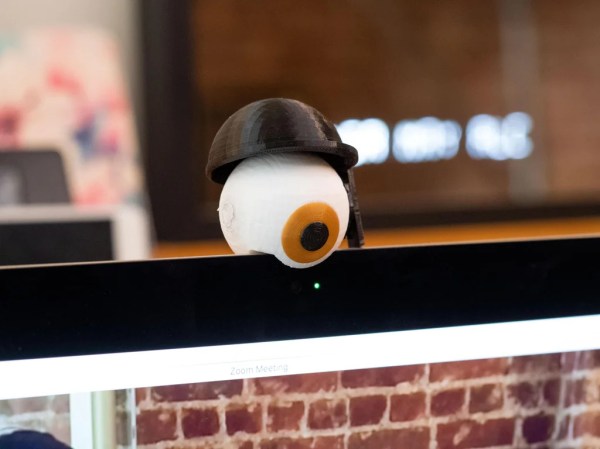
Wouldn’t it be nice if every webcam had a hardware switch? Especially for those built-in webcams like the one in your laptop. Since they don’t have switches yet, we’re just stuck trying to remember to turn them off or re-apply the sticker after every meeting. [Becky Stern] was tired of trying to remember to blind the all-seeing eye, and decided to make a robot companion that would do it for her.

Essentially, a servo-driven, 3D-printed eyelid covers the eye’s iris and also the web cam directly underneath. At first, we though [Becky] had liberated the business parts of a cheap webcam and built it into the eyeball, but this is far less intrusive. The eyeball simply sits atop the monitor, and [Becky] can control the eyelid two ways: she can set a timer with the potentiometer to close it automatically after some number of minutes, or else do it on demand using the momentary button. We’d love to see it tied directly to Zoom and or whatever else [Becky] uses regularly. Be sure to check out the build and demo video after the break to see it in action.

We love this cute and friendly reminder that the camera could be watching us. It’s way less creepy than this realistic eyeball webcam that looks around and blinks.

Continue reading “Friendly Webcam Robot Keeps An Eye On Privacy” →

Electronic Embroidery Birthday Card Is A Celebration Of Skills

Hackers and makers can sometimes feel like they’re getting the short end of the stick when it comes to gift giving. You’re out there making thoughtful, intricate circuit sculptures, helpful software, or face masks for people, and what do you get in return? Okay, yes, usually gift cards or tools or other things that feed your creativity in the first place. But darn it, it would be nice to receive a handmade gift once in a while, right?

So here’s what you do: make friends with enough other makers that you find your birthday twin, or close enough that you both feel the warmth of the personal holiday you share. Then you get them to agree to trade handmade birthday presents with you. That’s more or less what happened between [Becky Stern] and [Estefannie], who seem to have found each other through the magic of sharing projects on YouTube.

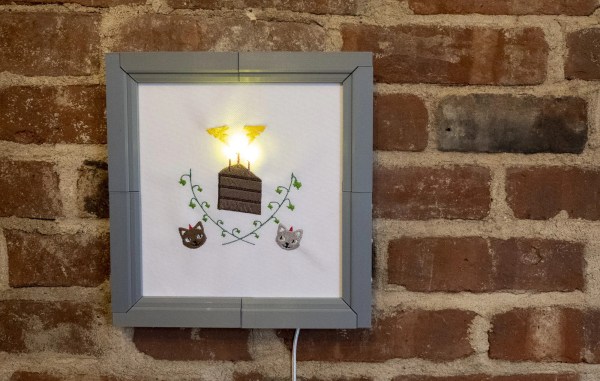
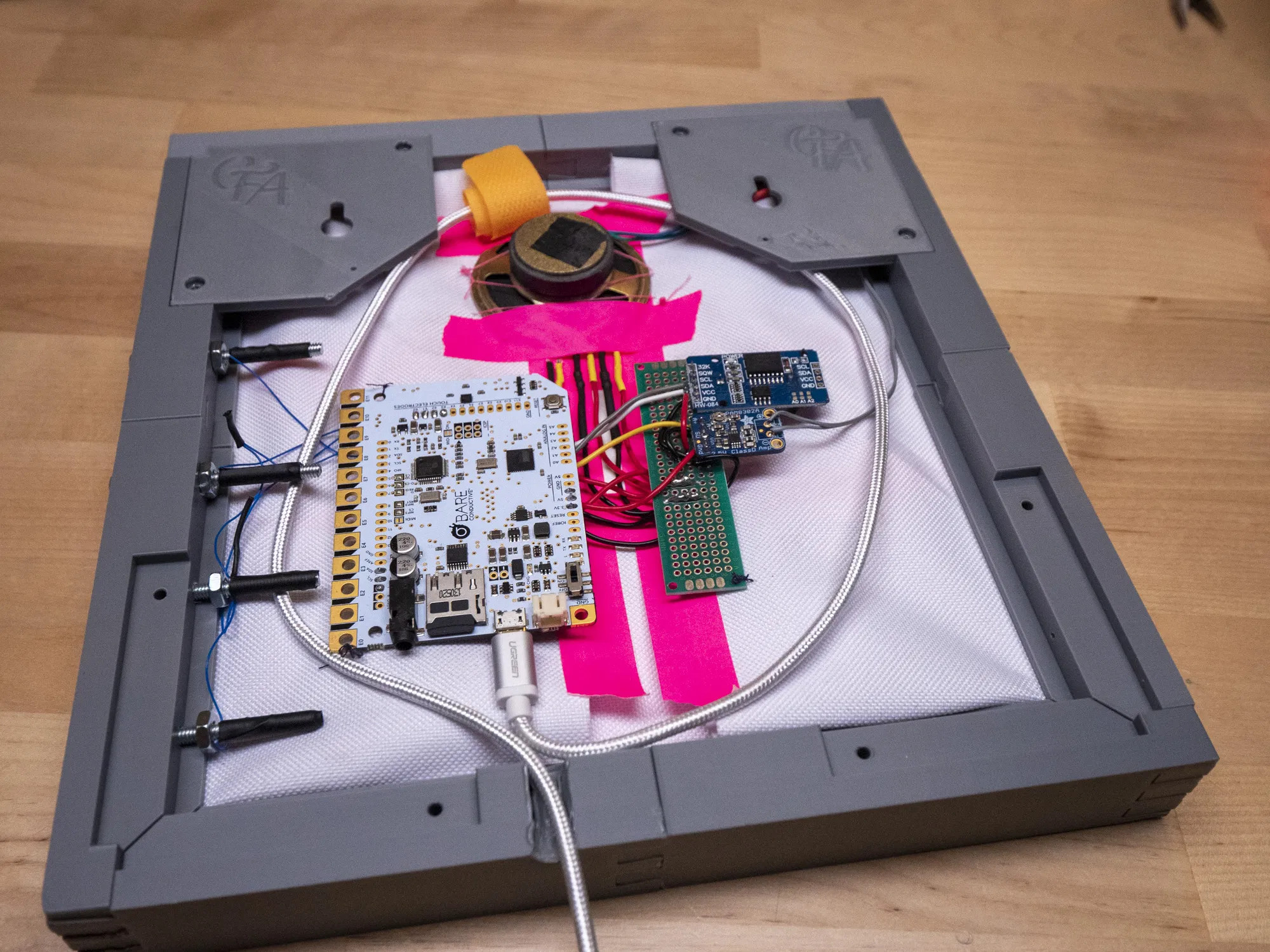
[Becky]’s gift to [Estefannie] is a busy intersection of maker elements including graphic design, embroidery, electronics, and 3D printing. [Becky] started with the embroidery, which was made possible thanks to a new open-source library for Processing called PEmbroider. Once that was done, she 3D printed the frame and added the electronics — candle flicker LEDs for the birthday cake, and a handful of songs that are accessible via touch contacts screwed into the side of the frame. [Becky] added a real-time clock module so it plays a few extra songs on [Estefannie]’s actual birthday.

The most thoughtful element here is personalization, and it’s amazing what can happen when you put 100% of yourself into something that is 100% about someone else. Every bit of the art is personal to [Estefannie], and every atom of the build is pure [Becky]. Check out the demo and build video and see what [Estefannie] made for [Becky] after the break.

[Becky]’s varied creativity has graced these pages many times before. See how she bid adieu to 2020, built a daily affirmation mirror, and gave a mask-making masterclass in the early stages of the pandemic.

Continue reading “Electronic Embroidery Birthday Card Is A Celebration Of Skills” →

Goodbye 2020 Contest Winners Announced

The Goodbye 2020 contest asked you to turn out the lights on an objectively crappy year in an interesting way. Four winners have been announced, and we have to tip the hat to [Becky Stern] for both creativity and execution on the 2020 candle seen above. Three wicks burn the candle down, revealing a metalwork dumpster fire along the way. It’s not just a performance piece but also an interesting look into candle making with 3D printed molds and insight on specifics like pour-temperature for best results. [Becky] entered as a group with a few other YouTube channels that included gags like [TechnoChic’s] knitted 2020 mask that is unraveled to count down the to the end.

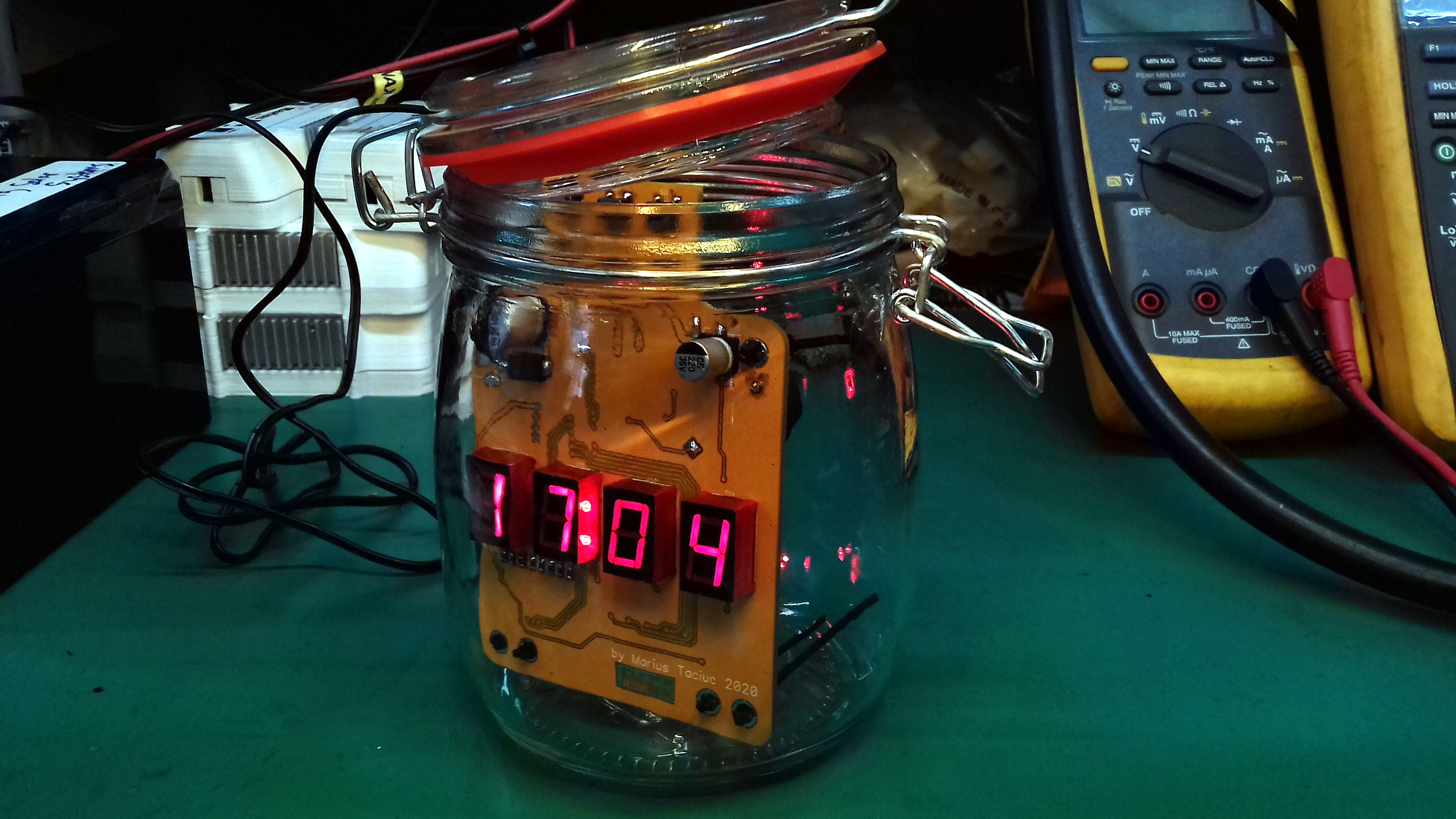
[Marius Taciuc] spun up a clock to count down his year. The custom PCB uses a set of 7-segment displays to show the time (and some custom messages), along with a battery-backed RTC for precision. The aesthetic is a PC overclocker’s dream as the timepiece lives inside of a mason jar filled with baby oil.

You certainly can’t go out to a rave during these pandemic times. [George Cave] brought the party to his face with a set of shades that blast RGB light into your eyeballs. A pair of ultasonic distance sensors shut the party down if anyone breaks social distancing guidelines.

And [Scott Clandinin] picked up an honorable mention with a Christmas-themed countdown. A color LCD takes the place of a from/to card on a gift wrapped package, displaying the number of days using candy cane font.

Congratulations to each of the winners who received a $25 Tindie gift card for showing off their whimsical work.