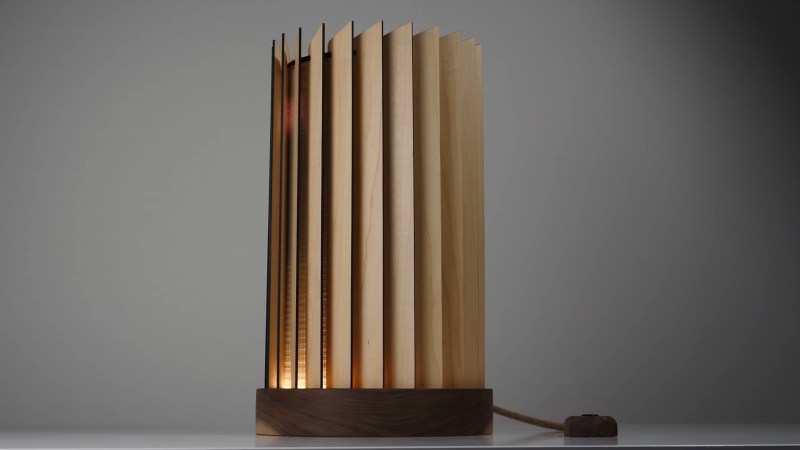
A series of wooden rectangles are arranged vertically around the edges of a dark wooden base, reminiscent of a very tall radial fan. Light glows from the base up the slots between the vanes. a cord runs from behind the dark base to a small puck of the same color. The setup sits on a light grey table in front of a light grey wall.

A Beautiful Lamp-Inspired PC Case

Sometimes you see something super cool and think of how it would be really neat if applied in a totally different context. [MXC Builds] saw an awesome lamp from [karacreates], but decided it would be better as a PC case.

We love seeing how different techniques can be used in conjunction to make something that no one method could produce on its own, and for this build, we see [MXC Builds] use 3D printing, laser cutting, CNC, sewing, soldering, and traditional woodworking techniques.

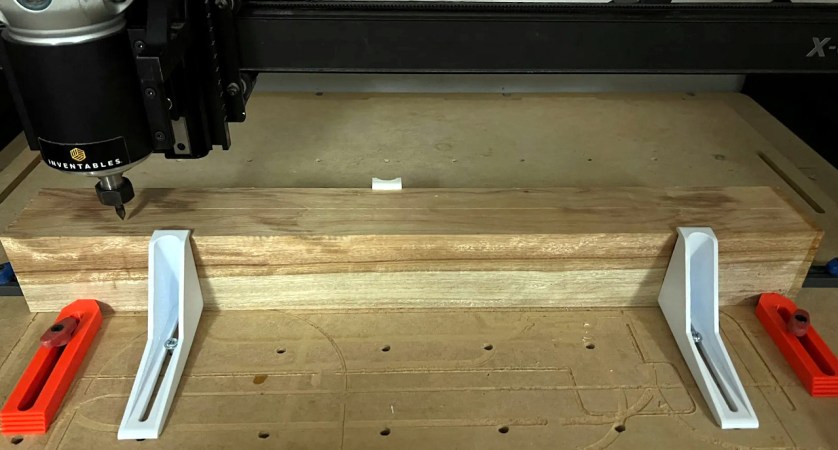
A large part of the video is spent on the CNC process for the walnut base and power button enclosure for the build. As with any project, there are a few places requiring some creative use of the tools on hand, like the walnut piece for the base being too tall for the machine’s usual z-calibration puck or any of [MXC Builds]’s bits to do in one pass, and it’s always interesting to see how other makers solve these issues.

If you’re looking for other beautiful casemods, how about a transparent PS2 or this Art Deco number? Before you go, may we bend your ear about how PC Cases are Still Stuck in the Dark Ages?
Continue reading “A Beautiful Lamp-Inspired PC Case” →

CCFL Scanner Bulb Makes A Cool Desk Lamp

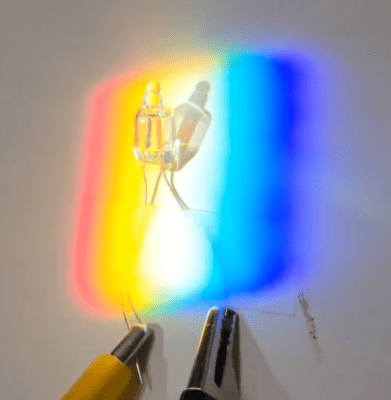
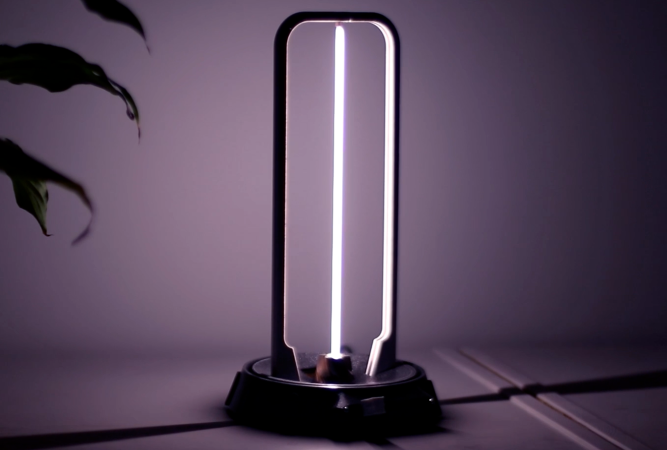
The bulbs inside scanners (before transitioning to LED, anyway) were cold cathode fluorescent tubes that emit a fairly wide bandwidth of light. They were purpose-built to produce a very specific type and shape of light, but [Julius Curt] has taken this in a new, upcycled direction. Instead of just producing light, the light itself is also part of the aesthetic. A very cool 3D printed case houses the bulb and power supply and smartly hides the connecting wires to achieve a very clean look.

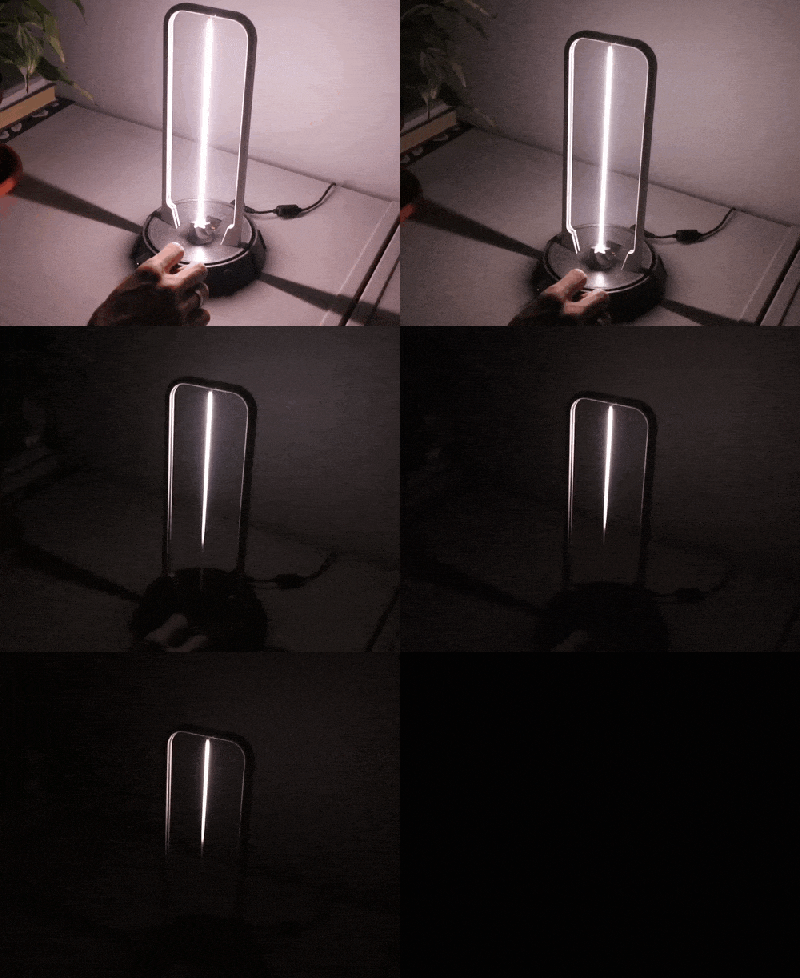
Part of the design involves adding a DC-DC converter before the lamp driver, allowing fading of the light. This isn’t anything new in lamps, but [Julius] noticed an interesting effect when dimming the vertically oriented lamp: as the power was reduced, the column of light would start to extinguish from one end, leading to an elongated teardrop-shaped light source.

This leads to a very interesting look, and the neat case design leads to an extremely unique lamp! The emitted light’s color temperature seems to vary a bit as the voltage drops, going from what appears to be a pretty cold white to a slightly warmer tone.

The design process is detailed on the project page, with a quick look at the CAD design process for the case. A neat touch was using a greeble (part of a coffee grinder) to add some different textures and break up the plastic-only look. That’s one we’ll have to note in our design books!

Continue reading “CCFL Scanner Bulb Makes A Cool Desk Lamp” →

Demonstrating The Photoelectric Effect Using Neon Lamps

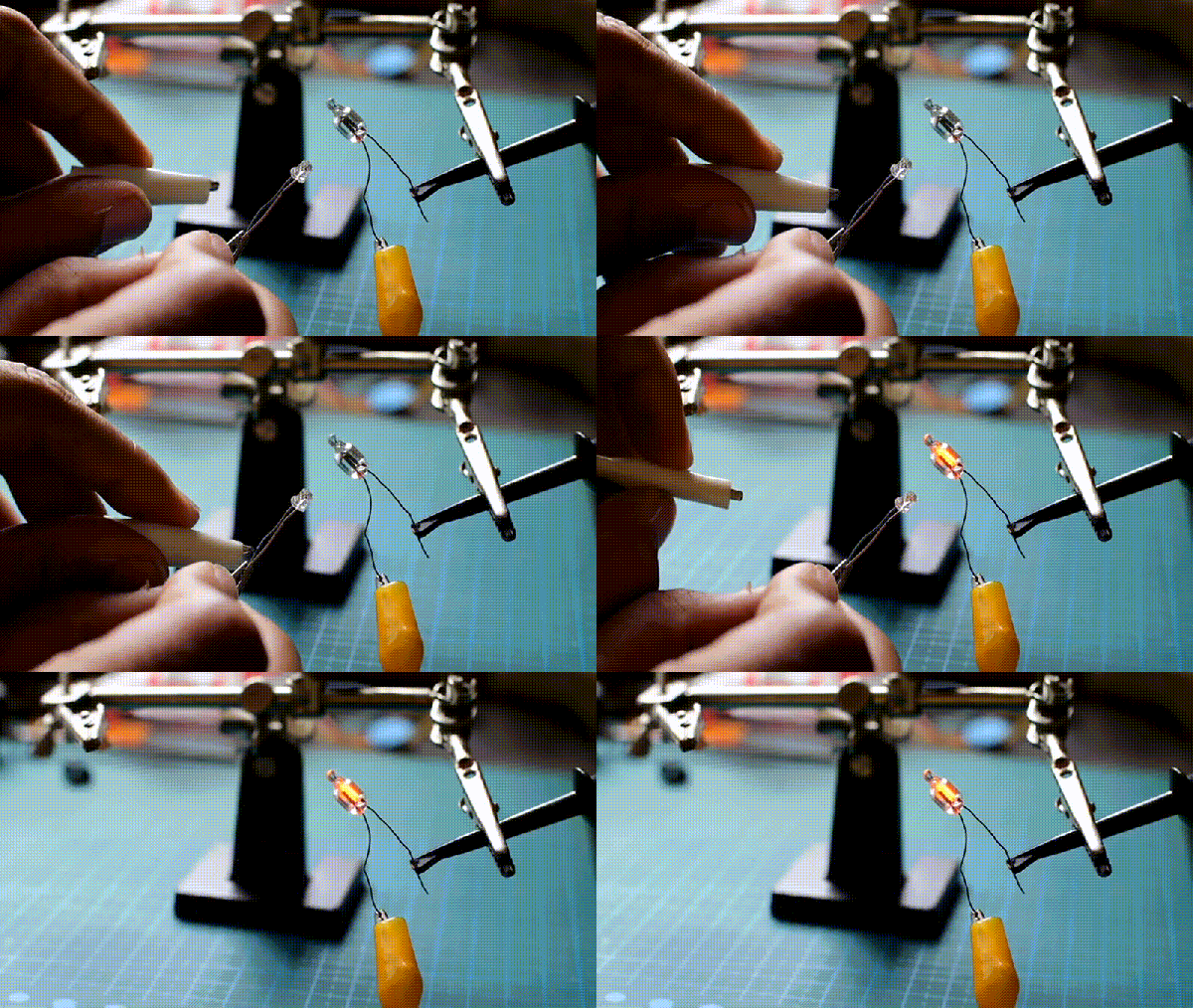
Neon lamps are fun to play with. These old-school indicators were once heavily utilized in many types of equipment for indication purposes but now seem largely relegated to mains voltage indication duties. Here’s a fun video by [Ashish Derhgawen], discussing the photoelectric effect of neon lamps with some simple demonstrations.

Orange light makes it light!

[Ashish] demonstrates the well-known photoelectric effect by triggering a sub-biased neon lamp with visible light from an LED. Neon bulbs work on the principle of voltage-induced ionization, creating a visible glowing plasma. If the applied voltage is high enough, around 60 to 80 V, electrons get knocked off the neutral neon atoms. The now free electrons, roaming around highly energized, will eventually come across a neon ion (missing an electron) and recombine to make it neutral again.

The results are a lower total energy state, and the difference in energy is resolved by the emission of a photon of light, which, in the case of neon, is a dull reddish-orange. Nothing unusual there. However, nothing will happen if the applied voltage bias isĀ just below this device-specific threshold. There’s not enough energy to strip electrons.

Apply an external light source, and this threshold can be exceeded. The photons from the LED are just energetic enough to strip a small number of electrons from the surface of the electrodes, and this causes a cascade, or avalanche effect, lighting up the plasma and turning on the neon lamp. Take away the external light source, and it dies down and goes dark.

Continue reading “Demonstrating The Photoelectric Effect Using Neon Lamps” →

Proper Mag Lev Controller Makes Snail Lamp Much Cooler

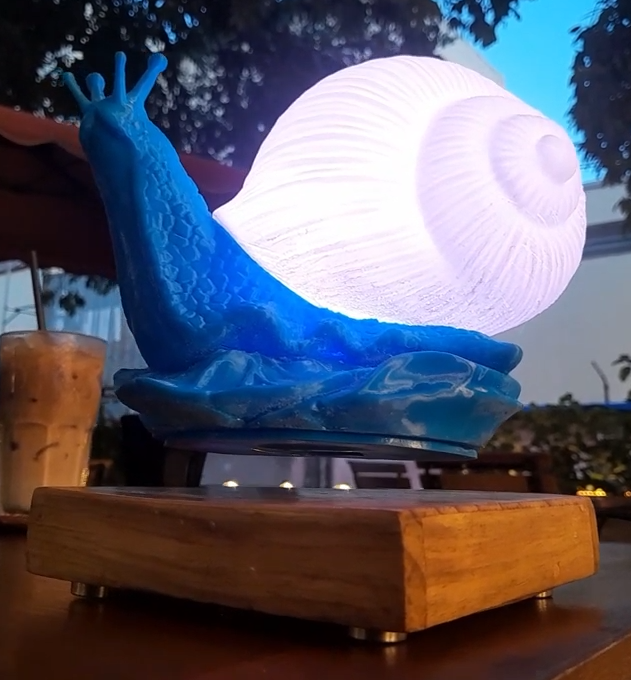
Magnetic levitation has not quite revolutionized the world of transit the way some of us might have hoped. It has, however, proven useful to [mrdiytechmagic], who has put the technology to grand use in making his levitating snail lamp.

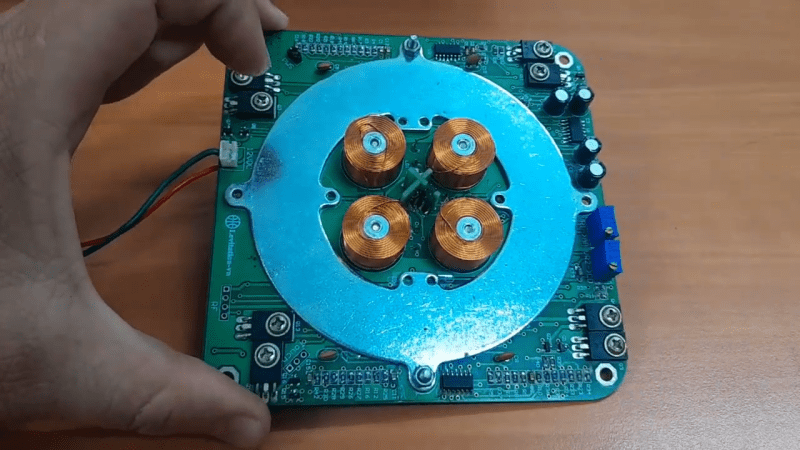
The build is actually relatively complicated compared to some levitating toys you might have seen before. It uses a number of coils to produce a magnetic field to levitate the 3D printed plastic snail which contains the lighting element itself.

The actively controlled levitation base uses a magnetic sensor to detect the changing field as the snail moves above it. It then varies the current going to the various coils to keep the snail balanced and in place. Power is transmitted with a further larger coil, much as in a wireless phone charger. This is picked up by a circuit in the snail, and used to power the LEDs inside.

It might not have been our first choice, but having seen it in action, we can’t deny a levitating 3D printed snail is pretty impressive. If you’d prefer something slightly more befitting such a high-tech looking presentation, perhaps a hovering SpaceX Starship would be more your speed.

Continue reading “Proper Mag Lev Controller Makes Snail Lamp Much Cooler” →

OpenSCAD Cranks Out Parametric CNC Clamps

If you’ve ever used a CNC router or mill, you’ll know how many little things need to go right before you get anything resembling acceptable results. We could (and probably should?) run a whole series of posts on selecting the correct bit for the job at hand and figuring out the appropriate feeds and speeds. But before you even get to that point, there’s something even more critical you need to do: hold the workpiece down so it doesn’t blast off into orbit when the tool touches it.

Now that might sound like an easy enough job, and for basic flat stock, it often is. But if you’ve got an oddly shaped piece of material, you’ll quickly realize how inadequate those trusty c-clamps really are. When you get to that point, it might time to check out these OpenSCAD hold down clamps from [ostat]. Thanks to its parametric nature, you can plug whatever dimensions you need into the script, and in a few seconds it will spit out an STL file for a bespoke clamp that you can print out and put to work.

Continue reading “OpenSCAD Cranks Out Parametric CNC Clamps” →

DIY DNA Lamp

DIY Electronics Plus Woodworking Equal Custom Lamp

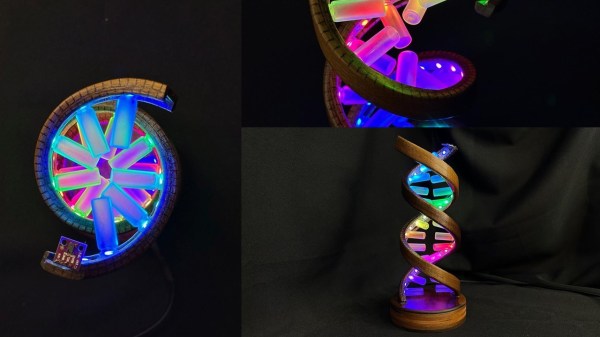
There is something about wooden crafts that when combined with electronics, have a mesmerizing effect on the visual senses. The Gesture Controlled DNA Wooden Desk Lamp by [Timber Rough] is a bit of both with a nice desk piece that’s well documented for anyone who wants to build their own.

Construction starts with a laser cutter being employed to add kerfs, such that the final strips can be bent along a frame tube to form the outer backbone of the DNA helix structure. Add to the mix some tung oil, carnauba wax, and some glue — along with skill and patience — and you get the distinct shape of sugar-phosphate backbone.

The electronics include an ESP8266 with the PAJ7620 gesture sensor that controls two WS2812B RGB LED Strips. The sensor in question is very capable, and comes with the ability to recognize nine human hand gestures along with proximity which makes it apt for this application. The sensor is mounted atop the structure with the LEDs twisting down the frame to the base where the ESP8266 is tucked away. Tiny glass bottles are painted with acrylic spray varnish and then glued to the LEDs to form the base pairs of the double helix. We thought that the varnish spray was a clever idea to make light diffusers that are quick and cheap for most DIYers.

We previously covered how this particular gesture sensor can be used to control much more than a lamp if you seek more ideas in that realm.

Continue reading “DIY Electronics Plus Woodworking Equal Custom Lamp” →

Lamp Becomes Rotating, Illuminated Sign For Festival Table

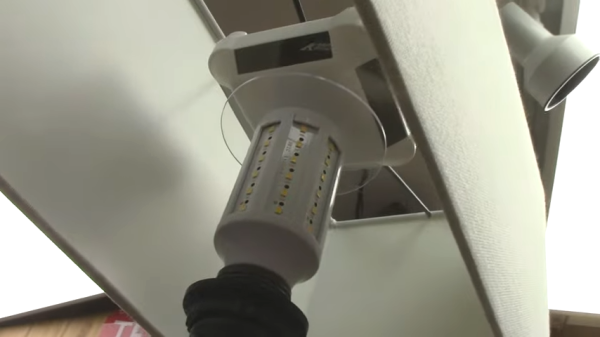
Two things we love are economical solutions to problems, and clever ways to use things for other than their intended purpose. [CelGenStudios] hits both bases with a simple illuminated and spinning sign made from a lamp and a couple economical pieces of hardware: an LED bulb, and a solar-powered product spinner. Both are readily and cheaply available from your favorite overseas source.

The first step in making a cheap illuminated sign is to not buy one, but instead make do with a standing lamp. Plug a bright LED bulb into the socket, decorate the lampshade with whatever logos or signs one wishes to display, and one has an economical illuminated sign suitable for jazzing up a table at an event. But what really kicks it up a notch is making it rotate, and to do that is where the clever bit comes in.

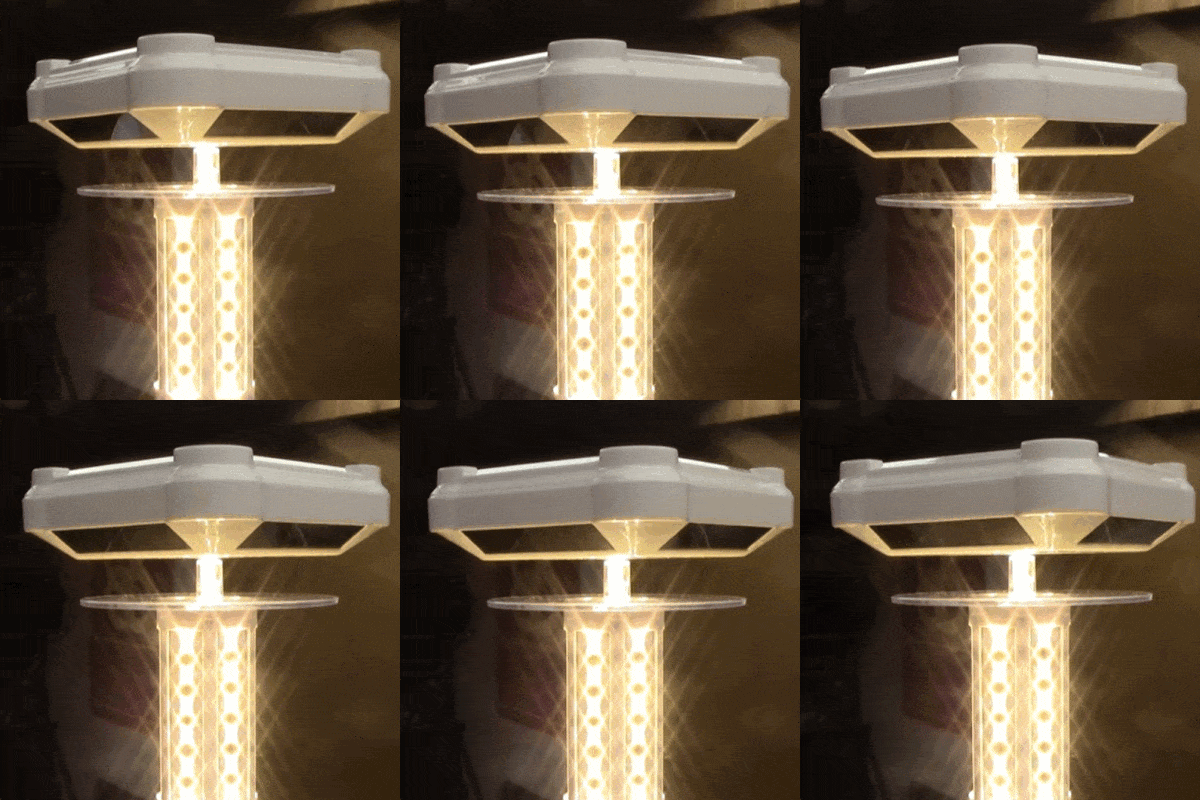
Mounting the lampshade to the solar turntable body yields a simple, rotating, illuminated sign.

The first attempt used a BBQ rotisserie motor to turn the whole lamp, but it was too loud and not especially stable. The second attempt used a “disco ball effect” LED bulb with a motorized top; it worked but turned too quickly and projected light upward instead of into the lampshade.

The winning combination is LED bulb plus a little solar-powered turntable onto which the lampshade mounts. As a result, the lampshade spins slowly when the lamp is turned on. It might not be the most durable thing to ever come out of a workshop, but as [CelGenStudios] says, it only needs to last for a weekend.

The basic concept is far more simple than it might sound, so check it out in the video (embedded below) to see it in action. Curious about what’s inside those little solar spinners? Skip to 5:55 in the video to see how they work. And if you’re intrigued by the idea of using solar power for motive force but want to get more hands-on with the electrical part, we have just the resource for turning tiny motors with tiny solar cells.

Thanks to [Bike Forever] for the tip!

Continue reading “Lamp Becomes Rotating, Illuminated Sign For Festival Table” →