
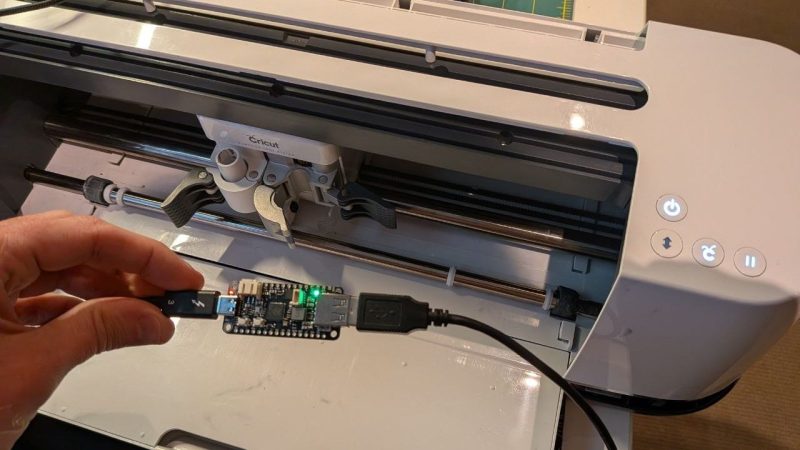
[xssfox] recently found a Cricut Maker in an e-waste disposal. A quick scan over the device indicated it was in moderately good condition, with merely some perished rollers to contend with. The device was salvaged, with the awareness that Cricut is plenty good at disabling and locking down machines when it wishes. However, those measures didn’t stop [xssfox] from bringing it back to life.
The suspicion was that the machine had been locked out after the original owner received a warranty replacement or similar. Whatever the reason, the rollers would have to be repaired and the machine unlocked if it were ever to cut (Cricut?) again. Hooking the machine up to Cricut software showed that it was “deactivated”, so there was work to do.
The rollers were not a difficult replacement, but the hacking would take a little work. Examining the motherboard didn’t reveal any obvious EEPROMs, and the microcontroller was not one [xssfox] had the debugger to work with. Thus, attention turned to intercepting communications between the machine and the host PC over USB. This revealed the machine sending its serial number to the Cricut PC software in plain text with no checksums or encryption at all. Unlocking the machine was as easy as installing an RP2040 in between the Cricut Maker and the host PC. It was programmed to relay packets between the two and spoof the serial number in the process.
[xssfox] suspects a software-only solution may be possible, too, though hasn’t implemented one yet. We’ve featured her work before, too, like her efforts to spoof emergency traffic light preemption signals.
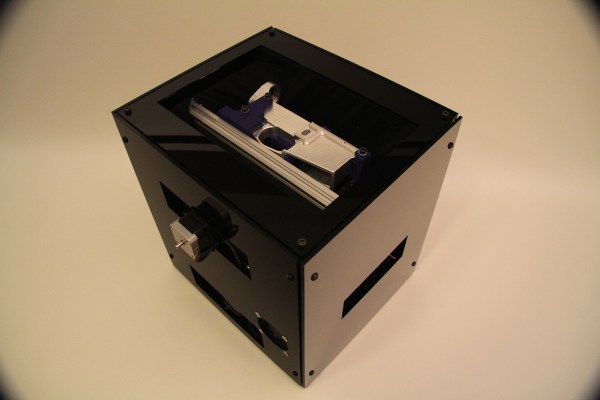
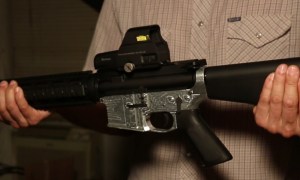 Anyone can legally buy a barrel, trigger, stock, upper receiver, and various other parts to build an AR-15. To complete the weapon, they only need to buy an 80% lower receiver and perform the last 20% of the metal work. This work can be performed with everything from a drill press to a milling machine to hand tools. Ghost Gunner partially automates this process, making it easier and faster to complete lower receivers and build weapons.







