
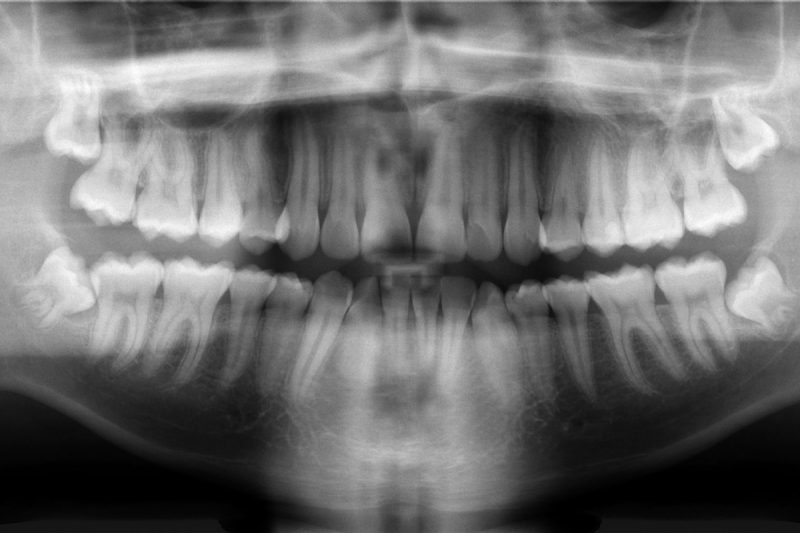
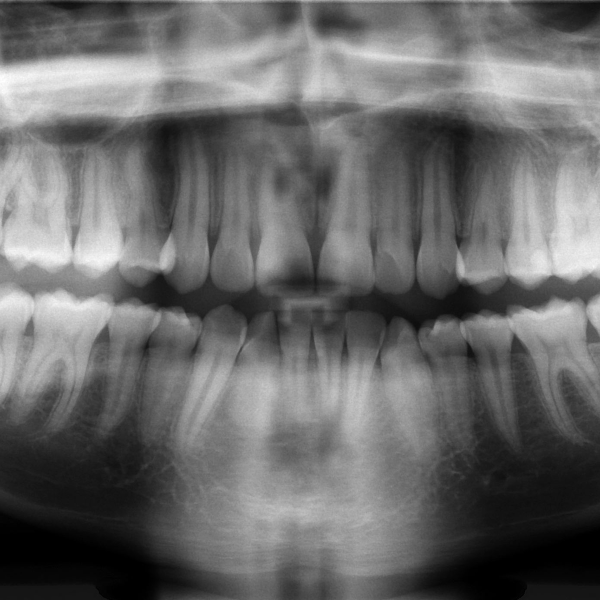
The human body is remarkably good at handling repairs. Cut the skin, and the blood will clot over the wound and the healing process begins. Break a bone, and the body will knit it back together as long as you keep it still enough. But teeth? Our adult teeth get damaged all the time, and yet the body has almost no way to repair them at all. Get a bad enough cavity or knock one out, and it’s game over. There’s nothing to be done but replace it.
Finding a way to repair teeth without invasive procedures has long been a holy grail for dental science. A new treatment being developed in Japan could help replace missing teeth in the near future.
The Tooth
In the course of normal development, humans grow a set of baby teeth, followed by a set of adult or “permanent” teeth. Conventional wisdom tells us that this second set is all we get, and that we should properly care for them if we hope to hang on to them for life. Physical injury can knock them out, and a lack of dental hygiene can see them badly damaged to the point where they have to be removed. Thus, there are plenty of incentives to take care of one’s teeth, given that there is little to be done beyond replacing them with clumsy dentures if they fail us.
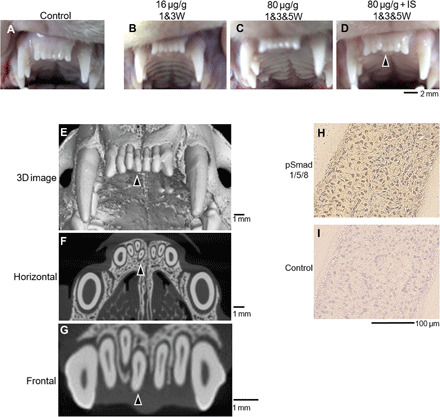
Researchers in Japan may have figured out a workaround, however. A gene called uterine sensitization–associated gene-1 (USAG-1) was identified to play a role in stopping the growth of teeth in small mammals like mice and ferrets. In turn, it was determined that by inhibiting the interaction between proteins generated by USAG-1 and bone morphgenetic protein (BMP) molecules, it was possible to make dental growth resume. The perceived link is relatively simple—suppress USAG-1, and kickstart the tooth generation process. The hope is that using an antibody to do this would then lead to the spontaneous development of healthy adult teeth.
Research suggests that humans may have an extra set of teeth “buds” lurking in the jaw that normally lay dormant; it could be as simple as activating them to produce new teeth as needed. Thus, the concept is sometimes referred to as growing “the third tooth”—in that a regenerated tooth would be the third tooth after the original baby and adult teeth. Particularly as human lifespans grow longer, the ability to produce a third set of teeth becomes more valuable. However, the technique won’t just be useful for people that break a tooth or lose one to excessive acid wear or associated damage. Indeed, an early focus of the work is to help individuals with conditions like congenital anodontia, wherein a patient never grew a full set of mature permanent teeth. The aim is that the treatment could stimulate the growth of strong, adult-grade teeth to improve the quality of life for those with the condition.
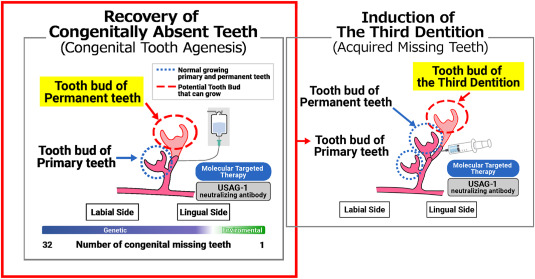
With early stage trials in mice completed some time ago, the treatment remains in early stage clinical trials for humans. An initial trial tested the treatment on adult males from 30 to 64 years old who were missing at least one tooth. This was with the hope that if growth did occur, it would ideally be limited to the missing slot, rather than causing new growth in areas that would push out existing healthy teeth. The next stage of trials will involve young children from ages 2 to 7 who are missing at least four teeth, to test the treatment on those with a congenital tooth deficiency. It’s likely that testing will also aim to determine just how USAG-1 suppression influences tooth regrowth. Ideally, it would only occur in specific areas where teeth were missing. It would be a great disaster if the treatment led to widespread tooth regrowth, which could cause crowding issues or loss of healthy teeth.
Right now, taking a pill or injection to regrow entire teeth seems like science fiction. However, if it does turn out that merely supressing some proteins is enough to get the body’s own tooth factory rolling again, it could be a game changer. There’s hope yet for all, except perhaps those that make their business in selling dentures.








Love this. Just hope the dental lobby will not bury this too, like every lobby gets rid of any useful finding, that could solve a problem permanently, removing their monthly subscription from people.
Dental Lobby isn’t the problem. The pipeline towards getting it all working and approved.
dentistry is still the only medical field that can get stuff done in lieu of the affordable care act. its the only place where you can get diagnosed and have work done on the same day. how it survived the bureaucratic hellscape should be emulated by all the other medical professions.
Really? Cardiac arrest? We’ll get to it next Wednesday after the paperwork is complete?
I love the advancements in dentistry that I’ve noticed over the years. However, taking a pill to magically grow a new tooth in my head sounds dangerous. Unintended side effects could be horrific. So I doubt that tech like this will become realistic for at least another 50 years. I don’t want a third eyeball to pop out of my forehead! ::pop::
Then don’t take one.
Most Dentist work for themselves and not a corporate overlord & insurance is cheap because an Orthodontist / oral surgeon does all of the “risky” work that makes insurance so expensive.
I vaguely recall promising results using ultrasound on the jaw, I think the idea was stem cells are everywhere but dont develop new teeth because contextual clues lock their development? Not sure what happened there.
There was also a recent article about trialing keratin to regrow enamel
All wild stuff, hope something gets to market
I’ll avoid going to the dentist until the pain makes me. That was my motto as a child, that’s still my motto as an adult
The pretty dentist lady may dull the pain but it’s pain nonetheless