
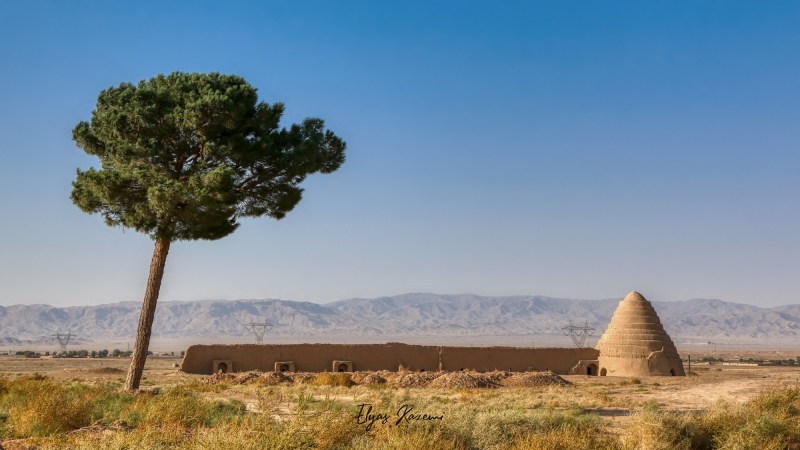
Today, we take ice for granted. But having ice produced in your home is a relatively modern luxury. As early as 1750 BC, ancient people would find ice on mountains or in cold areas and would harvest it. They’d store it, often underground, with as much insulation as they could produce given their level of technology.
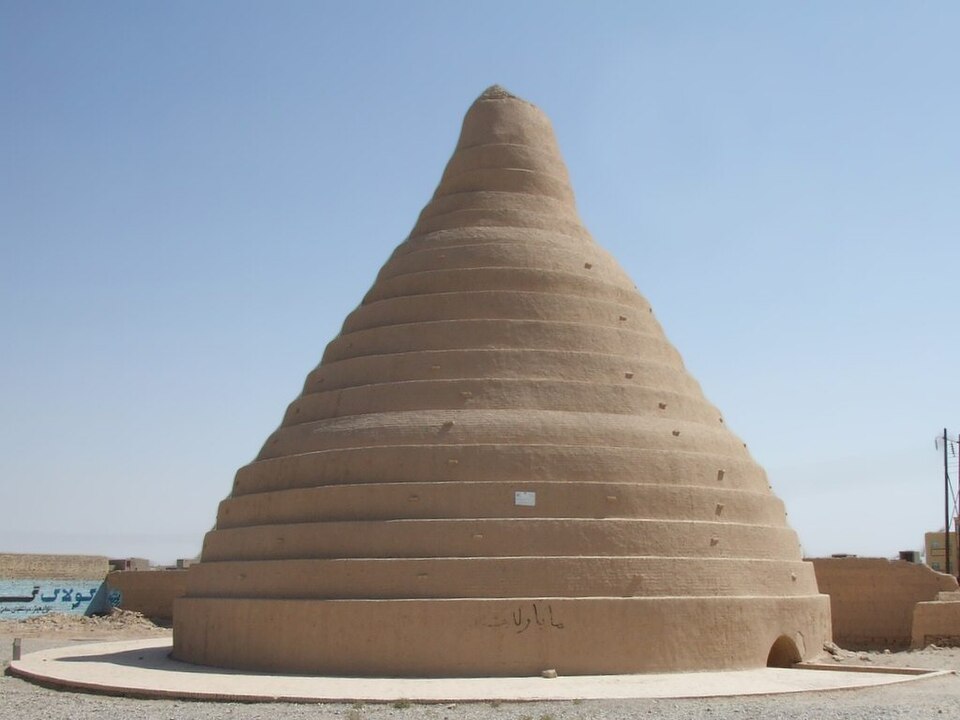
The key to Persian icemaking was yakhchāls. Not all of them were the same, but they typically consisted of an underground pit with a conical chimney structure. In addition, they often had shade walls and ice pits as well as access to a water supply.
Solar Chimney
The conical shape optimizes the solar chimney effect, where the sun heats air, which then rises. The top was typically not open, although there is some thought that translucent marble may have plugged the top to admit light while blocking airflow. yakhchālThe solar chimney produces an updraft that tends to cool the interior. The underground portion of the yakhchāl has colder air, as any hot air rises above the surface.









