
If you’re an old-schooler, you might still go to the local bar and pay for a beer with cash. You could even try and pay with a cheque, though the pen-and-paper method has mostly fallen out of favor these days. But if you’re a little more modern, you might use a tap-to-pay feature on a credit or debit card.
In Taiwan, though, there’s another unique way to pay. The island nation has a whole ecosystem of bespoke payment cards, and you can even get one that looks like a floppy disk!
It’s Not About The Money, Money, Money

Like so many other countries with highly-developed public transport systems, Taiwan implemented a smartcard ticketing system many years ago. Back in December 2007, it launched iPASS (一卡通), initially for use by riders on the Kaohsiung Metro system which opened in March 2008. The cards were launched using MIFARE technology, as seen in a wide range of contactless smart card systems in other public transport networks around the world.
The system was only ever supposed to be used to pay fares on public transport using the pre-paid balance on the card. Come 2014, however, management of the cards was passed to the iPASS Corporation. The new organization quickly established the card’s use as a widespread form of payment at a huge variety of stores across Taiwan. The earliest adopters were OK MART, SUNFAR 3C, and a handful of malls and department stores. Soon enough, partnerships with FamilyMart and Hi-Life convenience stores followed, and the use of the card quickly spread from there.
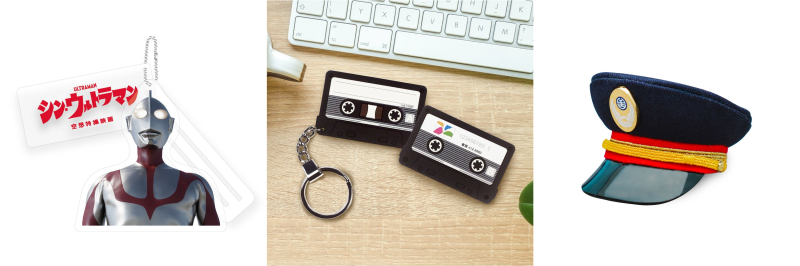
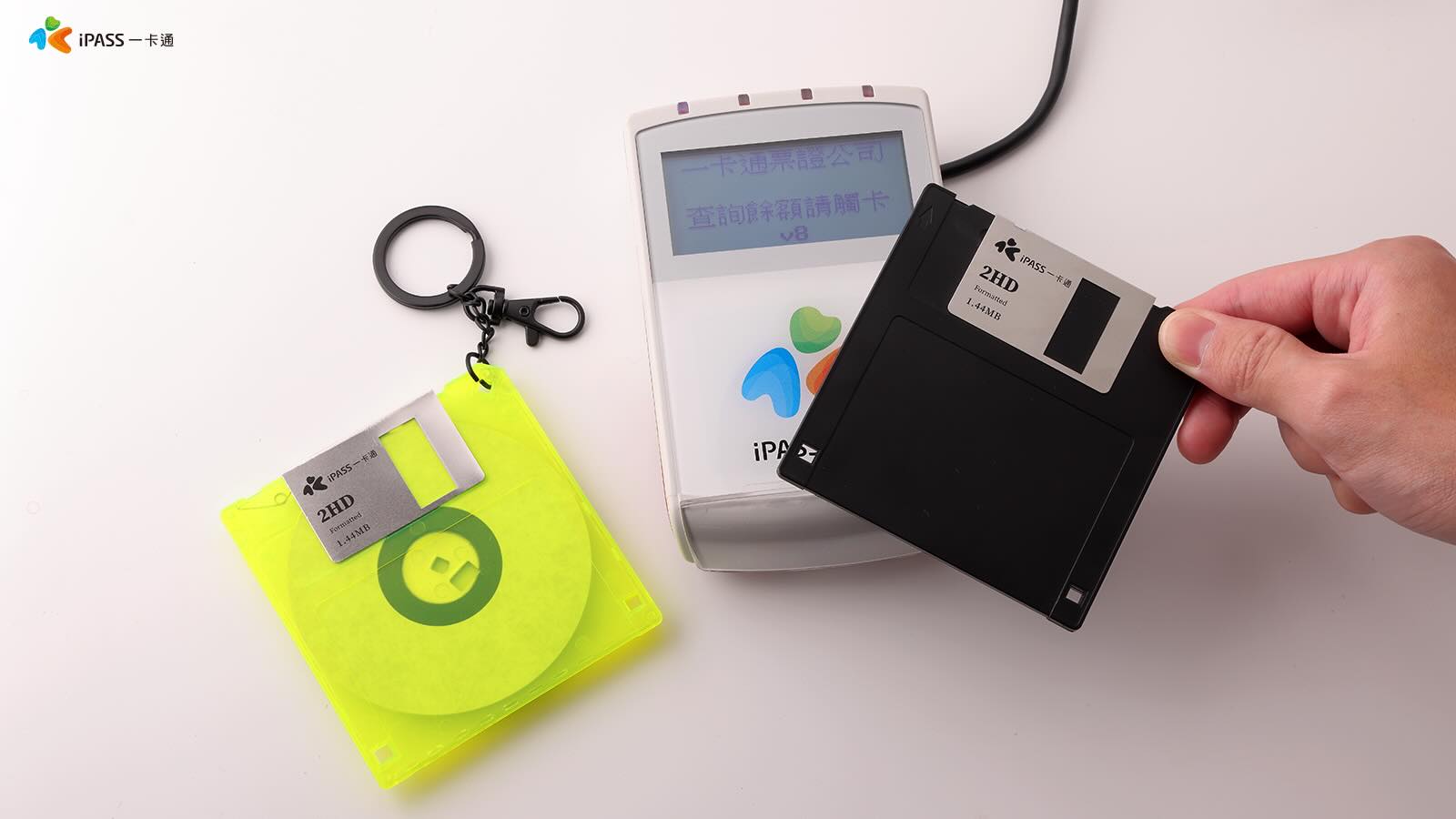
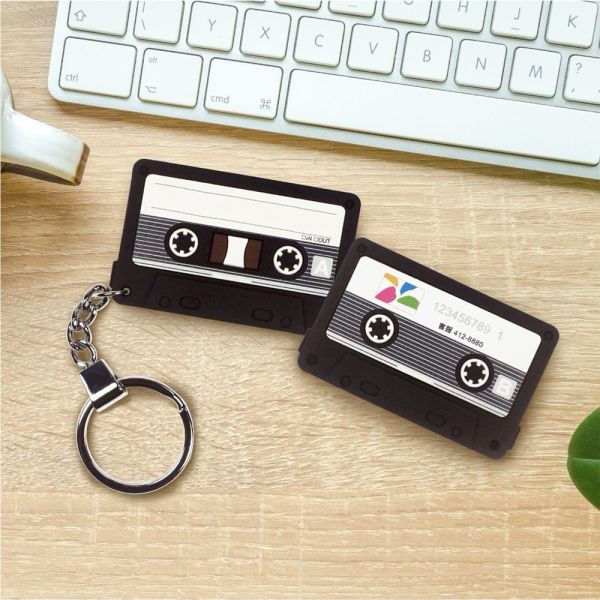
As iPASS cards continued to gain in popularity, companies started lining up to produce co-branded cards. Many came with special deals at select retailers. For example, NPC issued an iPASS card that offered cheaper prices on gasoline at affiliated gas stations. Furthermore, no longer did your iPASS have to be a rigid, rectangular plastic card. You can buy a normal one if you like, but you can also get an iPASS built into prayer beads, laced into a leather bracelet, or even baked into a faux floppy disk. The latter specifically notes that it’s not a real disk, of course; it only has iPASS functionality and will not work if you put it in a floppy drive. It is, however, a startlingly good recreation, with the proper holes cut out for write protect and density and a real metal sheath. On the translucent yellow version, you can even see what appears to be the fabric inside that would be used to protect the spinning magnetic platter.
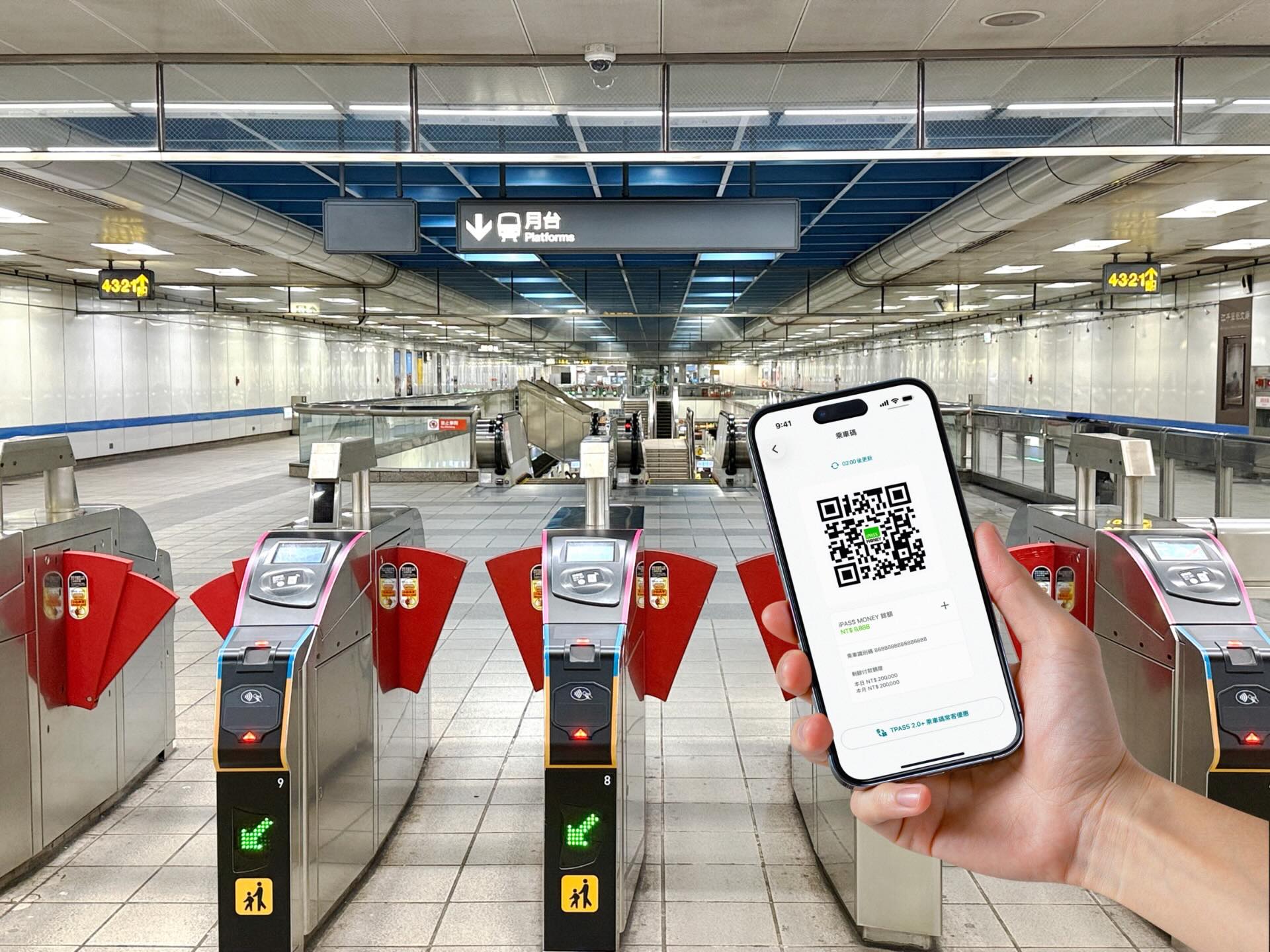
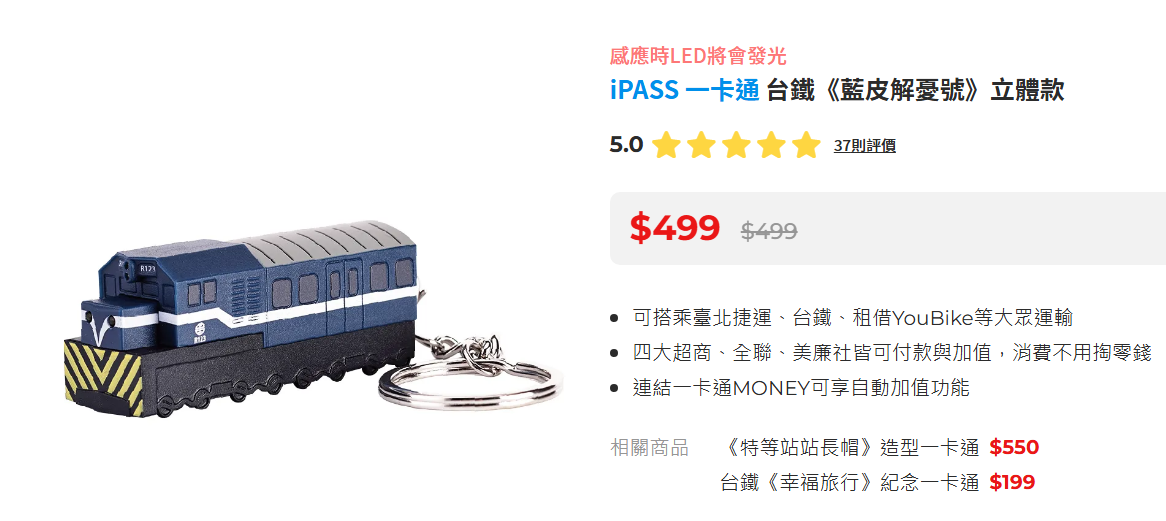
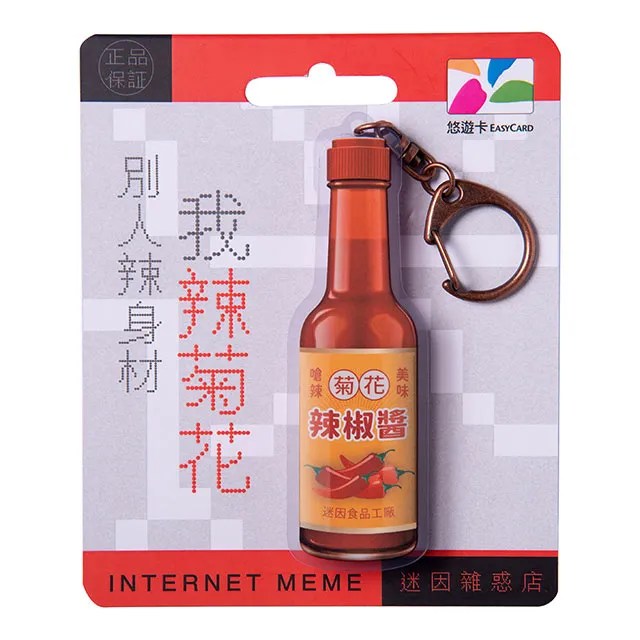
Other novelty iPASS “cards” include a keychain-sized Taiwan Railways train and a Japanese shinkansen. Where a regular iPASS card costs NT$100 or so, a novelty version like the floppy disk or train costs more like NT$500-$600. That might sound like a lot, but in the latter case, you’re only talking about $15 USD or so. If so desired, though, you don’t need to carry a card or keychain, or floppy disk at all. It’s possible to use an iPASS with contactless smartphone and smartwatch wallets like Google Wallet and Garmin Pay.
iPASS Cards are typically sold empty with no value, and must have money transferred to the card prior to use. Notably, the money stored on the cards is backed by the Union Bank of Taiwan. This provides a certain level of peace of mind. Even if it wasn’t there, though, there isn’t so much to lose if things do go wrong—as any individual card is limited to storing a maximum of NT$10,000 (~$320 USD).
Similar Taiwanese pre-paid payment cards exist, too. EasyCard has been around since 2002, initially established by the Taipei Smart Card Corporation for use on the Taipei Metro. It similarly offers novelty versions of its cards, and these days, it can be used on most public transport in Taiwan and at a range of convenience stores. Like the iPASS, it’s limited to storing up to NT$10,000, with balances backed by the Cathay United Bank. 7-Eleven has also joined the fray with its iCash cards, which are available in some very cute novelty styles. However, where there are tens of millions of users across EasyCard and iPASS, iCash has not had the same level of market penetration.
Generally, most of us get by using payment cards linked directly to our main banking accounts. However, if you happen to find yourself in Taiwan, you might find the iPASS to be a very useful tool indeed. You can load it once with a bunch of money, and then run around on buses and trains while buying yourself snacks and beverages all over town. Plus, if you buy the floppy disk one, you’ll have an awesome souvenir to bring back with you, and you can entertain all your payment-card-obsessed friends with tales of your adventures. All in all, the banking heavyweights of the world would do well to learn from the whimsical example of the iPASS Corporation.








But it’s incredibly useful that all payment cards are the same size (wallet partitions etc)!
It would be nice if that size was about half the current size though.
I don’t know – for that day to day transport, coffee shop type spending having your bulkier but easy to find in the pocket quickly keychain style payment card is probably more useful. Certainly wouldn’t want all your cards to be that way, the real money management with all your different accounts, buyer protection offered with a credit card, the work supplied card etc you want that more regularly shaped easy to carry many of them, but when you are out and about and need to buy the train ticket or sandwich do you really want to have to read through the pile of cards to find the right one!
Tap and Pay from a cell phone.