
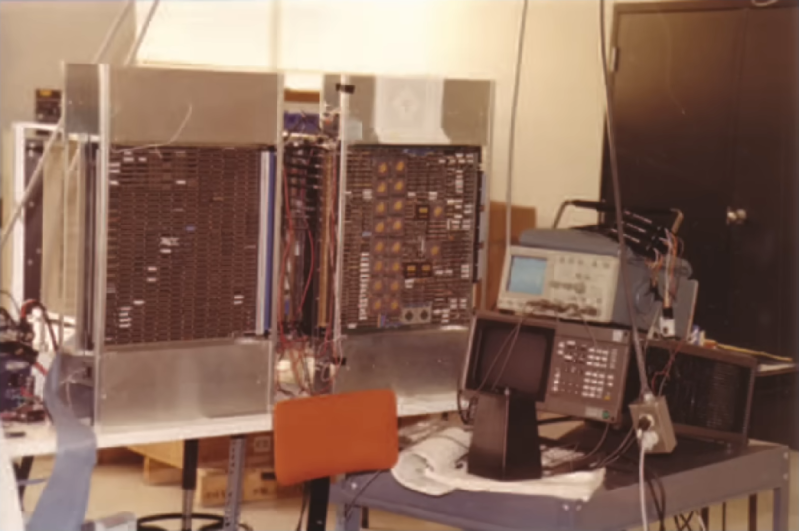
A computer does one thing at a time, even if it feels like it’s doing multiple things at once. In reality, it’s just switching between tasks very quickly. But a VLIW (Very Long Instruction Word) computer is different. Today, [Asianometry] tells us about VLIW computing and its history.
Processors have multiple functional units; for example, you might have separate units each for addition, multiplication and division. But because it runs one instruction at a time, these units tend to spend a large amount of time idle. VLIW aims to address this inefficiency by reinventing what an instruction means. Instead of telling the whole processor what to do, a VLIW instruction tells each functional unit what to do at once. Sounds good, right? Well, that was the easy part.
The hard part? How to compile a program for a VLIW computer, that can actually make use of all the functional units at once; after all, the efficiency promise is that the higher activity makes up for larger instruction words to fetch. That is the compiler’s job; VLIW compilers try to reschedule the operations in the program to convert sequential code into more parallel operations then compiled into the titular very long instruction words.
[Asianometry] goes into detail about this, the history, and more in the video after the break.
P.S.: For the sake of the video and article, we’re ignoring the existence of modern concept of out-of-order CPUs; they did not exist in the time period which [Asianometry] is talking about.












Please be kind and respectful to help make the comments section excellent. (Comment Policy)