
It’s been a while since we had a voting machine hack, but this video that [Marcel van der Peijl] sent in not only reminds me of Real Genius, but makes a great point. Maybe one of these voting machine companies will wake up, bring some decent designs to a hacking con and get things right. These guys popped apart a machine and fully swapped the roms in 60 seconds. How’s that for stealing a vote?
Misc Hacks4182 Articles
Knock Response Automatic Door Opener
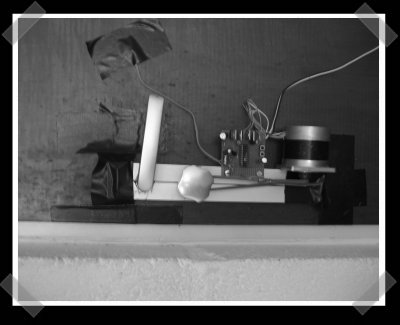
I’m at the beach this week – finally on vacation. Thanks to DD-WRT, I’ve got a handy wireless repeater to keep the beach house covered with network access. [sprite_tm]’s doing his best to make my vacation easier. He built this knock activated automatic door opener for a friend who wanted easy access to some locked, but empty flat (think british apartment) rooms. He used an ATTINY with some fets to drive the stepper (you can find those in old dot matrix printers for free) and a small transistor amped mic circuit to pick up the knocks. Knock the right code, and you’ll get let right in.
Wireless Lightbulb

[atrain] sent in this interesting wireless light bulb. It’s more of a wireless powered LED inside a lightbulb, but you get the idea. A RF signal is recieved by a coil inside the bulb – the AC signal is rectified and used by LEDs to create the light. All the technical details you need to build your own are here.
Steampunk LCD

CNC Solder Paste/pick N Place
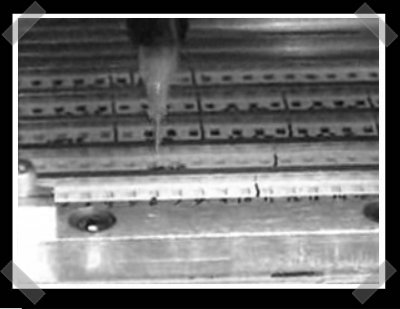
Just when I thought I’d seen most of the CNC mods out there, [Steve Ciciora] (who happens to be one of the driving forces behind the killacycle) sent in his diy solder paste dispenser *and* his diy pick and place machine. Both are extensions of his CNC taig mill. Hopefully [steve] will put up some more details of his mill mods.
Energy Efficient Cat Camera

[Juergen] sent in his catcam project built. He used an inexpensive 1.3mp keychain camera with an ATTINY2313. The controller keeps the camera shut down until it’s time to take a picture. Then it powers it up, takes the shot, and returns to low-power mode. The cat adventures are actually kind of interesting. It wouldn’t work from under the car, but anyone feel like gps tracking their cat?
1-wire Servo Controller
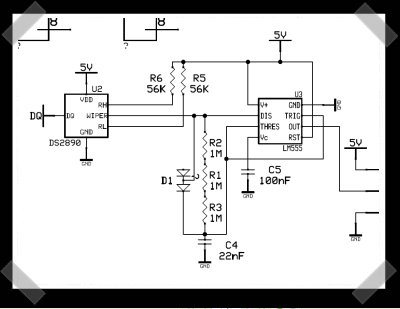
This is sort of a follow up to the diy A/C zone control post. It’s a pretty simple circuit, but now they’ve posted schematics for building your own 1-wire controlled servo actuators. It requires external power – so they’re supplying 15v via cat-5/RJ-45s. This isn’t limited to home automation, this could lead to some interesting 1-wire robotics projects.









