
Let’s face it; remembering a bunch of passwords is the pits, and it’s just getting worse as time goes on. These days, you really ought to have a securely-generated key-smash password for everything. And at that point you need a password manager, but you still have to remember the password for that.
Well, Motorola is sympathetic to this problem, or at least they were in 2013 when they came up with the password pill. Motorola Mobility, who were owned by Google at the time, debuted it at the All Things Digital D11 tech conference in California. This was a future that hasn’t come to pass, for better or worse, but it was a fun thought experiment in near-futurism.
Dancing with DARPA
Back then, such bleeding-edge research was headed by former DARPA chief Regina Dugan. At the conference, Dugan stated that she was “working to fix the mechanical mismatch between humans and electronics” by doing things such as partnering with companies that “make authentication more human”.
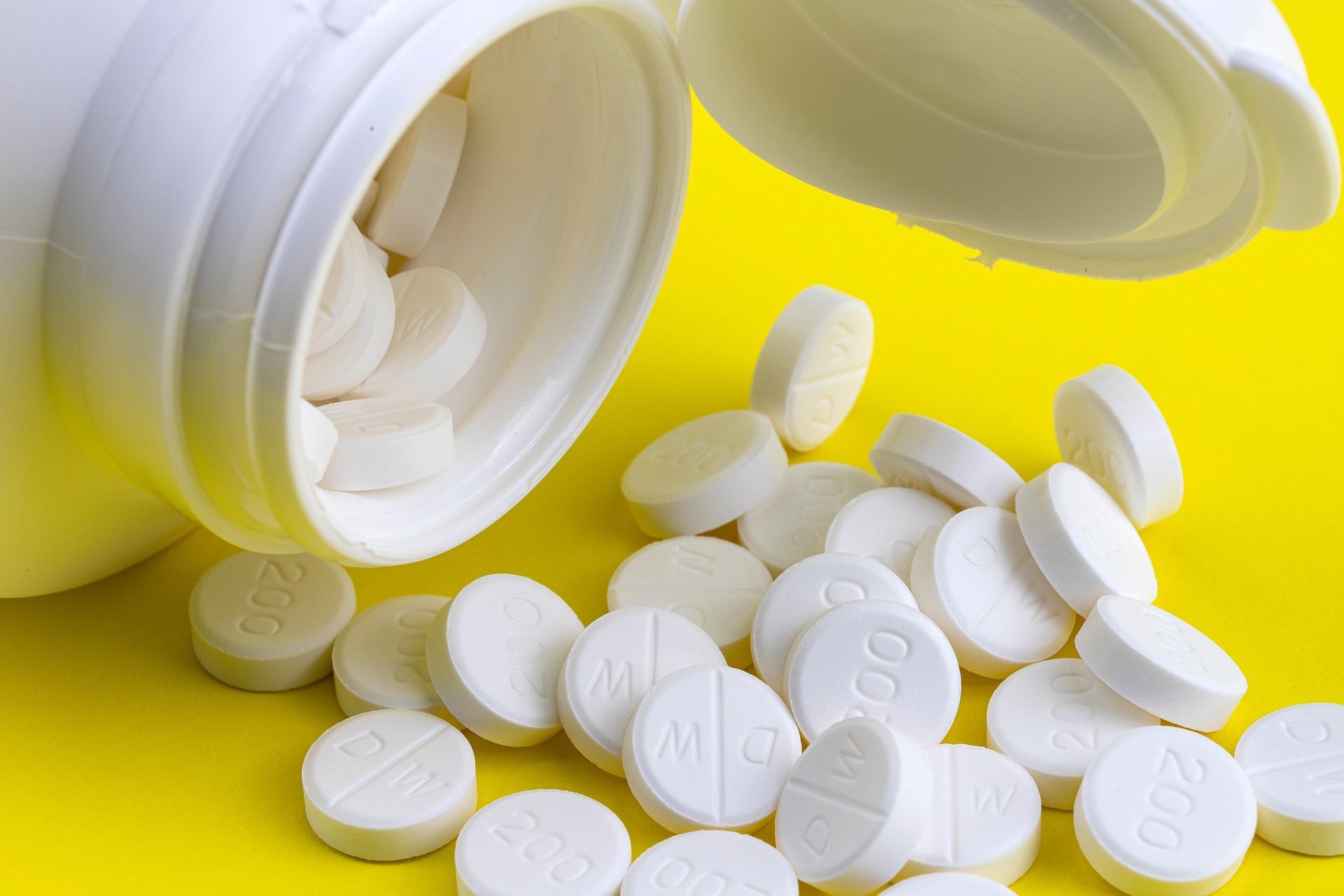
Along with Proteus Digital Health, Dugan et. al created a pill with a small chip inside of it and a switch. Once swallowed, your various stomach acids serve as the electrolyte. The acids power the chip, and the switch goes on and off, creating an 18-bit ECG-like signal.
Basically, your entire body becomes an authentication token. Unlock your phone, your car door handle, and turn on your computer, just by existing near them.
It should be noted that Proteus already had FDA clearance for a medical device consisting of an ingestible sensor. The idea behind those is that medical staff can track when a patient has taken a pill based on the radio signal. Dugan said at the conference that it would be medically safe to ingest up to thirty of these pills per day for the rest of your life. Oh yeah, and she says the only thing that the pill exposes about the taker is whether they took it or not.
Motorola head Dennis Woodside stated that they had demonstrated this authentication technology working and authenticating a phone. While Motorola never intended to ship this pill, it was based on the Proteus device with FDA clearance, presumably so they could test it safely.
The story of Proteus Digital Health is beyond us here, but for whatever reason, their smart pills never took off. So we’re left to speculate about the impact on society that this past future of popping password pills would have had.
About That Government Influence

While it sounds sorta cool at first, it also seems like something a government might choose to force on a person sooner or later. Someone they wanted to insert behind enemy lines, perhaps, or just create an inside job that otherwise wouldn’t have happened.
Taking off my tin foil hat for a moment, I’ll compare this pill with existing modern biometrics. A face scan, a fingerprint, or even my voice is my passport, verify me are all momentary actions.
With these, you’re more or less in control of when authentication happens. A pill, on the other hand, must run its course. You can’t change the signal mid-digestive cycle. Plus, you’d have to guard your pills with your life, and if a couple pills pass through you every day, you’d better have a big pillbox.
Authentication Can Be Skin Deep
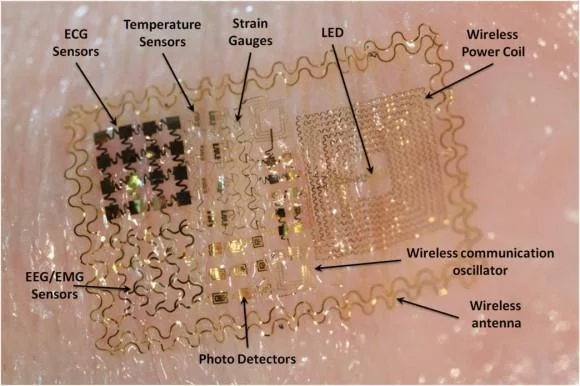
So the password pill never came to pass, but it’s worth mentioning that at the same conference, Dugan debuted another method of physical authentication — a temporary password tattoo they developed along with MC10, a company that makes stretchable circuits and has since been acquired by a company called Medidata.
More typically, their circuits are used to do things like concussion detection for sports, or baby thermometers that continuously track temperature.
Dugan said that the key MC10 technology is in the accordion-like structures connecting the islands of inflexible silicon. These structures can stretch up to 200% and still work just fine. The tattoos are waterproof, so go ahead and swim or shower. Of course, the password tattoo never came to be, either. And that’s just fine with me.












Suppose it’s better than a suppository.
God, I love that idea. Passwords are a royal pain in the ass, so why not make it more comfortable?
Well you can shove that idea…
Could someone come steal your password out of your septic system? Can I get one that maps my septic systtem? Can I get a sign that says “Please do NOT flush passwords down this toilet”
Most people in US have access to sewer system. You’re going to find a few hundred flushed passwords. Trying to figure which one is the right one would be a shitty job for the hacker.
For Supercon attendants, its just another SAO
The CIA were fishing in certain Russian sewers during the cold war as the Russians were using their old documents as TP due to shortages – the lengths both sides were going to were stranger than fiction.
Hacking has always been dirty business
Walking around all day long broadcasting your unlock signal, all an attacker would need to do is just stand near you with a recorder.
Yep. I am curious what legitimate use cases the parent technology was supposed to have. The only thing I could think of is catching people taking medicines they weren’t supposed to? Or I guess gauranteeing someone took a medicine?
There is a big issue with patients either refusing or pretending to take medication for psych hospitals, so just verifying that it has actually been taken would a be a useful feature, also at least here in the UK there is a slightly less restrictive form of treatment called “community treatment orders’, where patients basically have to agree to be supervised to take their meds, and of they don’t comply they can be “sectioned” (I think you would usually say “committed” in the US) to a psych hospital, so a quick scan to check they have taken the tablets would be less of a restriction on their day, and potentially less time spent on each visit for community nurses.
Whether any of that would justify the cost, or e-waste, of those pills is hard to say though
I’d like to point out, at least in the US, the patients legally required to take medications are those that are guilty of violent or sexual offenses and have court orders to do so, not the vast majority of mentally ill patients, although patients generally not taking their meds is a huge problem in itself. The number one reason for re-hospitalization of patients is when they have ceased taking the meds that were prescribed.
Aww, I want Jolly Roger ink for authentication!
For the pills, wouldn’t they be a security problem after exiting the body? There would be plenty of DNA nearby to identify who the pill went through too.
consider getting chipped. I did it a month ago, I got the Next series from dangerous things, and ive been pretty happy about it, it took 2 ish weeks for me to no longer notice it but the potential it offers has been pretty fun to play with and implement, the nfc side is kinda meh since their is a fair bit of polarization that plays into getting a good read but the rfid side works really well. i can already unlock my bedside gun safe with it and my garage is set up for ubiqiti access control and it works pretty ok with that, still shopping around for a nice stealth reader to integrate for windows authentication but so far ive been living the dream. the reprogrammable nfc presents some fun opportunities as I can store multiple entries in its record so ill probably start carrying ssh keys, its pretty fun, hopefully the IT guy at work will enroll my implant for their UI access credentials :)
Does your hand need to be attached to you for the RFID to work?
thats why I have the gun lol
“the password pill never came to pass”
I see what you did there…even if you didn’t mean to.
Do an EMP zapping on the toilet contents before your flush. Combo flush and nuke toilet bowls.
The good thing is the person doesn’t have to be alive and you don’t even need the whole person.
In India pensions can be authenticated with a thumbprint because so many people can’t read. There was a case where an old person had died, and a relative cut their thumb off, embalmed it, and took it to the benefits office to continue claiming their pension.
You don’t need any part of the person. You need to steal or switch the pills and eat them yourself.
“Dammit the system is down!! Get up and fix it!!”
“I can’t log in! I ate at a salad bar last night and now I am pooping in liters! The password is gone!”