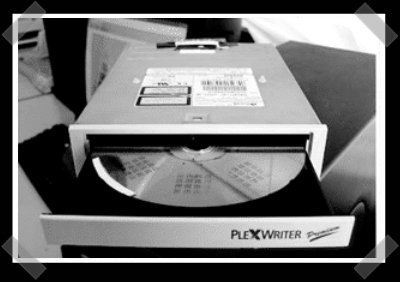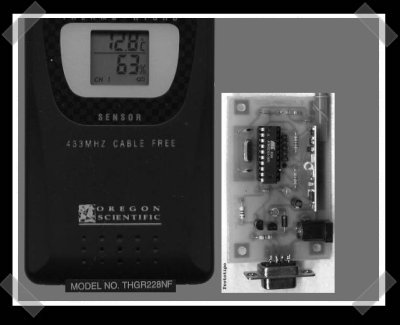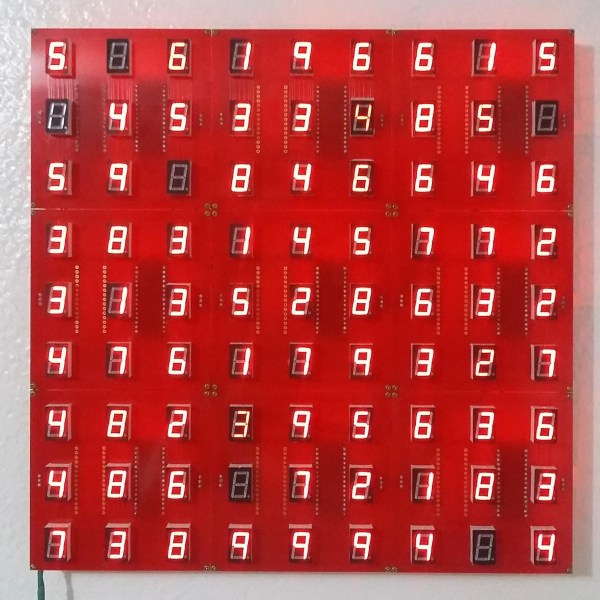
[Skylark] converted a pair of defective HDTV processing boards into his very own FPGA SHA-1 hash cracker. After two months of evening work, he ended up with 15 Virtex-II Pro FPGAs and 5 Spartan-II FPGAs to do his bidding. (FPGA’s aren’t cheap, so this rocks) Eventually he’s going to give it a web interface to allow cracking submissions on request. Great find on the boards and fantastic work [Skylark].
Misc Hacks4181 Articles
UClinux Based Embedded Asterix PBX

In my quest for a new VOIP setup (I’m hunting for a new sip provider – got suggestions?) I ran across an excellent project that’s been put together by [David]. It’s a four port open source asterix PBX that runs under UClinux. He derived the design from a BlackfinOne (A dedicated UClinux board). He covers building the IPO4 in four parts series that starts here. It’s probably one of the more intense open source hardware derived projects I’ve run across.
GSM Alarm

Fresh from the tips line, [Pedro] sent in his GSM alarm. He combined a GSM phone, a motion sensor and BasicX24 controller board. If the detector trips during a set time period, the alarm sends SMS messages to the terminator, er whoever you want. He was kind enough to release the code, but I’d like to see this with a smaller micro-controller board to keep the cost/size down.
ATLAS Powered Rope Ascender Gen 3

This last weekend we got a chance to check out ATLAS Devices‘ latest version of their powered rope ascender. You probably saw their first generation device in the news earlier in the year. It was originally built for a design competition, but they’re now on generation 3. The earliest version used a capstan style winder, but newer versions have a far more simple/elegant design. The original had a ton of thrust and needle bearings that were hard to keep in adjustment. The new design is lighter, less abrasive to the rope, and easier to use.
Free Your IPhone

I wasn’t going to post this – it’s a freakin phone after all. But I’ve gotten quite a few tips on it, and I’d like them to end. [George] made a concerted effort to hack the iPhone – and it paid off. After his crazy ebay auction that topped out at 99,999,999.99 last time I checked, he ended up trading his first phone for a Nissan 350z and a few more iPhones.
He documented his process, step by step – if you’ve got the skills, you can probably do it yourself. The soldering work is damn fine work – probably the hardest thing there is. The write up is a little hard to follow, so plan on taking some time to comprehend everything. (Blogging software isn’t the best way to organize how-tos, trust me on this.) My hats off to [George], he did some great work. – So, why didn’t I want to post it? All this work yielded one thing: carrier choice for the iPhone.
Punch Your Alarm Clock

This is probably the most entertaining “application note” I’ve ever seen. These things are usually a bit dry, ok, they make your eyes turn to a previously unknown state of matter. This one involves making your alarm clock snooze when you beat it. The trick? Wire an accelerometer to the snooze button. It takes a bit of supporting circuitry, but looks do-able for anyone worth of their soldering iron. Thanks to [Andy] for sending it in.
Hey, we have a tips line. Send in your hacks!
Pervasive Health Monitor (Got Granny?)

[Reza] sent in a project that he’s obviously put loads of work into. His Pervasive Health Monitor is basically a bluetooth enabled health telemetry recorder/transmitter. I think it’s an absolutely excellent piece of work. He’s offered to post more technical details if we have enough interest – It’s got my vote.
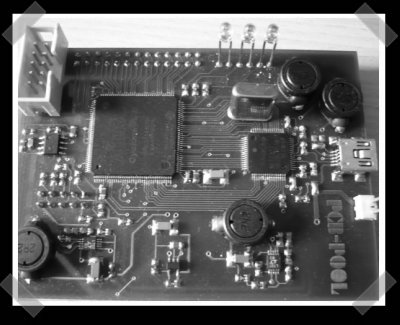
The video (after the break) starts off a bit dry, but trust me – it’s worth checking out. The monitor sports a TI MCU, bluetooth chipset, flash socket, multiple signal amps and onboard audio amplification. The PocketPC is showing the real time data stream being delivered via bluetooth.