
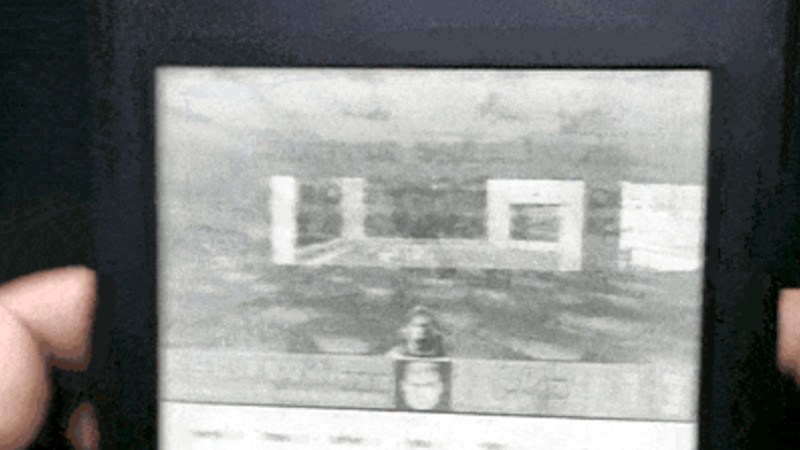
As computing power becomes cheaper and microprocessors become more capable, a steady trend over recent decades has been to see more everyday devices hiding Linux under the hood somewhere. Sadly in most cases that’s where it stays, but some such machines have a level of hackability. One such is the 7th generation Kindle PaperWhite 3, for which [pragyaangaur] has produced a distro that gives it the Alpine Linux userspace and a few other tricks.
As you might expect, the Kindle must be jailbroken, and is limited to the rather ancient Amazon kernel. The distro comes with a few extras for the custom front end. There’s a selection of games, a browser, an ArXiv search client, an ePub reader, and Quill, a local chatbot running SmolLM2 over llama.cpp on the Kindle’s own processor. At 1.7 words per second it may not be the fastest, but the important thing is that everything stays on the device. Best of all, it’s easy enough to return your Kindle to stock should you tire of the distro.
A quick look at everyone’s favourite auction site finds these readers available for well under $100, so should you wish to join the fun it at least shouldn’t cost an arm and a leg. Meanwhile, Kindle hacking is somewhere we’ve taken you before.












Interestingly, it doesn’t appear to be based on the alpine chroot for kindles from a few years back
I just checked the actual SoC of the Paperwhite 3, and it’s indeed imx6 SoloLite (I knew that lots of e-readers use the excellent imx6, but wasn’t sure for this specific model).
The imx6 is one of the best documented SoC on the market. All the documentation is freely available without signing an NDA. There are lots of developers working on u-boot, buildroot & yocto projects and doing great job supporting the imx6 platform.
Regarding the Paperwhite 3 jailbreaking options – unless the chip is HAB (High Assurance Boot) locked, you can run anything on it (even if the boot-config fuses are burned, you can disturb the DATA line on the SPI boot flash with a 50-100 ohms to GND and thus force the SoC into recovery). Also, absolutely all the code there is reversable, including the boot configuration and DDR initialization.
Personal disclosure: I’ve worked in the past on automotive and consumer multimedia projects with imx6, and was a yocto maintainer for a short while.
Regards.