

It’s an exciting time to be a camera hacker, because we are at a moment when even cheap camera hardware is starting to have high resolution sensors, and the awesome camera phones of a few years ago are now in people’s junkboxes. Lens swapping has been a feature of the art for a while now, usually taking the form of a C-mount add-on. So with a bit of 3D printing and glue, you can now make something more interesting from an AliExpress purchase or that old phone. These cameras have all the resolution and sharpness that the sensor can deliver assuming that their software isn’t too awful, but there’s a persistent problem . The photographs invariably have a pinkish tint, as reported in a recent Hackaday-featured project, just to name one. The original lens doesn’t have this problem, so what’s up?
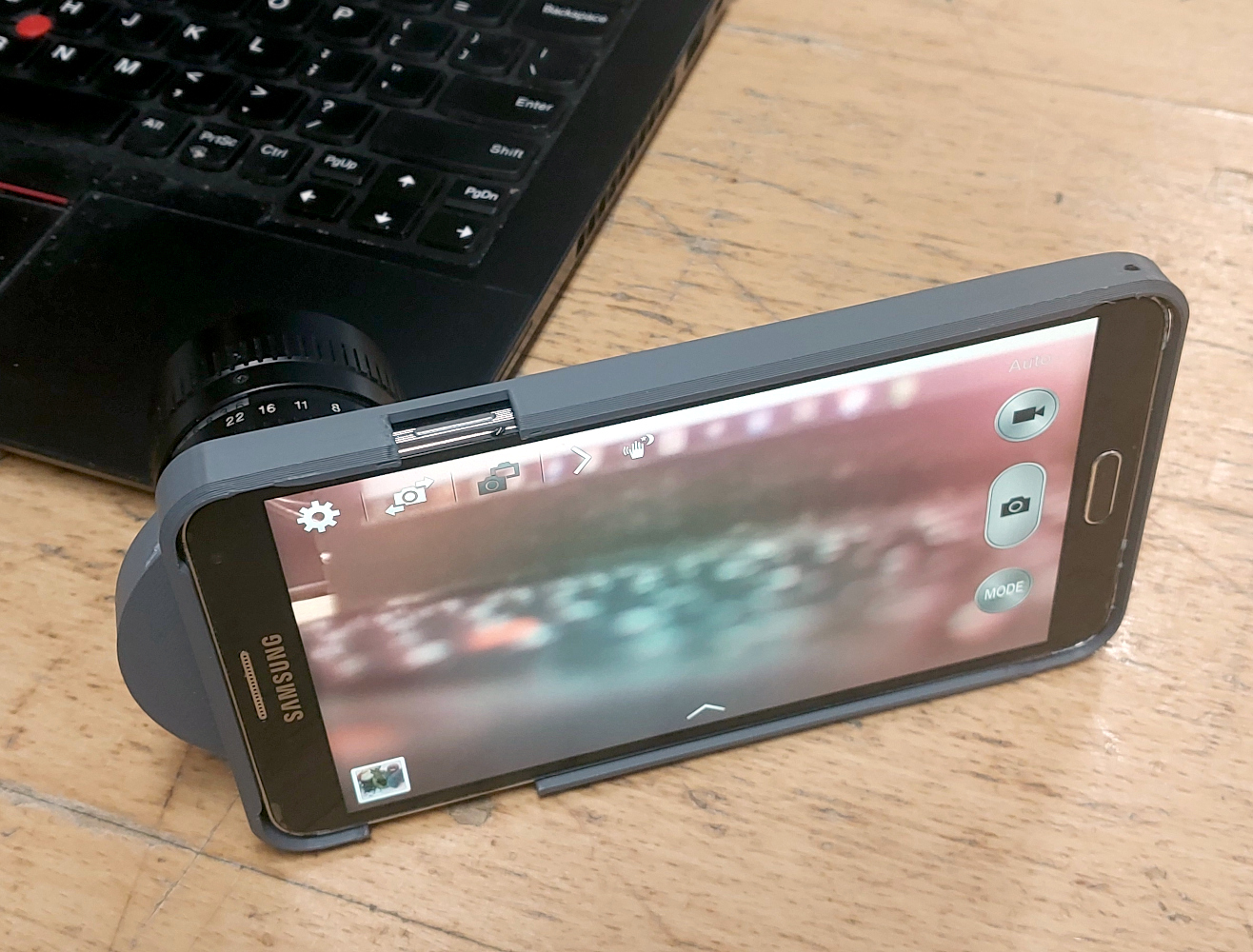
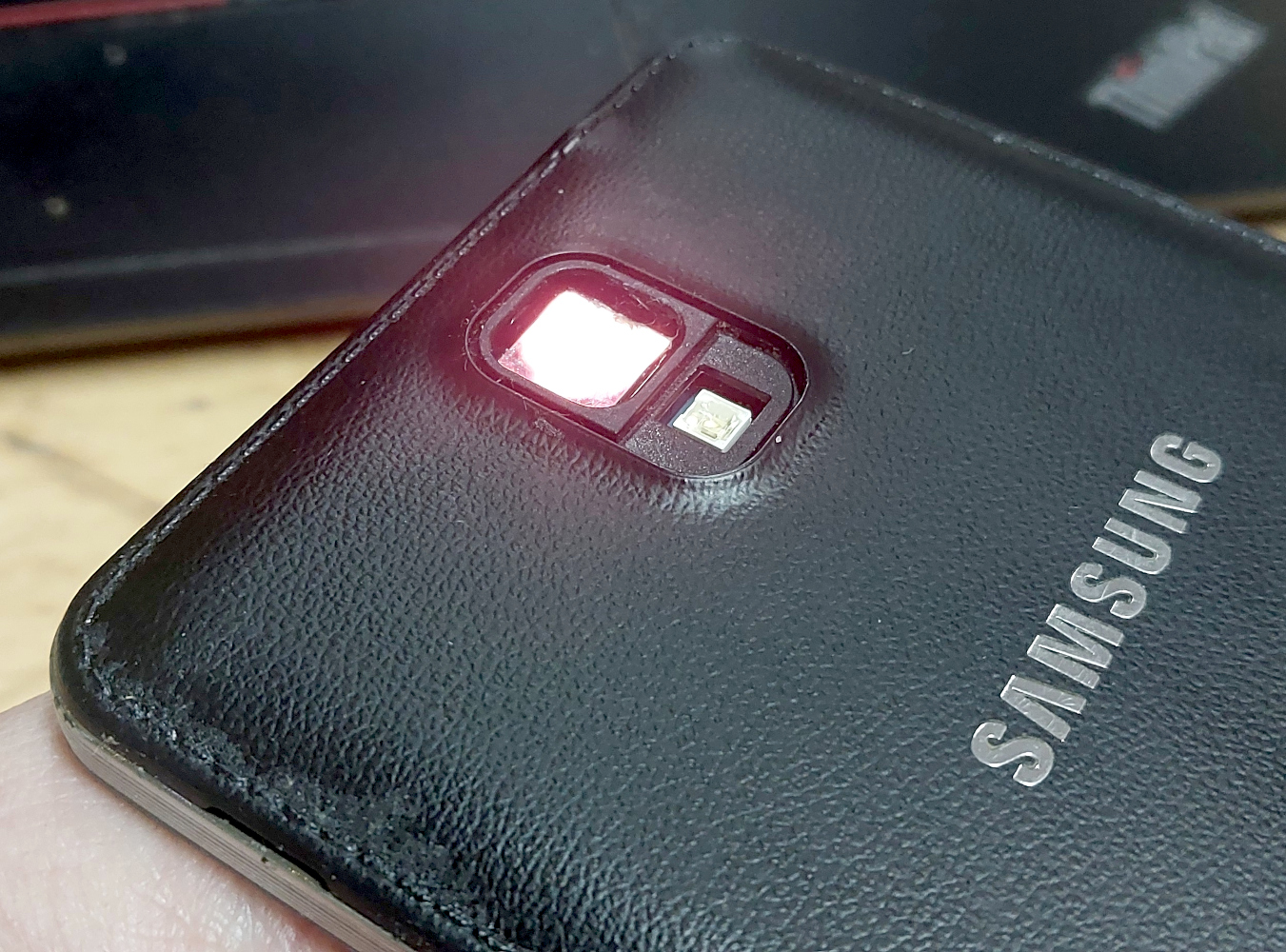
Of course, the more astute readers are immediately thinking about IR filters. I did too, when one of my on-and-off projects had the pink tint. It’s a Samsung Galaxy Tab 3, an ancient Android 5 phone with a rather useless and gimmicky stylus, and a rather nice camera sensor. I bought a replacement camera module for it on AliExpress so I’d have something to experiment with, removed its lens assembly, and had a phone with a bare sensor peeking from the back of it. A 3D printed adjustable lens mount assembly that I’ll eventually clean up and release so any phone can have the same modification followed.
Faced with the dreaded pink when I started taking pictures, I ineptly glued an IR filter to the back of it, and awaited my perfect shots. Sadly they never came, so rather than admit defeat, I’m hoping one of you lot can help. Are any Hackaday readers in the optics business and can tell me what’s up?
At the top of this page you’ll see a picture of some plush animals in a hackerspace. It was taken under LED room lighting with the modified Galaxy Tab 3 and a decent quality Fuji C-mount lens, not a cheap security camera item. It’s hand focused as best as I could make it, but that’s not the problem with this image. Immediately you can see the pink cast, in the same way as all those other people’s projects, stronger at the edges and mostly not there in the middle.
I have an IR filter in place, so the obvious question becomes, is it a poor quality filter that’s still letting IR through, or is the pink tint from another source? If it’s from another source, is it something in the lens? Does the stock lens have some special magic?
Given that this lens is designed to be used with 8mm film and vacuum-tube TV cameras, I know it doesn’t impart a pink cast on its own, there’s no red shift at the edges from dodgy optics. It’s even easy enough to fix in software via white balance, but that’s not the point. There’s something wrong with this camera, and even though the whole project has only cost me a few quid, I’d like to know what it is. Are you the Hackaday-reading optical specialist who can help me and all those other camera hackers? The comments await your wisdom.












Please be kind and respectful to help make the comments section excellent. (Comment Policy)