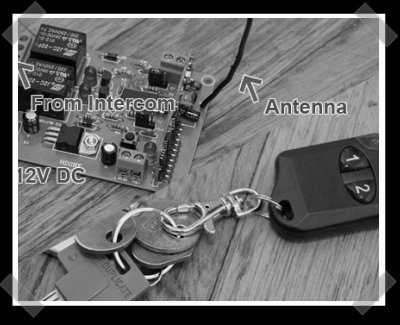
[Ryan] sent in his simple but effective keyless entry hack for his apartment. Many shared apartment buildings have doors that allow residents to buzz visitors inside. He interfaced a keyless entry remote with the entry button on his intercom system. Press the button and voila – open sesame. It’s almost a head slapper because it’s such a simple hack, but sometimes those are the best.
Misc Hacks4030 Articles
Computer Controlled Coffee Roasting
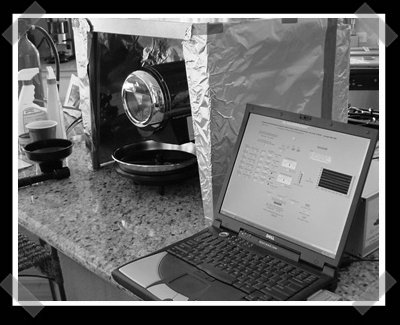
I knew about this when it came out, but it never made it’s way to Hack-A-Day. We’ve mentioned a computer controlled roaster before, but this one is far and away the best I’ve seen. [Jeffrey Pawlan] has been selling individual units to the coffee industry (and extreme coffee geeks) – with good reason. He modified an already sweet Hottop coffee roaster (~$500 US) to be completely computer controlled. He wrote a complete software interface that accounts for room temperature to create complex, repeatable roast profiles. More than anyone, I’ve lamented the lack of details on the system. It’s a safe bet that he’s using more than a few thermocouples with a multi-line A/D converter. Anyone feel like writing some open source coffee roaster software? Modifying my current setup wouldn’t be that difficult.
Dive Computer Interface Hacking
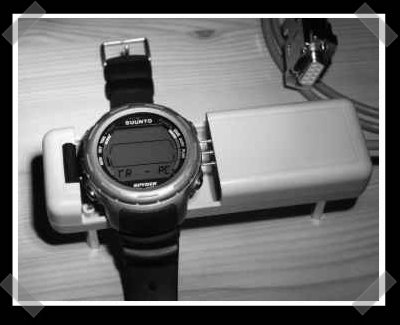
Dive computers help divers keep an eye on bottom time and calculate nitrogen saturation during dives. Many of them, like the Suunto above have a built in provision for downloading dive data post dive. [ CIBDiving] figured out a way to enable this missing feature on one of Suunto’s cheaper computers. The Gekko has the same pins as the more expensive units, but Suunto’s download manager won’t allow you to download the data. By using a simple software patch, [CIBDiving] tricked the software into pulling down the data.
You can buy a cable to pull down the data, or you can build your own serial or USB level shifting interface.
Latest Cornell Microcontroller Final Projects
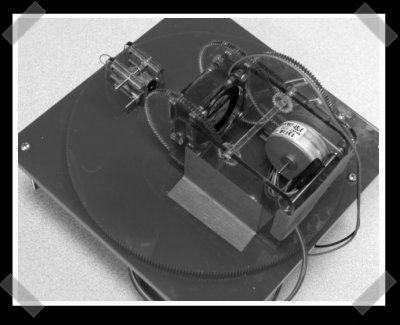
It’s that time of year when [Bruce Land] sends in the latest batch of Cornell mcu final projects. There are 32 new projects this year – including a model retina built from RGB LEDs and photo sensors. My favorite has to be laser pong. Or maybe the wearable air guitar. Damn, I can’t make up my mind.
Automatic Color Detection
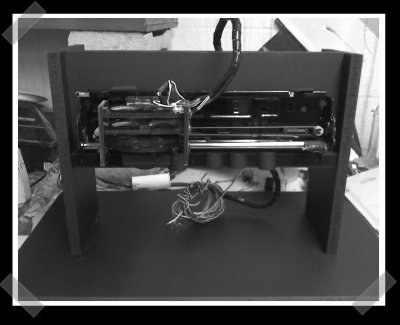
[KLOZ] submitted his final project from college. Rather than an expensive CCD camera, he used a set of colored resistors LEDs and a light dependent resistor (I’m assuming he means a photo resistor) to determine the color of a product (m&ms). He used the carriage from an old HP inkjet, a custom cnc cut wheel to separate and deliver the m&ms and a Parallax propeller micro controller board to tie it all together. Now he can hog all the green ones for himself.
Update: Yes, I’m an idiot. I did mean colored LEDs. People who caught me will get an email – I’ve got something for ya.
Check out the sorting demo video after the break
Electric (motor)cycle Extra

[Zach Norman] built this electric bike on a Harley frame. I couldn’t dig up much in the way of details, but the flickr photo set looks good.
[Micheal Raines] built a great looking electric chopper.
In the lightweight category, this hybrid (pedal/electric) bike uses li-poly batteries and a simple motor-tire drive to keep going. via [hacknmod]
Early this morning [tnkgrl] sent in her HSDPA mod for the OQO Model 2. Engadget beat me to it, but it’s a great mod for anyone who visits outside of those handy EVDO areas but want the speed for their UMPC. Living in the middle of nowhere means that I’m stuck with RxTT.
[andrew] built a handy parallel port A/D converter – so far he’s got it logging temps. The parts count is pretty low, depending on an ADC, a 555 and some OP amps.
GPS Enabled Radar Database
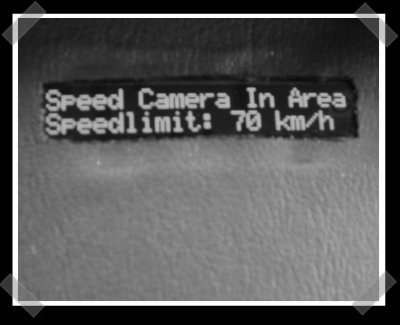
The page pretty much lacks every possible detail, but [Mattias] put together his own RADAR camera notification. It uses a published database of camera’s and a GPS receiver to notify the driver that they’re approaching one of the many permanent speed detection cameras in Sweden. Despite the lack of details, I can guess about the design. It shouldn’t be that difficult to construct something similar with a PIC or AVR with a decent amount of memory. Just compare the current location with the list, and notify the driver when it determines that it’s within a specified distance. Unfortunately all the RADAR detectors where I live are strapped to police cars.