

As Director of the Software Engineering Division at the MIT Instrumentation Laboratory, Margaret Hamilton was responsible for the software for the Apollo program. The code she was responsible for ran the lunar lander, and brought multiple missions successfully to the surface of Luna and back to orbital rendezvous. We regret to inform you that she passed on September 30th of 2026, aged 90 years.
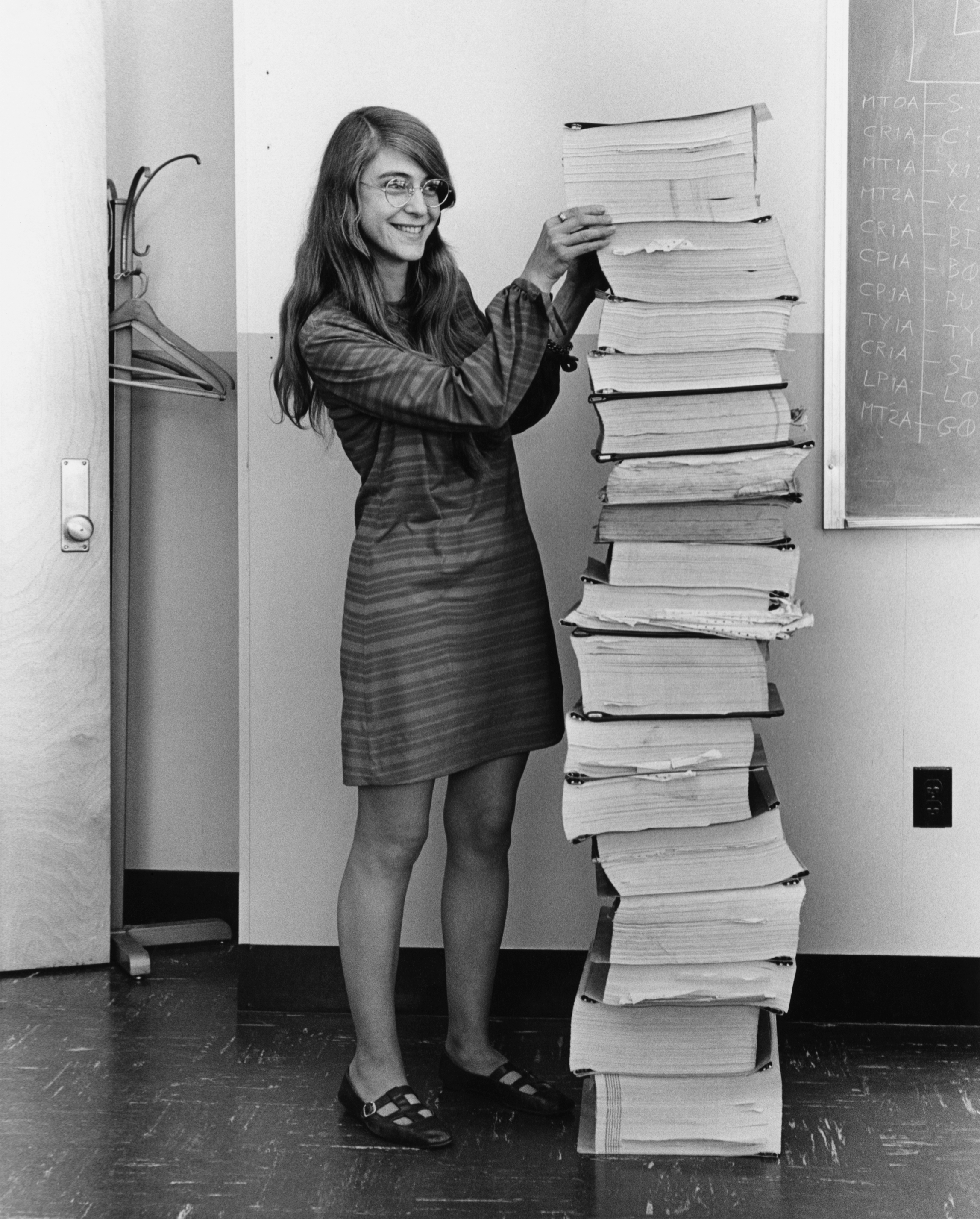
If you call yourself a software engineer, you have her to thank. Hamilton didn’t just help define the field through her efforts, she literally coined the term while at NASA in an effort to get “mere” programming taken more seriously. Suffice to say, that ambition was realized, and few see programmer as a low-status career these days.
After decades of obscurity, known only to those willing to dive deep into the Apollo program to discover her work there, Hamilton found deserved fame late in life. Her likeness eventually found its way to classroom posters and even an official LEGO figure. She also got the Presidential Medal of Freedom, but we don’t see how that could possibly compare to being immortalized in LEGO.
Some have called her a feminist icon, blazing a trail for girls and women. While that’s true enough, it’s also thinking perhaps too small. Like the missions she did so much to make successful, Margaret Hamilton blazed a trail for all of humanity.
We wish Margaret’s family the best as she blazes a trail we all must someday follow into that one last undiscovered country. Our own biographical tribute is several years old now, but it bears rereading in light of this news.
 Hamilton soon moved on to the SAGE program, writing software which would monitor radar data for incoming Russian bombers. Her work on SAGE put Margaret in the perfect position to jump to the new Apollo navigation software team.








