
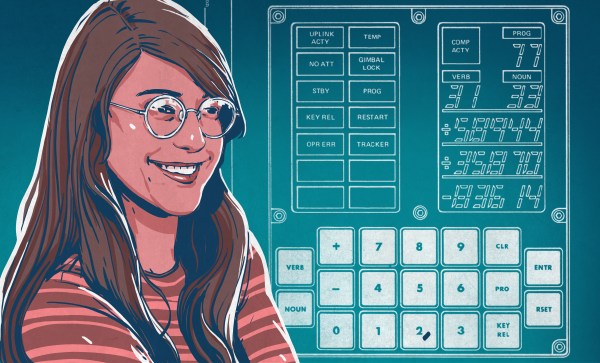
Margaret Hamilton, Pioneering Software Engineer, Dies Aged 90

As Director of the Software Engineering Division at the MIT Instrumentation Laboratory, Margaret Hamilton was responsible for the software for the Apollo program. The code she was responsible for ran the lunar lander, and brought multiple missions successfully to the surface of Luna and back to orbital rendezvous. We regret to inform you that she passed on September 30th of 2026, aged 90 years.
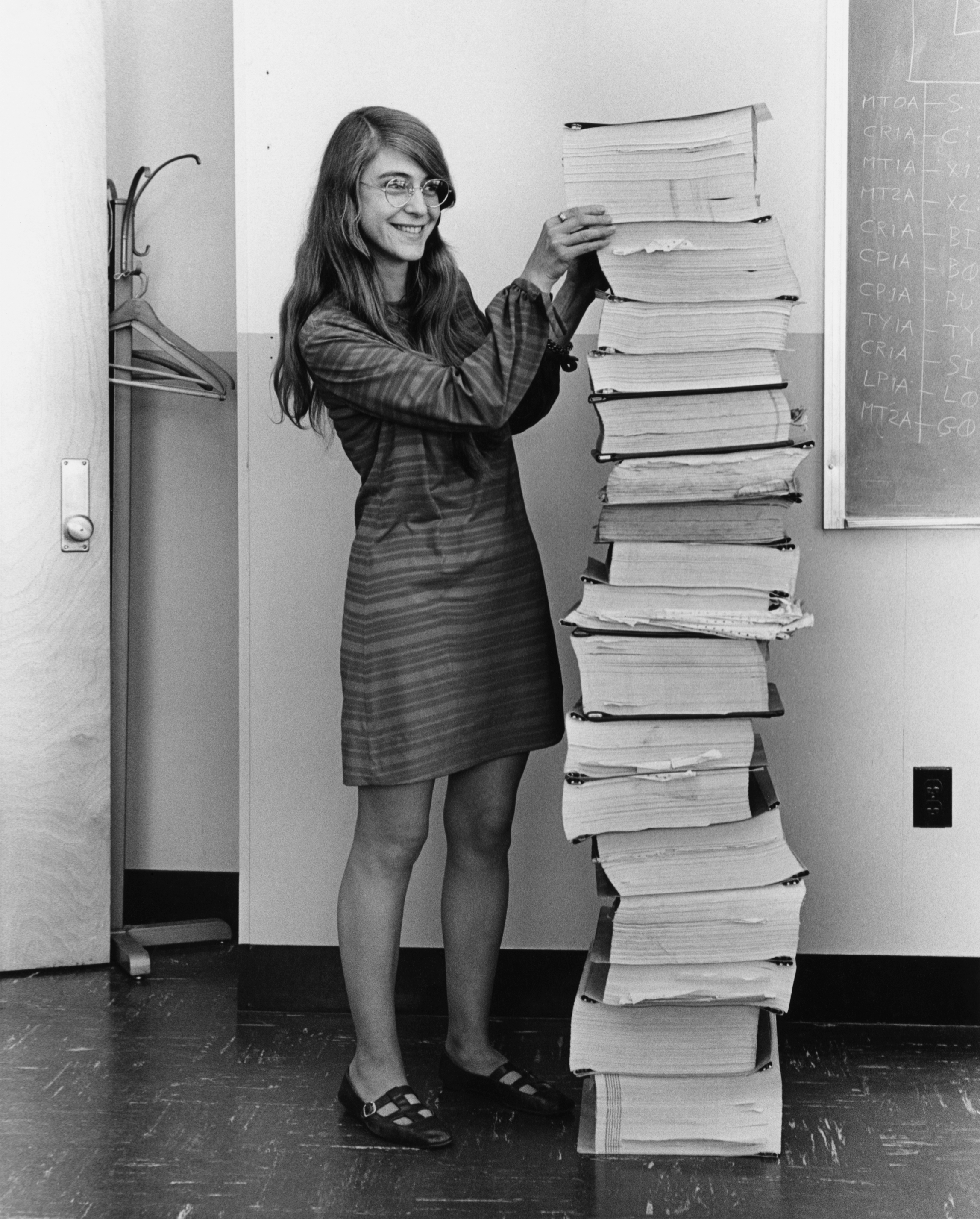
Hamilton, with the code that put men on the moon.

If you call yourself a software engineer, you have her to thank. Hamilton didn’t just help define the field through her efforts, she literally coined the term while at NASA in an effort to get “mere” programming taken more seriously. Suffice to say, that ambition was realized, and few see programmer as a low-status career these days.

After decades of obscurity, known only to those willing to dive deep into the Apollo program to discover her work there, Hamilton found deserved fame late in life. Her likeness eventually found its way to classroom posters and even an official LEGO figure. She also got the Presidential Medal of Freedom, but we don’t see how that could possibly compare to being immortalized in LEGO.

Some have called her a feminist icon, blazing a trail for girls and women. While that’s true enough, it’s also thinking perhaps too small. Like the missions she did so much to make successful, Margaret Hamilton blazed a trail for all of humanity.

We wish Margaret’s family the best as she blazes a trail we all must someday follow into that one last undiscovered country. Our own biographical tribute is several years old now, but it bears rereading in light of this news.
Margaret Hamilton Takes Software Engineering To The Moon And Beyond

If you were to create a short list of women who influenced software engineering, one of the first picks would be Margaret Hamilton. The Apollo 11 source code lists her title as “PROGRAMMING LEADER”. Today that title would probably be something along the line of “Lead software engineer”

Margaret Hamilton was born in rural Indiana in 1936. Her father was a philosopher and poet, who, along with grandfather, encouraged her love of math and sciences. She studied mathematics with a minor in philosophy, earning her BA from Earlham College in 1956. While at Earlham, her plan to continue on to grad school was delayed as she supported her husband working on his own degree from Harvard. Margaret took a job at MIT, working under Professor Edward Norton Lorenz on a computer program to predict the weather. Margaret cut her teeth on the desk-sized LGP-30 computer in Norton’s office.

Hamilton soon moved on to the SAGE program, writing software which would monitor radar data for incoming Russian bombers. Her work on SAGE put Margaret in the perfect position to jump to the new Apollo navigation software team.
The Apollo guidance computer software team was designed at MIT, with manufacturing done at Raytheon. To say this was a huge software project for the time would be an understatement. By 1968, over 350 engineers were working on software. 1400 man-years of software engineering were logged before Apollo 11 touched down on the lunar surface, and the project was lead by Margaret Hamilton.
Continue reading “Margaret Hamilton Takes Software Engineering To The Moon And Beyond” →

Grace Hopper, Margaret Hamilton, Richard Garwin Named For Medal Of Freedom

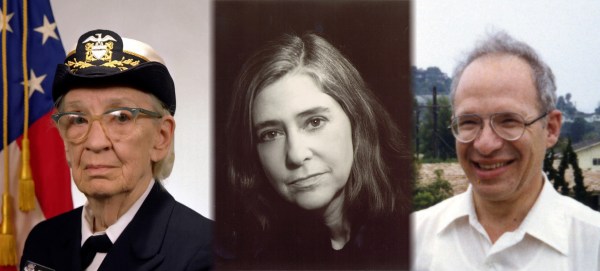
Somewhat hidden among athletes, actors, and musicians, three giants of technology have been aptly named as 2016 Presidential Medal of Freedom recipients. Grace Hopper, Margaret Hamilton, and Richard Garwin all made significant contributions to the technology that envelops our lives and embody the quest for knowledge and life-long self learning that we’d like to see in everyone.

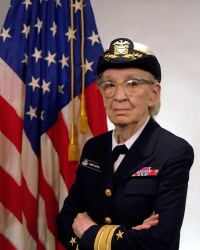
Commodore Grace M. Hopper, USN (covered).

Rear Admiral Grace Hopper’s legacy lies with the origins of computer science. She wrote the first compiler. In a time when computers were seen more as calculating machines than easily adaptable frameworks she looked to the future and made it happen. She continued to make huge contributions with lasting effect in developing COBOL, unit testing methods for programmers, and in education. We have long loved her explanation of a nanosecond (and why software engineers shouldn’t waste cycles) and was one of the first to program on the Harvard Mark I which can still be seen in the lobby of the school’s engineering building.

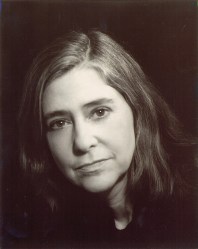
margaret_hamilton_1995As Director of Apollo Flight Computer Programming, Margaret Hamilton is the driving force behind the software of Apollo. When the program started, she was Director of Software Engineering at MIT Instrumentation Laboratory. Originally there wasn’t a plan or budget for software in the space program. Hamilton built the program and led the team who wrote the software and turned it into punch cards to be fed into the computer. We enjoyed reading about some of her adventures during the Apollo project, her drive to develop pristine code is palpable. Over the past year we’ve marveled at the rope memory of the Apollo Guidance Computer and delighted when a hardcopy of AGC software showed up at a party. Her legacy at having written the code for the first portable computer — one that happened to land on the moon and return home safely — is incredible.
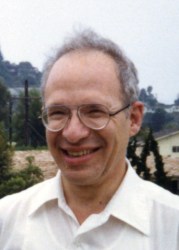
richardgarwin1980Physicist Richard Garwin’s name is most associated with the first hydrogen bomb design. But another part of his work is more likely to have directly touched your life: his research into spin-echo magnetic resonance helped lead to the development of Magnetic Resonance Imaging. MRIs have of course become a fundamental tool in medicine. Garwin studied under Fermi during his doctoral work — you may remember Fermi from our look at the Fermiac analog computer last year.

Congratulations to these three recipients, their recognition is incredibly well deserved. We’d love to hear about some of your own technology heroes. Let us know on the tips line so that we may help celebrate their accomplishment and inspire the next generation of giants.

Image Credits:









