

A Dynomometer measures actual horsepower and torque output at the wheels of a vehicle. Aside from racing, it’s long been the way to test out engine modifications. [Steve] built his own. It uses a Basic stamp for data acquistion, and a custom machined drum for the physical interface.
Misc Hacks4029 Articles
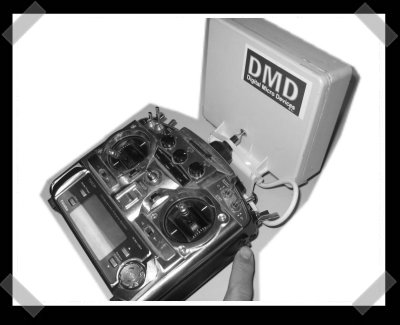
Long Range R/C On 868Mhz
Been looking for some extra range for your R/C projects? [Tron]’s managed to control his planes from 9.8Km using this kit at 868Mhz. I don’t know if I’d have the patience to fly the plane for that long, but this beats the pants off of just about everyone else home R/C gear.
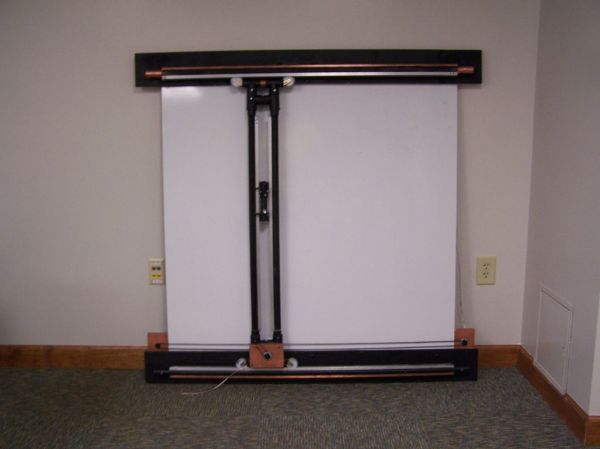
Mechanical White Board
[Romado12187] just posted a walkthrough of his mechanical dry erase board project on Instructables. It was on display in the Microsoft booth last weekend at Maker Faire. Unlike [sprite_tm]’s version we covered earlier, this one is built more like a traditional pin plotter. The construction was done entirely in [Romado12187]’s dorm room and uses plywood and PVC pipes for the majority of the frame. The mechanical components were purchased from SDP/SI and the controller hardware are Phidgets. He included a joystick, but it also has a C# command line program for control. [Romado12187]’s write up also has a lot of improvements to help make your first attempt better than his; buying a premounted board and being very exact in calculating motor power are recommended. Catch a video of the plotter in action after the jump.
Maker Faire 2008: Stribe Music Controller
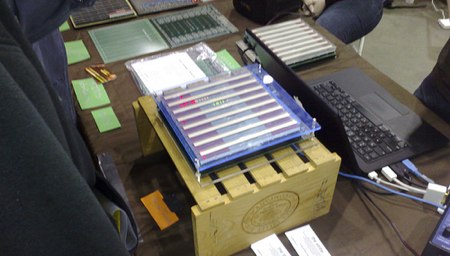
We saw a lot of interesting gear at Maker Faire last weekend and thought we’d highlight some of those projects this week. [Josh Boughey]’s Stribe was originally inspired by the monome 40h. It features of 16 columns of 64 LEDs for a total of 1024 individually addressable lights. Even with all those LEDs, PWM control means it can run off of USB power. 8 spectrasymbol softpots are used between the columns for user input. It’s really quite an amazing feat for being [josh]’s first board design. All of the circuit designs and firmware are available. Check out Flickr for more photos from this weekend.
Cornell ECE Final Projects: Spring 08
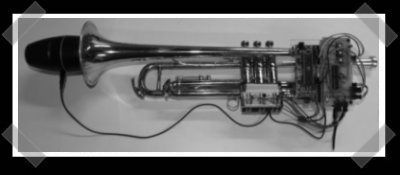
I was starting to wonder when [Bruce] would send in this years final projects from the Electrical and Computer Engineering students at Cornell University. The first project looks like a great one for the green geek – a controllable power usage monitoring power outlet. The music geeks should dig midi trumpet interface, but the car geeks might have problems keeping away from the soldering iron after they see the CAN bus SD card data acquisition system. There are plenty more, so go check em out.
Add Bluetooth Audio To Your GPS/etc
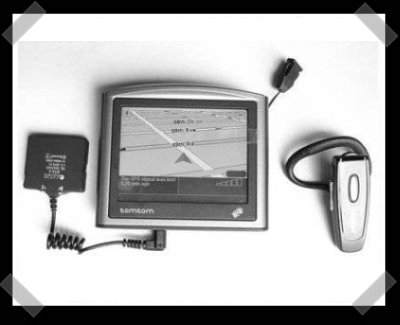
[sudija] wrote up a nice instructable on adding bluetooth audio output to a tomtom gps unit. It’s not too technically advanced, but you’ll have to add an audio jack if your gps lacks one. This looks like a great way to turn a cheaper unit into something suitable for a motorcycle rig.
USB Temperature Logger
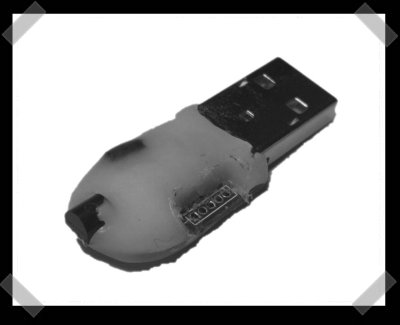
[Ned] sent in his USB temperature sensor. This little guy has a PIC controller, FTDI usb serial interface and a dallas temperature sensor. He managed to keep the cost very low – including the PCB.









