
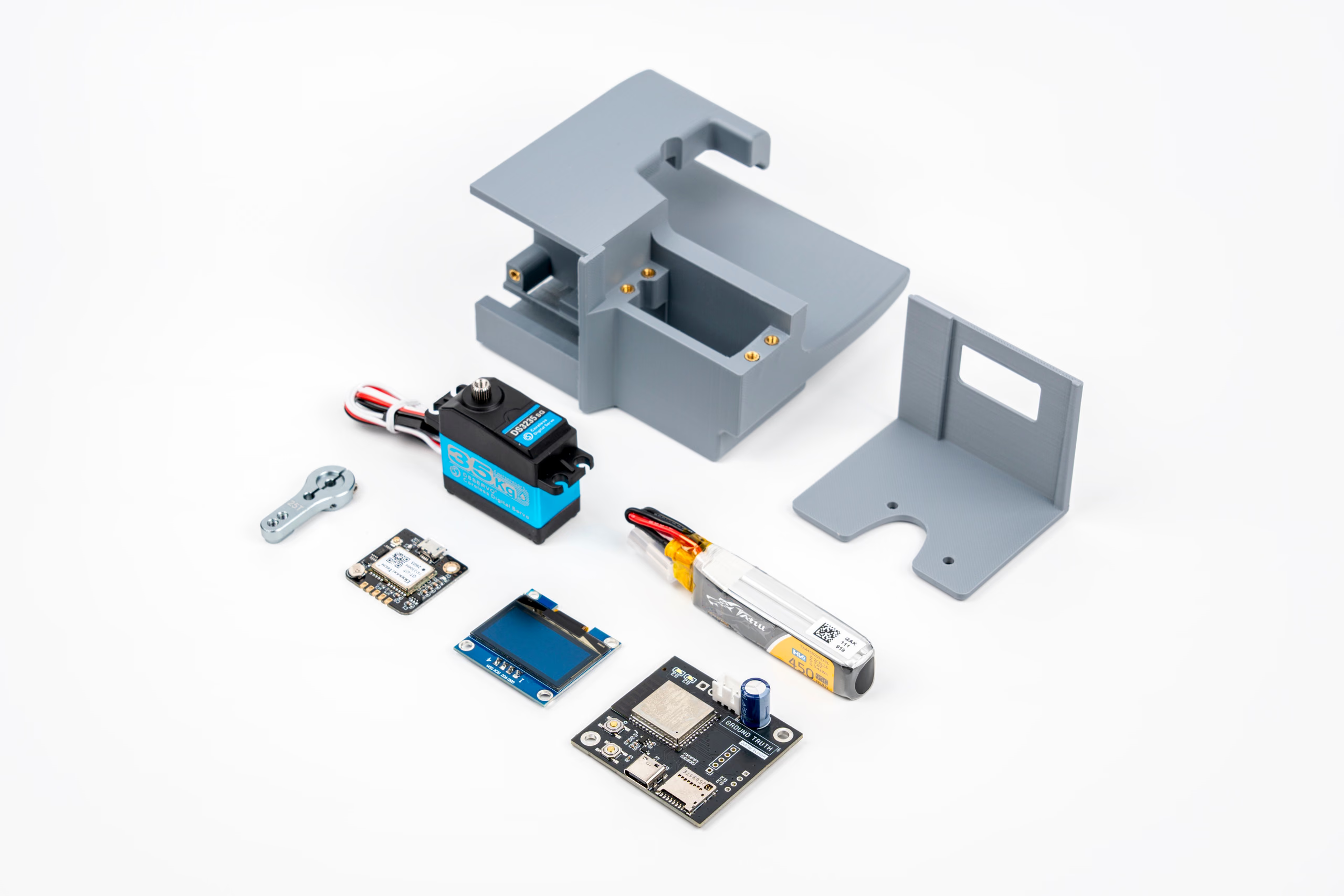
A blueish grey plastic enclosure sits next to a blue and black servo, silver Li-ion battery, a GPS module board, an LCD, a small metal lever, and ESP32S3 board.

Pedal Harder For Affordability

In the US, among other places, housing costs are skyrocketing. It can sometimes be difficult to get a feel for the scale of the issue and how it hits neighborhoods differently. [Justin Blinder] has designed a device to help people get a more visceral understanding of the problem.

In New York City, Citi Bikes are everywhere in the city’s transportation landscape. [Blinder] used a GPS module plugged into an ESP32S3 to vary the amount of resistance on one of these bikes by actuating the front brake with a servo. As a rider takes the bike through different neighborhoods, the resistance varies in proportion to the rent burden experienced there.

[Blinder] explains, “One of the main technical challenges was calibrating this relationship so that the changes were physically noticeable without feeling abrupt or unsafe.” As rent burden is merely the percentage of income taken up by rent in an area (by the block in this dataset), it is only one indicator of the additional friction a family might feel in an area, but a useful one to at least begin to convey the disparities in the urban environment. We really like how this connects abstract statistics to something more experiential.

If you’re looking for some other bike hacks, how about wireless brakes or a sleeper e-bike with a solenoid display?

via Next City
Continue reading “Pedal Harder For Affordability” →

Bike Lock Secures Car

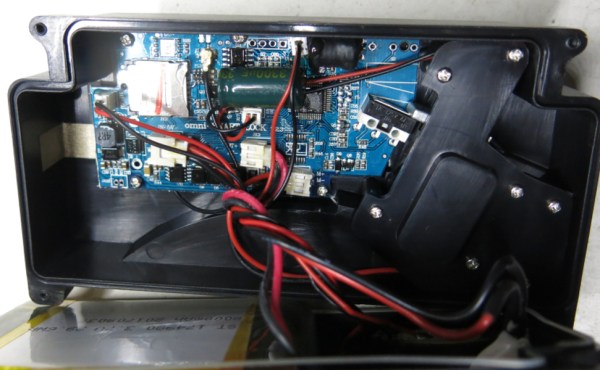
[Buttim] loses his car a lot, which might sound a little bit like the plot from an early-00s movie, but he assures us that it’s a common enough thing. In a big city, and after several days of not driving one’s car, it can be possible to at least forget where you parked. There are a lot of ways of solving this problem, but the solution almost fell right into his lap: repurposing a lock from a bike share bicycle. (The build is in three parts: Part 2 and Part 3.)

These locks are loaded with features, like GPS, a cellular modem, accelerometers, and in this case, an ARM processor. It took a huge amount of work for [Buttim] to get anything to work on the device, but after using a vulnerability to dump the firmware and load his own code on the device, spending an enormous amount of time trying to figure out where all the circuit traces went through layers of insulation intended to harden the lock from humidity, and building his own Python-based programmer for it, he has basically free reign over the device.

To that end, once he figured out how it all worked, he put it to use in his car. The device functions as a GPS tracker and reports its location over the cellular network so it can’t become lost again. As a bonus, he was able to use the accelerometers to alert him if his car was moving without him knowing, so it turned into a theft deterrent as well. Besides that, though, his ability to get into the device’s firmware reminded us of a recent attempt to get access to an ARM platform.







