Citizen Science By The Skin Of Your Teeth

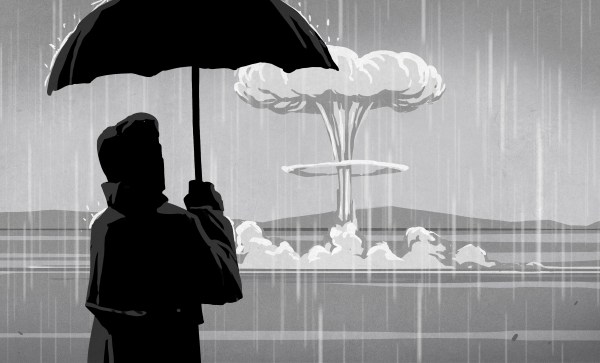
If you are a schoolkid of the right age, you can’t wait to lose a baby tooth. In many cultures, there is a ritual surrounding it, like the tooth fairy, a mouse who trades your tooth for a gift, or burying the tooth somewhere significant. But in 1958, a husband and wife team of physicians wanted children’s teeth for a far different purpose: quantifying the effects of nuclear weapons testing on the human body.
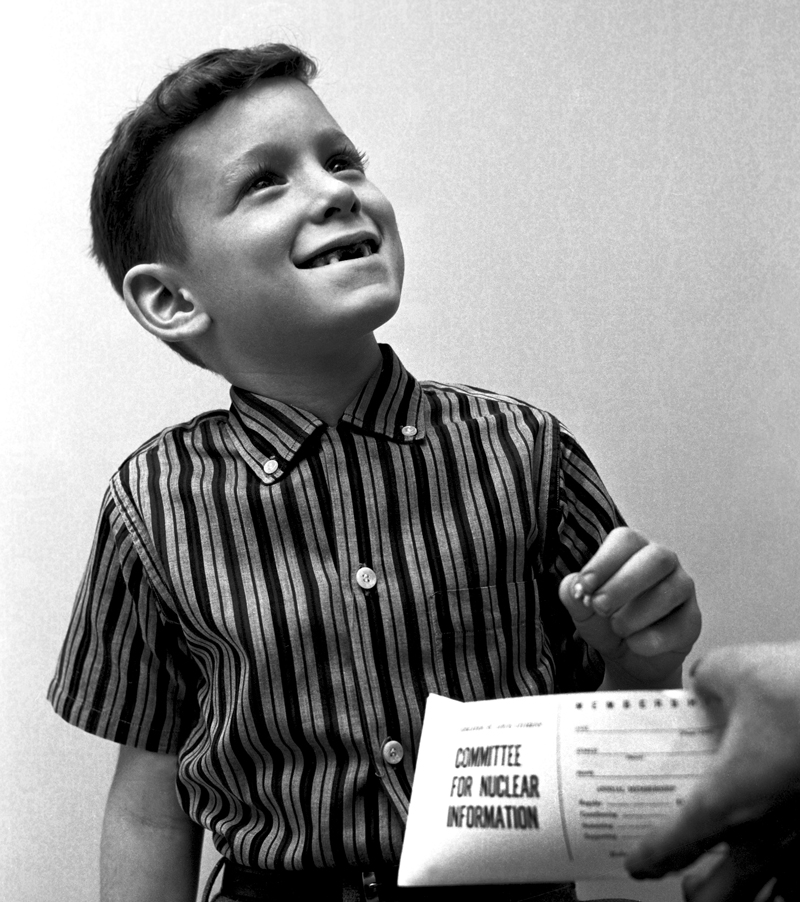
A young citizen scientist (State Historical Society of Missouri)

Louise and Eric Reiss, along with some other scientists, worked with Saint Louis University and the Washington School of Dental Medicine to collect and study children’s discarded teeth. They were looking for strontium-90, a nasty byproduct of above-ground nuclear testing. Strontium is similar enough to calcium that consuming it in water and dairy products will leave the material in your bones, including your teeth.

The study took place in the St. Louis area, and the results helped convince John F. Kennedy to sign the Partial Nuclear Test Ban Treaty.

They hoped to gather 50,000 teeth in a year. By 1970, 12 years later, they had picked up over 320,000 donated teeth. While a few kids might have been driven by scientific altruism, it didn’t hurt that the program used colorful posters and promised each child a button to mark their participation.

Children’s teeth were particularly advantageous to use because they are growing and are known to readily absorb radioactive material, which can cause bone tumors.

Continue reading “Citizen Science By The Skin Of Your Teeth”
Hackaday Podcast 070: Memory Bump, Strontium Rain, Sentient Solder Smoke, And Botting Browsers

Hackaday editors Elliot Williams and Mike Szczys bubble sort a sample set of amazing hacks from the past week. Who has even used the smart chip from an old credit card as a functional component in their own circuit? This guy. There’s something scientifically devious about the way solder smoke heat-seeks to your nostrils. There’s more than one way to strip 16-bit audio down to five. And those nuclear tests from the 40s, 50s, and 60s? Those are still affecting how science takes measurements of all sorts of things in the world.

Take a look at the links below if you want to follow along, and as always, tell us what you think about this episode in the comments!

Direct download (60 MB or so.)

Continue reading “Hackaday Podcast 070: Memory Bump, Strontium Rain, Sentient Solder Smoke, And Botting Browsers”

How Science Adapted To The Aftermath Of Cold War Nuke Tests

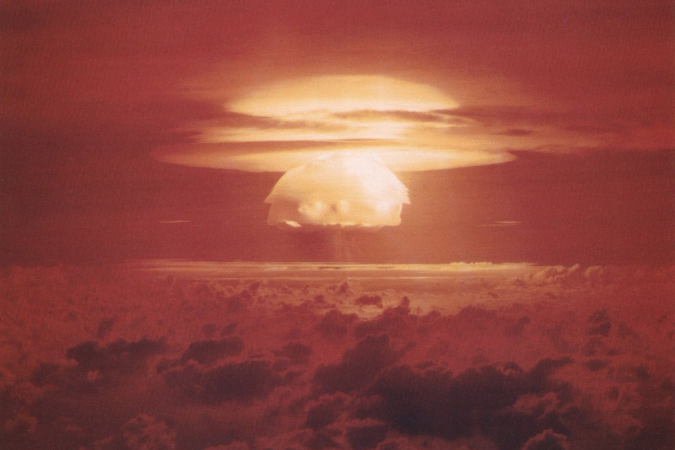
Current global events have demonstrated that we do not live in the most stable of times. Still, most of us 90’s kids are probably glad that we did not have to endure the political shakiness of the Cold War era when people were living in constant fear of nuclear Armageddon. Nuclear weapons tests were common during this period as the United States and the Soviet Union invested heavily to increase the quality and quantity of their warheads in the race for nuclear supremacy.

Even though the political situation stabilized after the fall of the Soviet Union, the consequences of the vast amount of nuclear tests conducted back then are still noticeable today. Besides the devastating effects on human health and the environment, this period also leaves some implications for science which are not always negative.

Continue reading “How Science Adapted To The Aftermath Of Cold War Nuke Tests”