
Computing goes hand-in-hand with how to structure and access data, and this internal training film from IBM regarding file organization and data processing with System/360 is from a time when such decisions were crucial to system architecture.
The presenter talks about the transition from magnetic tape-based storage (in which data is stored and must be read sequentially) to DASD (direct access storage devices) which have more in common with modern mass storage media. The ability to access and process data at will instead of sequentially represented a tremendous opportunity to change how organizations handled data. System/360 redefined mainframe computing, introducing not just the concept of compatibility and interoperability of programs and data between systems, but also popularized the 8-bit byte.
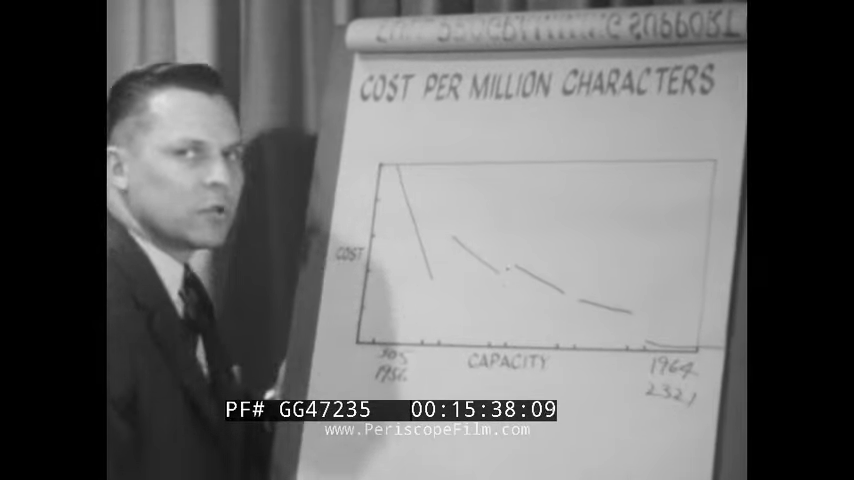
It’s not a particularly long presentation and it doesn’t go into deep technical detail — it was primarily aimed at sales people — but it does offer an interesting peek into a time period in computing history that most of us have little or no direct experience with. Nevertheless some things never change, like a trend of plummeting storage prices (listed as cost per million characters) over time.
Check it out in the video embedded below, and if you’d like to know more about IBM’s System/360 we have you covered.
Thanks [Stephen Walters] for the tip.












67
“Some trends never change, like storage costs over time.” True up until a few month ago, but AI has driven a stake right through the heart of that trend.
Don’t blame AI, blame the oligarchy that controls the storage market.
I’m surprised the EU didn’t do some ruling on it being allowed for someone like OpenAI to buy up ALL the storage from all companies.
It’s sort of monopoly-adjacent.
But being politician they probably haven’t heard of the whole thing yet. //s
It’s called monopsony.
A friend, Dr. Larry-Stuart Deutsch, who passed in 2023, was one of the original designers of the IBM 360’s operating system. IBM “donated” some of the machines to MIT, in return for getting an OS.
I still wish IBM had adopted ASCII earlier. EBCDIC had lots of issues, between not being a single code set (particularly a problem as braces and brackets became part of programming languages) and too-clever-for-their-own-good concepts like the code point for “national currency symbol” (yes it meant you didn’t have to change the printout to internationalize, but that also meant you printed the wrong currency when the document moved between countries).
In their defense they made the mistakes so everyone else knew what not to do. But it took entirely too long to develop a plan to migrate customers from one code set to the other, especially as they sorted differently.
Worked for them for 13 years. Greatest company of all time and still is.
At Durham Uni our IBM rep was proud of the fact that the 360 OS would never crash.
SO of course some bright spark wrote a program that halted it.
I think the rep was called in!
How it was done: two tight FOR loops around specific memory locations, which were the core rings under the fire alarm sensors. Tripped off the alarm, shut the bugger down!