
It’s an exciting time to be a camera hacker, because we are at a moment when even cheap camera hardware is starting to have high resolution sensors, and the awesome camera phones of a few years ago are now in people’s junkboxes. Lens swapping has been a feature of the art for a while now, usually taking the form of a C-mount add-on. So with a bit of 3D printing and glue, you can now make something more interesting from an AliExpress purchase or that old phone. These cameras have all the resolution and sharpness that the sensor can deliver assuming that their software isn’t too awful, but there’s a persistent problem . The photographs invariably have a pinkish tint, as reported in a recent Hackaday-featured project, just to name one. The original lens doesn’t have this problem, so what’s up?
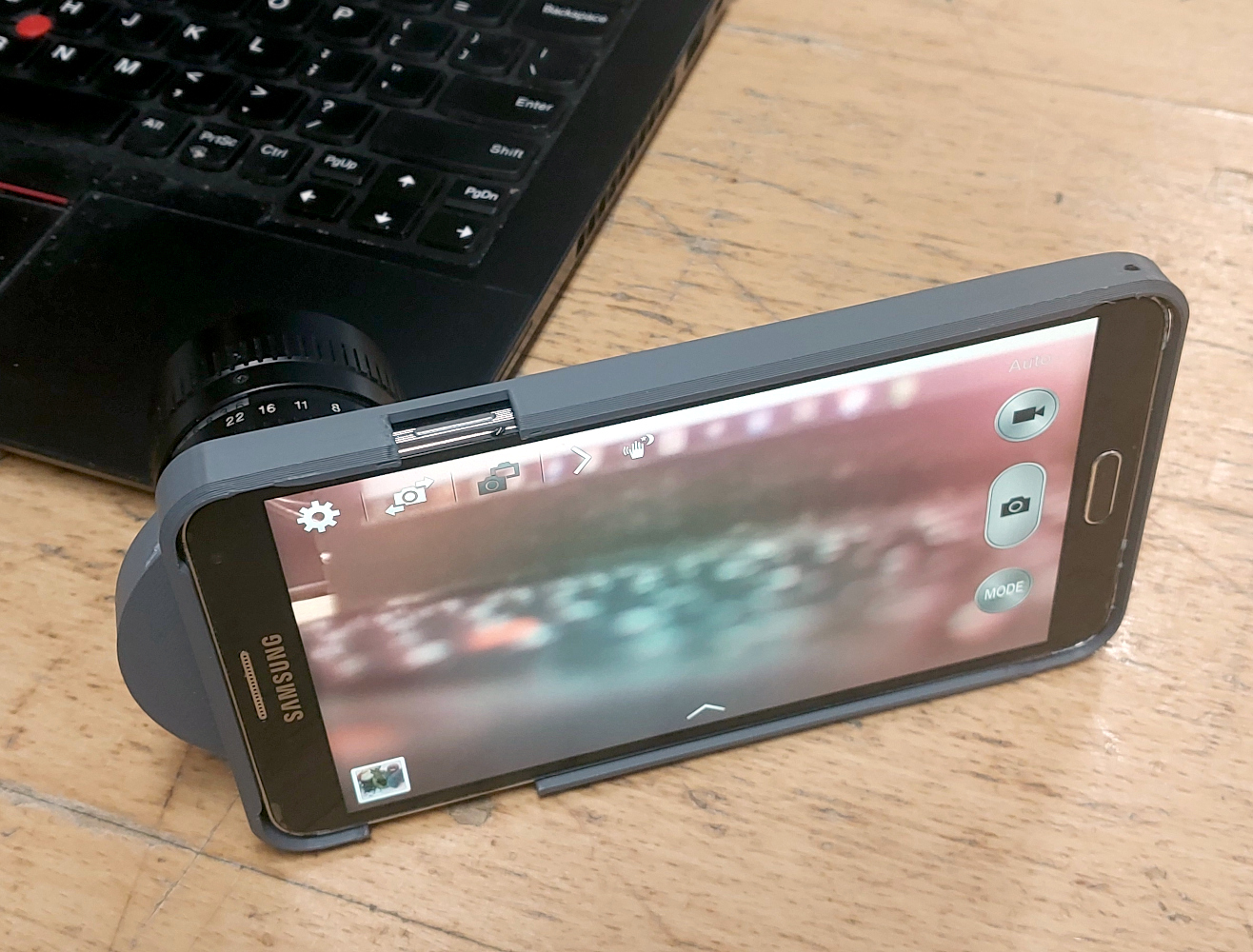
Of course, the more astute readers are immediately thinking about IR filters. I did too, when one of my on-and-off projects had the pink tint. It’s a Samsung Galaxy Tab 3, an ancient Android 5 phone with a rather useless and gimmicky stylus, and a rather nice camera sensor. I bought a replacement camera module for it on AliExpress so I’d have something to experiment with, removed its lens assembly, and had a phone with a bare sensor peeking from the back of it. A 3D printed adjustable lens mount assembly that I’ll eventually clean up and release so any phone can have the same modification followed.
Faced with the dreaded pink when I started taking pictures, I ineptly glued an IR filter to the back of it, and awaited my perfect shots. Sadly they never came, so rather than admit defeat, I’m hoping one of you lot can help. Are any Hackaday readers in the optics business and can tell me what’s up? Continue reading “Ask Hackaday: What Puts This Photo In The Pink?”