
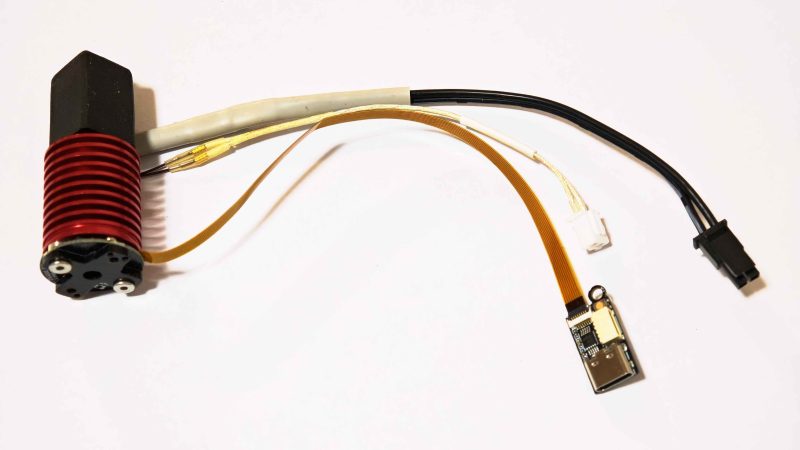
Some people love fiddling with their 3D printers, others love printing. Some fiddle so they can spend more time printing, which is probably where this latest project comes in: an automated pressure advance calibration tool by [markniu].
Most of us don’t take enough care with pressure advance (PA). But if you want absolutely perfect prints, its something you should be calibrating for every type filament in your collection. Some would argue, ideally every individual spool. While that sort of dialing in can be fun, it takes away from actually running off prints. Bambu printers automate PA by scanning the usual sort of calibration print, but that’s still a very indirect measurement. Why not, just advance the filament, and measure the pressure at the nozzle directly? That is what PA is meant to account for, after all: the pressure of the plastic in the hotend causing oozing and blobbing at corners.
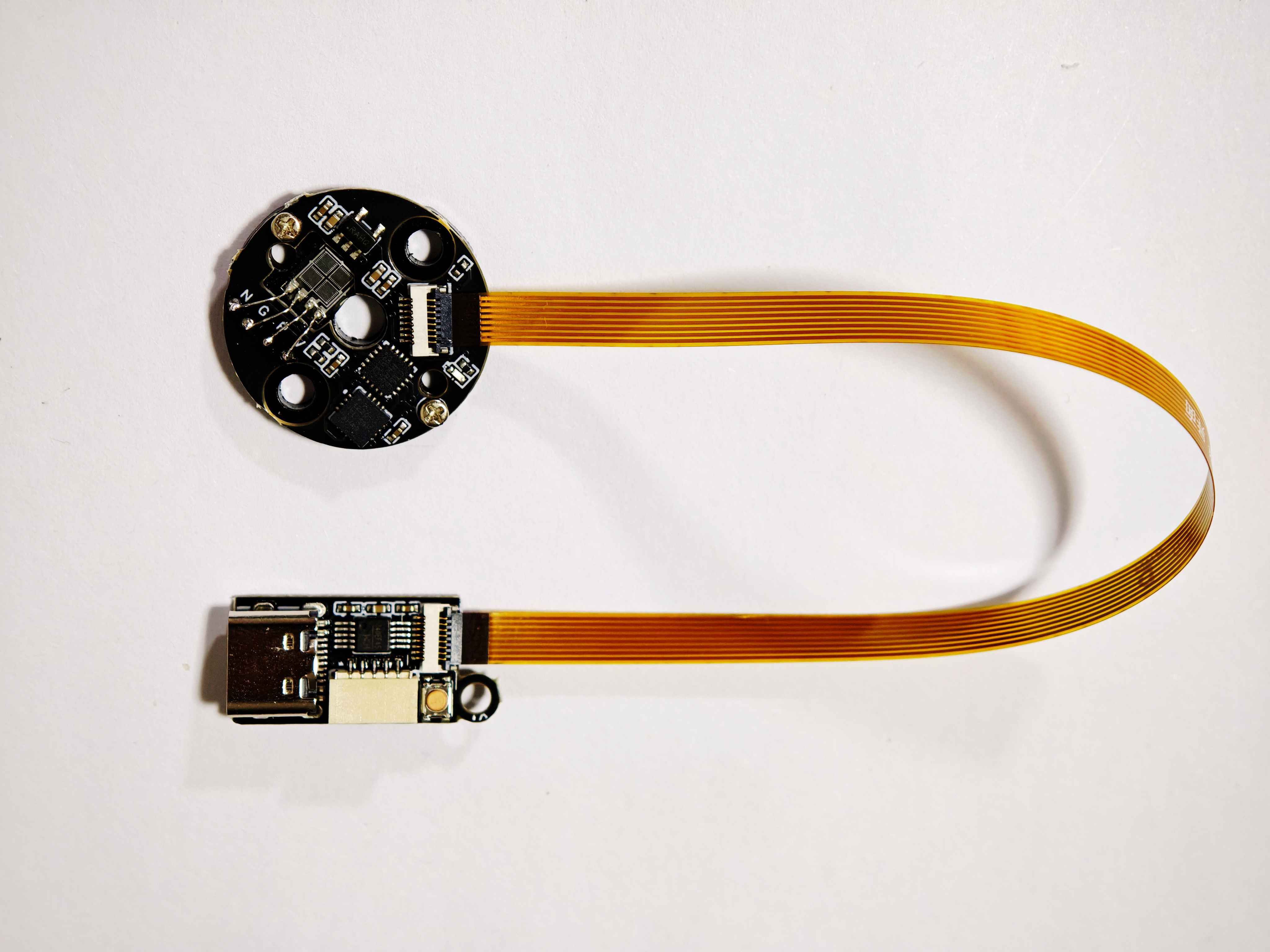
[mark]’s solution comes very close to a direct measurement. It uses a strain gauge that sits directly on top of the heatbreak, with the sound logic that the strain there experienced will be directly proportional to the pressure inside, at least along the axis of flow. Instead of filling half the bed with lines, the calibration process instead is a ‘printer poop’ style extrusion that doesn’t take nearly as long, and seems to save plastic, too. Since this puts a strain gauge in your hotend, you also get the bonus of being able to use it for bed leveling if you should so desire.
[mark] is claiming sub-90 second calibration — as you can see in the demo video embedded below — versus over seven minutes for the indirect calibration print. The value is plugged directly into Klipper, assuming you configured everything correctly, which should be easy enough looking at the instructions on the GitHub.












Tyler my man you are wildly out of date. Bambu printers haven’t relied on scanning for pressure advance calibration since the X1. The A1, A1 Mini, H2S, H2D, H2C, and P2S all have eddy current sensors inside the hotend for pressure advance calibration. They’re not the only ones either. Other printers like the Snapmaker U1 do the same.
What is the eddy current sensor measuring when used for calibrating pressure advance?
It is just a non-invasive way to measure strain. As you strain a metal, it slightly changes how it conducts electromagnetic fields. Measure those changes, and you can approximate how strained the metal is.
Thanks. I think I understand the generalities of eddy current sensing, and the generalities of strain.
I’m curious about what specific physical thing is being measured. What is moving (being strained) by the change in pressure?
I don’t even know why I care, but for some reason this interests me. :-)
Looking through Bambu’s part replacement docs it looks like it functions as a strain gauge: it measures linear displacement of the nozzle as pressure from the extruder pushes it. Kind of like a budget LVDT, just measuring the inductance of one coil to estimate the position of adjacent ferromagnetic material. I don’t see the docs mention the actual displacement, only that the gap is initially set to 0.2 mm. The actual motion must be on the order of tens of microns.
” As you strain a metal, it slightly changes how it conducts electromagnetic fields”
That might technically violate the laws of physics, but definitely does not smell right as the mechanism for this application.
…might not technically…
Ah, HaD, where’s the edit button?
That does sound like an awfully weak effect on an awfully small change to be using for measurement.
Imposter.
Gotta get me a gravatar. Or just log in.
Could that be used to measure strain on levers or tension in wire for example guitar or harp strings?
Fine if you don’t want to hack anything, and you’re okay with the government approving everything you print on your printer, and eventually being locked out of third party filaments
Huh. I admit, not being into Bambu, I missed that.
Well, I think it’s great to see an open-source implementation for the rest of us.