

How Search Engines Enabled Finding Needles In A WWW-Sized Haystack

When the World Wide Web surged into existence during the 1990s, we were introduced to the problem of how to actually find something in this ever-ballooning construction zone that easily outpaced even the fastest post-WW2 urban sprawl. Although domain names provided a way to find servers using DNS rather than having to mash in IP addresses, you still somehow had to know the relevant URL.

A range of solutions were thought up over time, ranging from printed Yellow Pages type guides, to online curated lists of resources, as well as things like web rings where one website would link to a relevant similar website. This was the time when word-of-mouth was also very relevant, with people proudly announcing their own website on Geocities or other hosting service.

Search engines already existed long before the WWW became the hot new thing during the 1990s, but it was the WWW that would really push them to their limits. As anyone who used search engines for the WWW can attest, they had many issues. Often you’d end up using multiple search engines to find something, and despite fierce competition between web search engines to become the starting page for their browser, actually finding things on the WWW remained a tough problem.

Since a web search engine ‘just’ has to index the WWW and match a search query against the results, why was this such a hard problem that persisted until Google apparently cracked the code?

Continue reading “How Search Engines Enabled Finding Needles In A WWW-Sized Haystack”
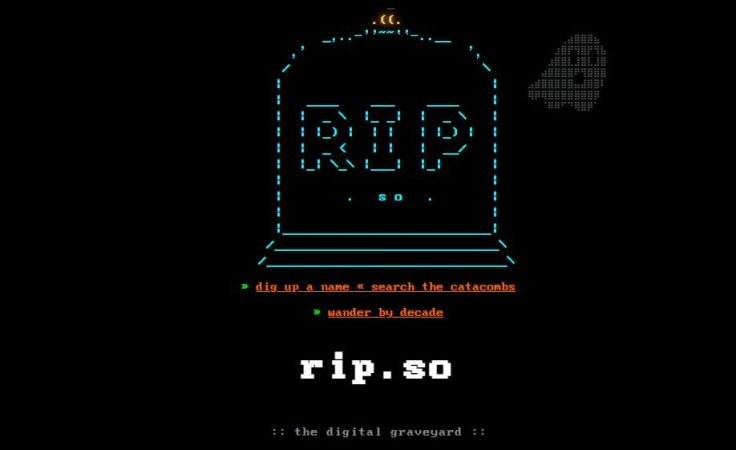
Remembering The Tech We Lost With A Virtual Graveyard

Although 1999 might still feel like yesterday for some of us, in the world of technology the intervening years are practically an eternity. New websites, applications and devices pop up all the time, only to die off just as fast again for a variety of reasons. Amidst such chaos it’s always good to take a breather and reflect on all that we have lost, such as on the virtual graveyard that [Burak Ozdemir] created with hand-written obituaries and only the classiest of 90s-era web design.

Remembered are everything from instant messengers and social networks to web hosts and devices. Who still remembers their ICQ number? There was a good chance that you were also on GeoCities or similar web host back then too. Maybe you weren’t really into Google+, but some of us still have fond memories of its virtual hangouts that provided a connection to people around the world in a way not since replicated.

Not all of the entries are as well-known, of course, with not everyone remembering or ever having heard about services like Songza. A few rare entries on the list have punched a zombified hand through six feet of soil and shambled back into the daylight, such as the Pebble devices. Some entries are quite more recent, with many probably remembering Microsoft’s short-lived Tay that made clear that public chatbots need a lot of safety rigging, a lesson that was mostly remember by subsequent chatbots.

Although some things like forum signatures and personal homepages arguably still live on, the death of Clippy will definitely be mourned by many.









