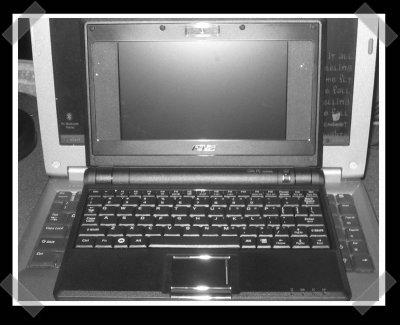
[Tracker] sent in this handy software hack for the eeePC. The idea is to scale higher resolutions like 1024×768 down to the native 800×480 screen resolution. His post tells you how (but requires windows) and helpfully provides the required downloadable driver. I wonder if he’s seen this video showing up 1600×900?
(update: fixed the missing video link.)
Cheap 360 Degree Head Tracking
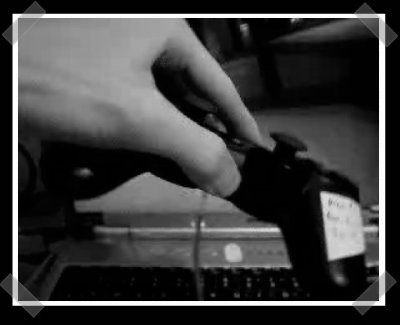
[Joel] sent in his efforts to build an inexpensive 360 degree head tracking display. He’s using a Playstation six axis controller as the key to his helmet tracking system. The demo is short and to the point. He’s using the usual Glovepie driver to provide the software interface and what looks like off the shelf hardware on the helmet.
What really grabs my attention is the low cost of getting into VR now. Assuming that you own a computer, you can build your own VR setup for the cost of a Playstation controller and a cheap heads up display. (Remember these?)
Personal (IR) Radar
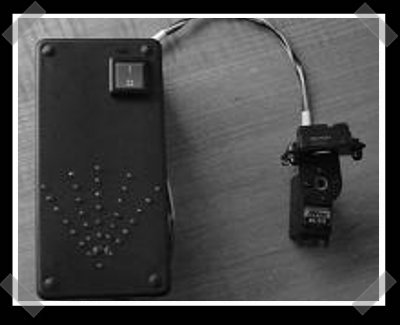
[chris] sent in this inexpensive personal radar project. It uses a servo mounted IR range finder to locate and display the distance to an object. (Lake a parked car as shown in the demo video) The project is destined for some robotics projects – and who doesn’t love LED display proximity sensors. It makes me think of the direction finders in every other 80’s action movie. It’s gotten some attention on Digg, but I like it for the inexpensive build and the excellent use of a PIC 18F452.
PWM Audio Generation With An AVR
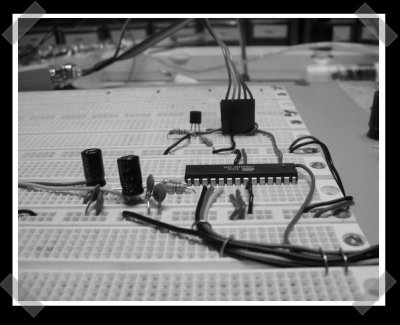
[Dane] sent in his sweet AVR hack. He used the PWM output to play pre-recorded audio output. It’s not very high quality, but it could be useful for adding low cost audio feedback to your projects.
$20 Mini-dvd Player LCD Hacking
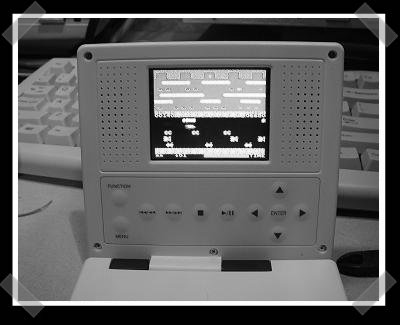
[Jeff] sent in this nice how-to on gutting the 2.5″ LCD from a $20 mini dvd player. After removing the player hardware, he shows where you’ll need to tap the circuit to feed it composite video. Looks like just the thing for those portable console projects.
DMX Light Control For Home Automation
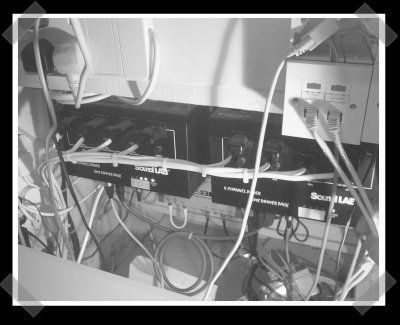
Generally, the only time I’ve ever seen DMX in use is for stage productions. [Dan] sent in his home light control project – he used a RS-232 to DMX interface and a bunch of commercial DMX dimmers. His light switches were replaced with potentiometers connected to the system via CAT5 cabling. The POTs send 0-10v up the line to the dimmers, and the manual control can override the automated(DMX) settings. The system is simple, robust and responsive – avoiding the delay pitfalls usually incurred by systems like X10.
Monday Retinal Extra

Look ma, it’s my retina. Here’s a short collection of hacks to make yours happy.
[Brian] sent in this odd collection of information he calls the open source biohack kit. The info is interesting, but everything is inside a giant zip file. I think it could benefit from a better online presentation.
[insomartin] sent in a simple design to create a USB piezo drum pad controller. The parts count is pretty low and the drum pads are created using the usual DIY piezo speaker sensor.
[Emilio] sent in his Nokia phone turned SMS remote control project.
[Ian] over at diylife put together a handy USB analog gauge interface.
[Jock] sent in something similar, but this time the project uses gauges from a car for driving games.
In order to continue mocking Boston, [doug] sent in his moononite project.