Milkscanner – 3D Mapping That’s Good For You


[Blind Tree Frog] sent in the Milkscanner. It’s an oh-so-simple method of mapping a 3d object. [fiezi] used a small tub, a lego mounted webcam, a small supply of milk and a bit of software to create the map and import it to moviesandbox.. The object is placed in the tub, then then it’s scanned by the camera as the milk level is slowly raised (in this case, via spoon power) and voila: 3d map.

Video is after the jump, or at the top of the read link.

Continue reading “Milkscanner – 3D Mapping That’s Good For You”

Serial Port Power Booster


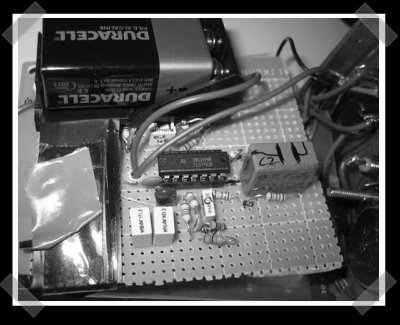
This one(coral cache) is a bit of a head slapper, but I thought it might come in handy. Laptop (or usb) serial ports are pretty notorious for being stingy on power output. [Roberto] came up with a clever solution. He used a MAX205 (sort of a double+ MAX232) and a singe capacitor to convert the low power serial connection on his laptop to a TTL signal and back again to RS-232. The result is a simple dongle that needs 5v and gives you a high power serial port for those power hungry devices – like [Roberto]’s PIC programmer.

Dive Computer Interface Hacking


Dive computers help divers keep an eye on bottom time and calculate nitrogen saturation during dives. Many of them, like the Suunto above have a built in provision for downloading dive data post dive. [CIBDiving] figured out a way to enable this missing feature on one of Suunto’s cheaper computers. The Gekko has the same pins as the more expensive units, but Suunto’s download manager won’t allow you to download the data. By using a simple software patch, [CIBDiving] tricked the software into pulling down the data.

You can buy a cable to pull down the data, or you can build your own serial or USB level shifting interface.

Laser Dance Pad


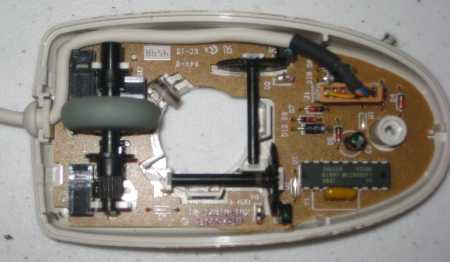
[A. Smyth] passed this along – it’s another take on the non-mechanical dance pad. The first prototype used IR detection, but apparently the hardware was flaky. The new version uses cheap laser pointer style diodes with photo detectors. Personally, I want to see one that breaks the laser into a line and collimates the resulting beam, and senses beam interference by measuring the intensity. (And it would look incredible with a fogger) The electronics are pretty simple – the photocells are interfaced with the guts of a USB game pad and breaking the beam creates a button push.

Capacitive Dance Pad


One of the ideas that’s been floating around my How-To bin for a couple of years is an under carpet zone switch dance pad. [sprite_tm] beat me to it in late 2006, and did it even better. He was using a QT160 chip – a nifty six channel capacitive touch sensor to make touch switches. Instead, he used an Atmel to duplicate the technology. He was able to place foil panels below his carpet. Step on one and it acts like you just closed a switch. The QT160 is now available, but the atmel he used is actually cheaper.

Adding USB To A Cheap Linux Router


[sprite_tm] usually sends this stuff in, but I discovered that he took some time to hack on a Sweex router. The CPU happens to have an on-board usb host controller, so he added a few components. Now the router can support memory sticks, or possibly become a USB print server. (I can’t say for sure since I haven’t checked out the software myself)
Update: the project was linked in a comment a while back, but we never gave it the attention it deserved. Enjoy.