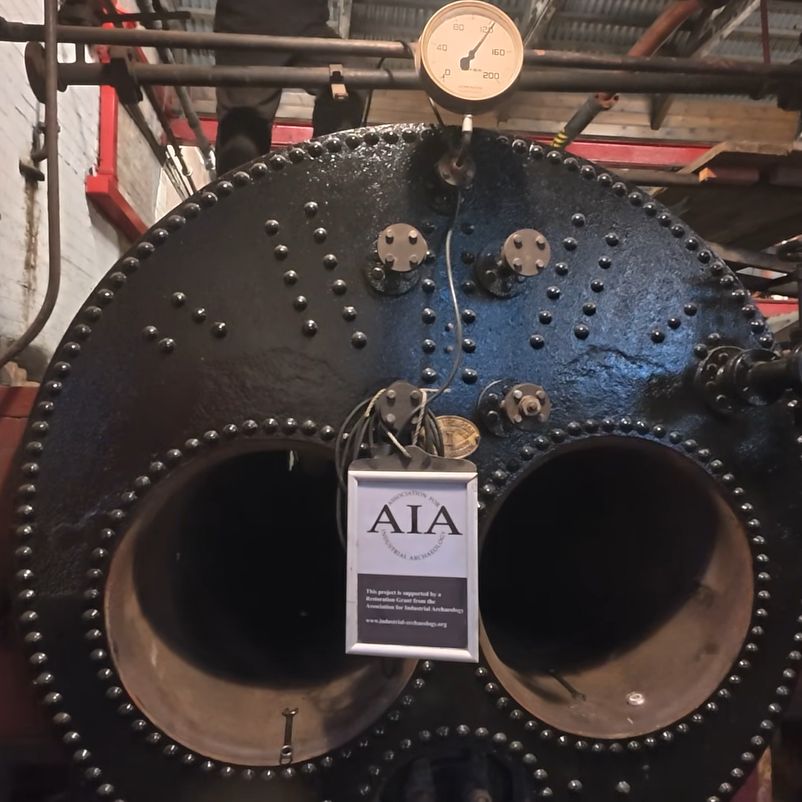
Continuing the restoration of the #1 Lancashire boiler at the Claymills Pumping Station in the UK, the volunteers are putting on the final touches after previously passing the boiler inspection. Although it may seem that things are basically ready to start laying down a fire after the boiler is proven to hold 120 PSI with all safeties fully operating, they first had to reassemble the surrounding brickwork, free up a seized damper shaft and give a lot of TLC to mechanisms that were brand new in the 1930s and last operated in 1971.
The damper shaft is part of the damper mechanism which controls doors that affect the burn rate, acting as a kind of throttle for the boilers. Unfortunately the shaft’s bearings had seized up completely, and no amount of heat and kinetic maintenance could loosen it up again. This forced them to pull it out and manufacture a replacement, but did provide a good look at how it’s put together. The original dial indicator was salvaged, along with some other bits that were still good.
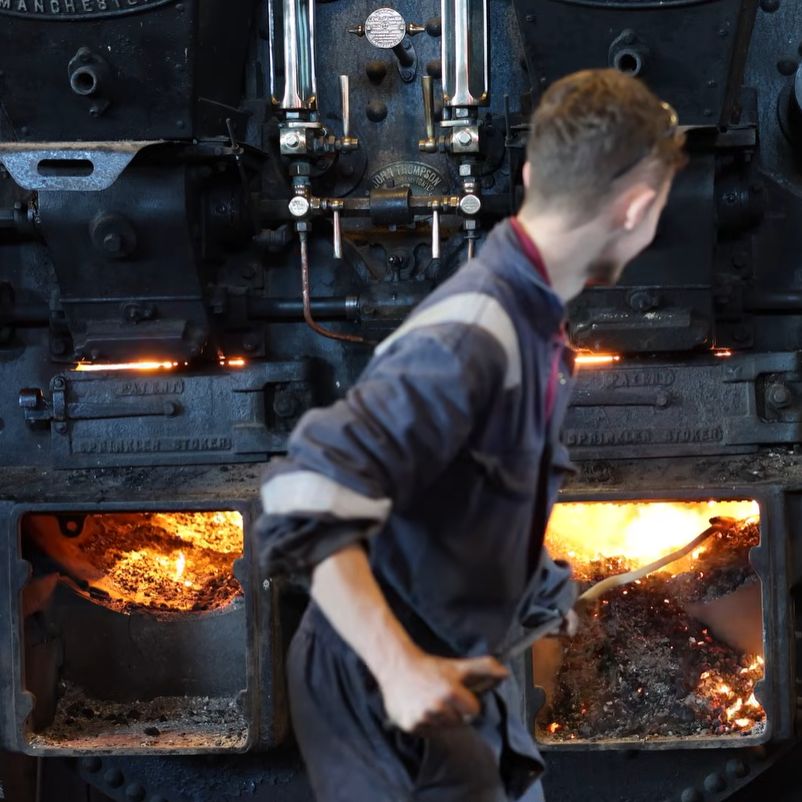
Next was to fit the cast-iron ash boxes that sit below the boiler and from where ash can be scraped out and deposited into wheelbarrows. The automatic sprinkler stokers are fitted above these, with a good look at their mechanism. The operator is given a lot of control over how much coal is being fed into the boiler, as part of the early 20th-century automation.
The missing furnace doors on the #1 boiler were replaced with replicas based on the ones from the other boilers, and some piping around the boiler was refurbished. Even after all that work, it’ll still take a few weeks and a lot more work to fully reassemble the boiler, showing just how complex these systems are. With some luck it’ll fire right back up after fifty years of slumbering and decades of suffering the elements.
Continue reading “Preparing To Fire Up A 90-Year-Old Boiler After Half A Century”