Rectal Oxygenation Could Save Your Life One Day

Humans have lots of basic requirements that need to be met in order to stay alive. Food is a necessary one, though it’s possible to go without for great stretches of time. Water is more important, with survival becoming difficult beyond a few days in its absence. Most of all, though, we crave oxygen. Without an air supply, death arrives in mere minutes.

The importance of oxygen is why airway management is such a key part of emergency medicine. It can be particularly challenging in cases where there is significant trauma to the head, neck, or surrounding areas. In these cases, new research suggests there may be an alternative route to oxygenating the body—through the rear.

Continue reading “Rectal Oxygenation Could Save Your Life One Day”

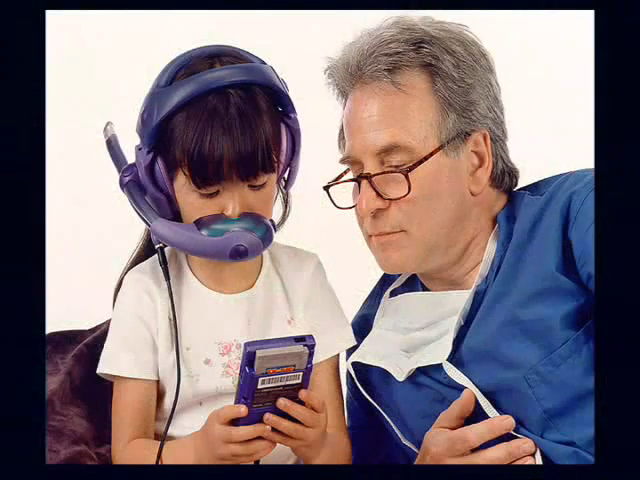
The PediSedate: A Winning Combination Of Video Games And Anesthesia

One can understand that it would be nice to have something to focus on while trying to remain calm ahead of a medical procedure. Credit: PediSedate

Once upon a time, surgery was done on patients who were fully conscious and awake. As you might imagine, this was a nasty experience for all involved, and particularly the patients. Eventually, medical science developed the techniques of anaesthesia, which allowed patients to undergo surgery without feeling pain or even being conscious of it at all.

Adults are typically comfortable in the medical environment and tolerate anaesthesia well. For children, though, the experience can be altogether more daunting. Thus was invented the PediSedate—a device which was marketed almost like a Game Boy accessory intended to deliver anaesthetic treatment in order to safely and effectively prepare children for surgery.

Continue reading “The PediSedate: A Winning Combination Of Video Games And Anesthesia”

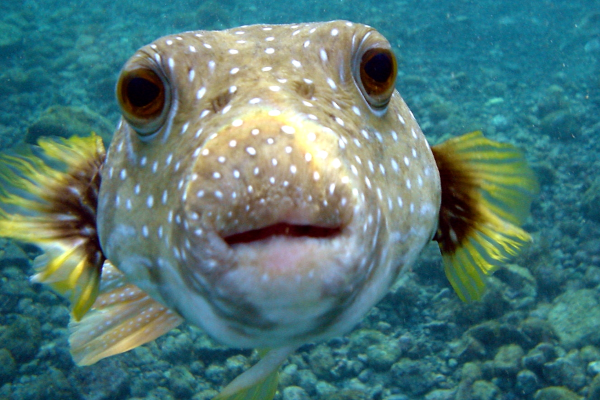
Pufferfish Venom Can Kill, Or It Can Relieve Pain

Tetrodotoxin (TTX) is best known as the neurotoxin of the puffer fish, though it also appears in a range of other marine species. You might remember it from an episode of The Simpsons involving a poorly prepared dish at a sushi restaurant. Indeed, it’s a potent thing, as ingesting even tiny amounts can lead to death in short order.

Given its fatal reputation, it might be the last thing you’d expect to be used in a therapeutic context. And yet, tetrodotoxin is proving potentially valuable as a treatment option for dealing with cancer-related pain. It’s a dangerous thing to play with, but it could yet hold promise where other pain relievers simply can’t deliver. Continue reading “Pufferfish Venom Can Kill, Or It Can Relieve Pain”

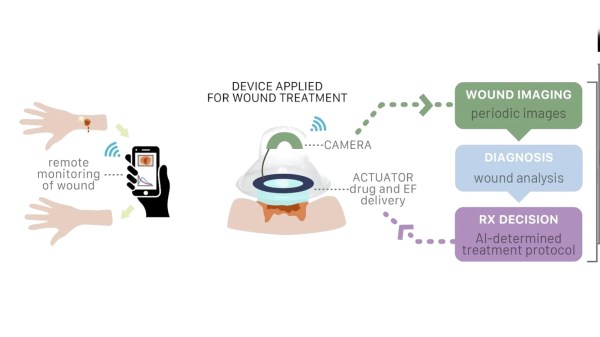
Smart Bandage Leverages AI Model For Healing Purposes

If you get a small cut, you might throw a plastic bandage on it to help it heal faster. However, there are fancier options on the horizon, like this advanced AI-powered smart bandage.

Researchers at UC Santa Cruz have developed a proof-of-concept device called a-Heal, intended for use inside existing commercial bandages for colostomy use. The device is fitted with a small camera, which images the wound site every two hours. The images are then uploaded via a wireless connection, and processed with a machine learning model that has been trained to make suggestions on how to better stimulate the healing process based on the image input. The device can then follow these recommendations, either using electrical stimulation to reduce inflammation in the wound, or supplying fluoxetine to stimulate the growth of healthy tissue. In testing, the device was able to improve the rate of skin coverage over an existing wound compared to a control.

The long-term goal is to apply the technology in a broader sense to help better treat things like chronic or infected wounds that may have difficulty healing. It’s still at an early stage for now, but it could one day be routine for medical treatment to involve the use of small smart devices to gain a better rolling insight on the treatment of wounds. It’s not the first time we’ve explored innovative methods of wound care; we’ve previously looked at how treatments from the past could better inform how we treat in future.

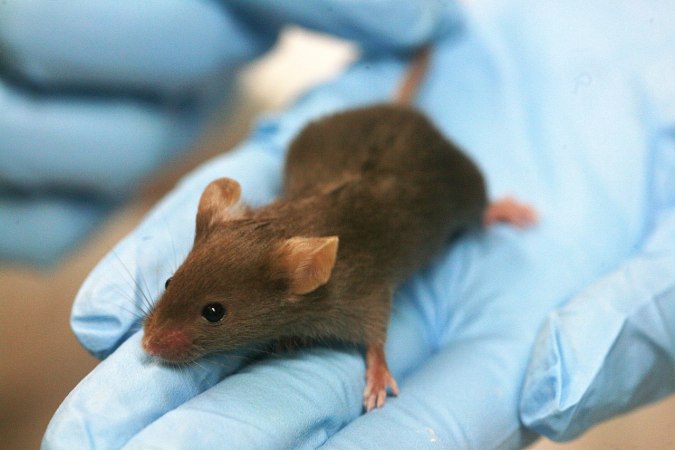
Hacking T Cells To Treat Celiac Disease

As there is no cure for celiac disease, people must stick to a gluten free diet to remain symptom-free. While this has become easier in recent years, scientists have found some promising results in mice for disabling the disease. [via ScienceAlert]

Since celiac is an auto-immune disorder, finding ways to alter the immune response to gluten is one area of investigation to alleviate the symptoms of the disease. Using a so-called “inverse vaccine,” researchers “engineered regulatory T cells (eTregs) modified to orthotopically express T cell receptors specific to gluten peptides could quiet gluten-reactive effector T cells.”

The reason these are called “inverse vaccines” is that, unlike a traditional vaccine that turns up the immune response to a given stimuli, this does the opposite. When the scientists tried the technique with transgenic mice, the mice exhibited resistance to the typical effects of the target gluten antigen and a related type on the digestive system. As with much research, there is still a lot of work to do, including testing resistance to other types of gluten and whether there are still long-term deleterious effects on true celiac digestive systems as the transgenic mice only had HLA-DQ2.5 reactivity.

If this sounds vaguely familiar, we covered “inverse vaccines” in more detail previously.

Inverse Vaccines Could Help Treat Autoimmune Conditions

Autoimmune diseases occur when the immune system starts attacking the body’s own cells. They can cause a wide range of deleterious symptoms that greatly reduce a patient’s quality of life. Treatments often involve globally suppressing the immune system, which can lead to a host of undesirable side effects.

However, researchers at the University of Chicago might have found a workaround by tapping into the body’s own control mechanisms. It may be possible to hack the immune system and change its targeting without disabling it entirely. The new technique of creating “inverse vaccines” could revolutionize the treatment of autoimmune conditions.

Continue reading “Inverse Vaccines Could Help Treat Autoimmune Conditions”

Revisiting Folk Wisdom For Modern Chronic Wound Care

In the constant pursuit of innovation, it’s easy to overlook the wisdom of the past. The scientific method and modern research techniques have brought us much innovation, which can often lead us to dismiss traditional cultural beliefs.

However, sometimes, there are still valuable kernels of truth in the folklore of yesteryear. This holds true in a medical study from Finland, which focused on the traditional use of spruce resin to treat chronic wounds, breathing new life into an age-old therapy.

Continue reading “Revisiting Folk Wisdom For Modern Chronic Wound Care”