CIA’s World Factbook Is Gone

Before the Internet, there was a certain value to knowing how to find out about things. Reference librarians could help you locate specialized data like the Thomas Register, the EE and IC Masters for electronics, or even an encyclopedia or CRC handbook. But if you wanted up-to-date info on any country of the world, you’d often turn to the CIA. The originally classified document was what the CIA knew about every country in the world. Well, at least what they’d admit to knowing, anyway. But now, the Factbook is gone.

The publication started in 1962 as the classified “The National Basic Intelligence Factbook,” it went public in 1971 and became “The World Factbook” in the 1980s. While it is gone, you can rewind it, including a snapshot taken just before it went dark on Archive.org.

Continue reading “CIA’s World Factbook Is Gone”

Old Textbooks Galore

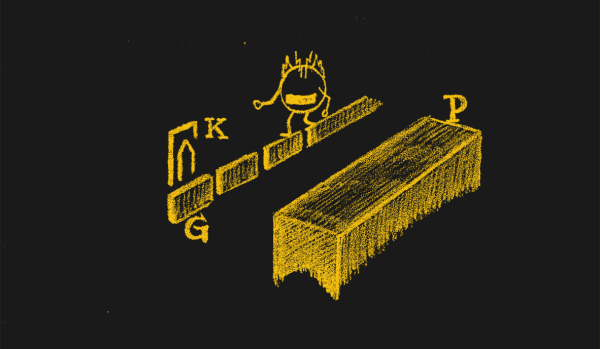
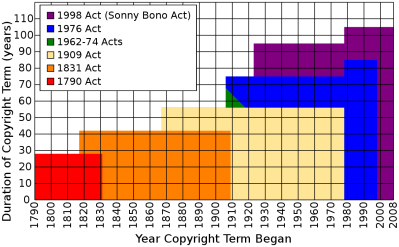
This collection of public domain books proclaims to not be about survival, but for survivors. It is a extensive collection of text books, manuals, etc., in over 150 categories from Accounting to Woodworking. Because of the copyright duration laws, most are around one hundred years old.

You might not want to have your appendix removed by someone who has only learned surgery from reading Dr John Sluss’s 1908 tome, “Emergency Surgery for the General Practitioner, with 584 illustrations, some of which are printed in colors“. But some knowledge is timeless. And much is of historical interest as well, helping us get a better appreciation of what bodies of knowledge people had in the beginning of the last century. There are books on farming, forging and casting, steam engines, clockmaking, telegraph and telephone, and even back issues of Scientific American and 73 magazines, just to name a few.

Here’s a random sampling of a few illustrations from electronics-related books.

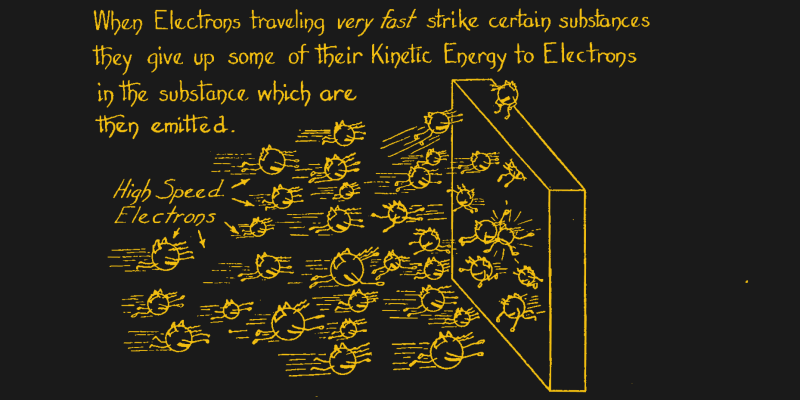
High speed electrons from “Inside the Vacuum Tube” by John F. Rider, 1945, a relatively modern book from this collection. This book alone is worth downloading just to see the excellent illustrations. Mr Rider wrote so many technical books that he formed his own publishing company.

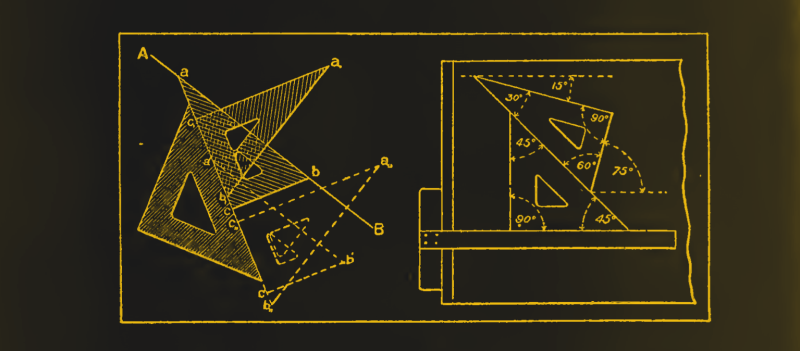
Using triangles from “Mechanical Drawing, Prepared for the Students of the Massachusetts Institute of Technology” by Linus Faunce, 1898.

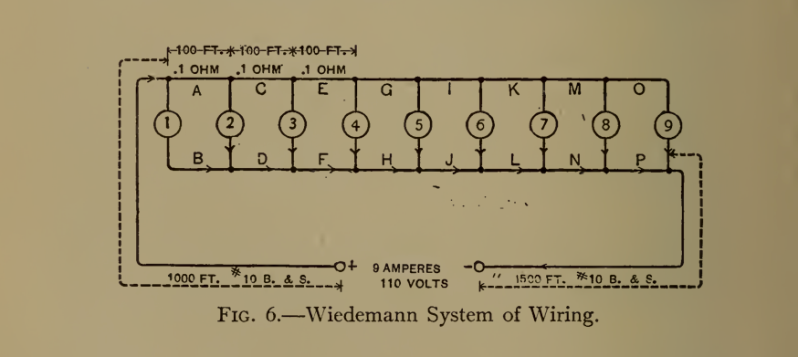
The Weidemann system of wiring lamps, from “Electric-Wiring, Diagrams and Switchboards” by Newton Harrison E.E., published in 1906, complete with “one hundred and five illustrations showing the principles and technics of the art of wiring”. This system employed equal lengths of wires between each lamp in a (failed) attempt to make the voltage drop the same for each bulb.

Do you have any timeless reference or text books you like to use? Let us know down below in the comments. And thanks to [David Gustafik] for the tip.