A constant in film and TV if you work with technology is to continually see wildly inappropriate depictions of it on screen. Whether it’s all those hacking scenes in which the teen wizard mashes a keyboard and instantly gains access to the military grade computer system, the infamous NCIS sequence in which two people work simultaneously on the same keyboard, or CSI‘s magical video enhancement technology, we’ve seen it all. But there’s one area of technology which surprisingly has had a few accurate portrayals on screen, and that’s amateur radio. Yes, just sometimes, film crews do their homework.
Comedy, Hero, or Excentric. Which Are You?
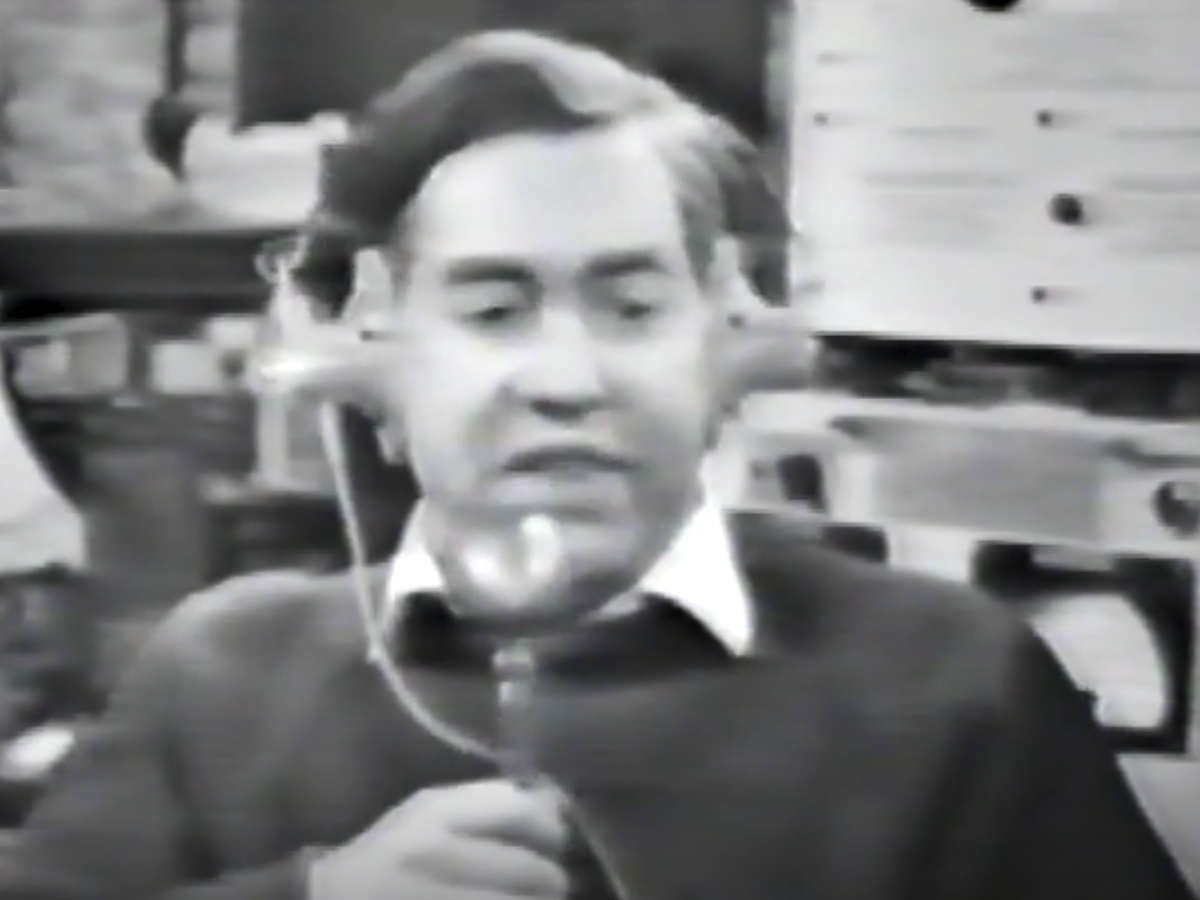
Writing this from the rainy edge of Europe, the depiction of a radio amateur non screen that first comes to mind dates from the early 1960s. The British comedian Tony Hancock devoted a whole episode of his series to it, in which he plays an inept operator with hilarious consequences. It’s not in any way accurate and some of the comedy is … dated, but it’s interesting to watch. There’s a whole genre of comedic episodes featuring the hobby, in researching this piece I found a 1965 episode of The Munsters in which Herman minstakes some kids at play for real Martians, and a Simpsons episode in which Principal Skinner is revealed to have a licence.
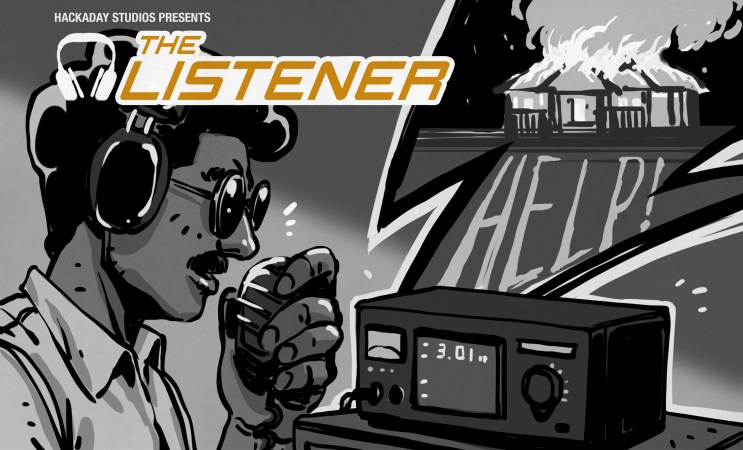
But amateur radio as a source of comedy isn’t the only genre at play. Radio amateurs are often depicted as heroic rescuers or communicators. alternately sending help to shipwrecked mariners, solving crimes, or providing emergency comms. In 1969’s The Red Tent starring Sean Connery for example a Russian radio amateur picks up a distress call from an airship crash, while in 2008’s The Bank Job is based on the true story of a London robbery in which a radio amateur heard the radio comms of the criminals. I’m sure many of you meanwhile will have seen Independence Day, in which radio amateurs use Morse code as a last ditch global communication system.
Probably the most frequent depiction though is through science fiction. 1996’s Phenomenon for example has amateur radio associated with paranormal events, and in a more comedic vein, 1980s TV’s ALF follows an amateur radio signal to Earth. Meanwhile The X Files has multiple episodes peripherally featuring the hobby, after all, us radio amateurs know the truth is out there, right?
There Are More Radio Amateurs In The Movie Business Than Hackers
Through all of this, when compared to hacking scenes in movies and TV, amateur radio gets off lightly when it comes to accuracy. Tony Hancock’s performance may be more comedy than radio, but frequently there have been real radio amateurs involved in the production somehow. Principal Skinner’s callsign is one previously held by the show’s executive producer David Mirkin for example, and the ARRL have some comments on the accuracy of 2011’s Super 8. Perhaps this is because people with the skills to be thought of as hackers by movie production crews tend to have jobs in allied fields and never come near a movie set, while radio amateurs are more widely spread among the population. The chances of a radio amateur being in proximity to a film set are high, while the chances of a hacker? No chance, the lights are too bright.