
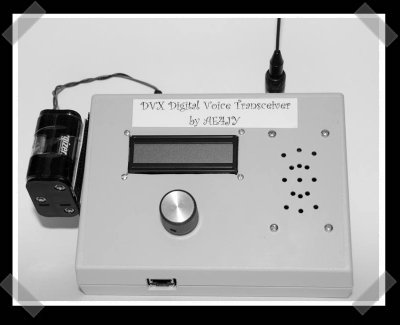
[dk] sent in the DVX project. It’s a complete D-STAR implementation that’s built around a digital transceiver chip, an ATMEL mcu and a digital voice compression chip. Compared to most digital radio’s I’ve seen, this one is pretty simple. The really complex action lives in the main chips with a bunch of caps and resistors to support them. Watch out for Digikey’s pricing – it looks like a major gouge after looking at the tx/rx chips on Analog Device’s site. If you get them at a decent price, they could make great rf links for your projects. The link to the paper seems a bit broken, but here’s the correct one.
Portable Audio Hacks105 Articles
IPod Laptop AKA ITop (take Two)
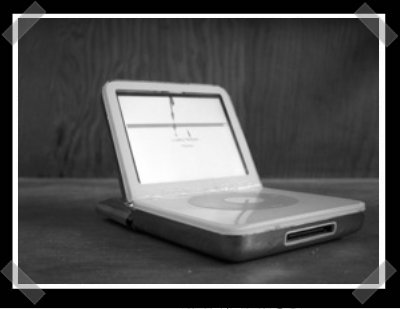
It wasn’t [Ben Heck] this time. [Owen] sent in his modded iPod. Once the warranty was voided by some breakage, he decided to make sure it was *really* void. The fold is limited by the length of the wires – but I can’t tell from the description or pictures if he actually hinged it.
Update: I’m re-posting this thanks to some funky cms bug…
Preamp Recycling
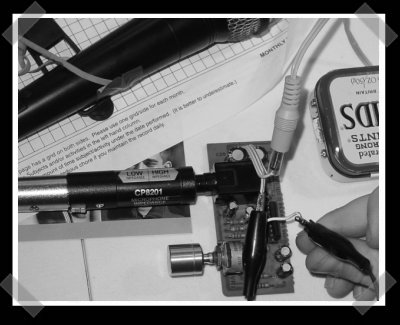
[lgbsneak] found a good source of pre-amps to fill his needs. Some older receivers, like his old Kenwood KA-305 have modular pre-amps. So it’s just a matter of ripping out, powering it up and tossing it into an enclosure. Now he’s got a handy 9v battery powered pre-amp for field work.
Zune Antenna Extension
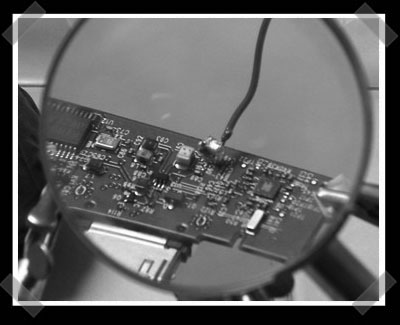
[Dyer13] sent in his Zune antenna mod. It’s a simple one, but we haven’t seen too many Zune mods yet. It’s really just a matter of adding more surface area to the transmitter. I’d suggest adding a wire that’s actually tuned to an appropriate wavelength. If you want something with a bit more power, check out this Belkin Tunecase power upgrade.
Ben Heck’s Wii Laptop On Engadget
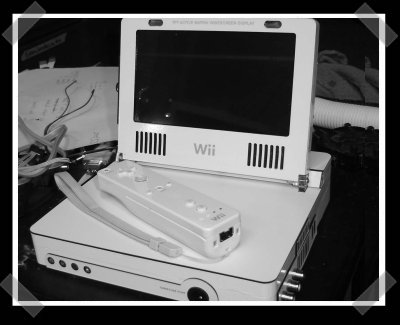
[Ben Heckendorn] put together this little beauty on engadget. It’s not quite as over the top as the XBox 360 laptop, but there’s a reason for that. He’ll be putting up a How-To series covering the construction. If you’ve been pondering building a portable yourself, it’ll be a nice jump start for your hardware hacking skill-base.
OpenTom – Roll Your Own TomTom Distro
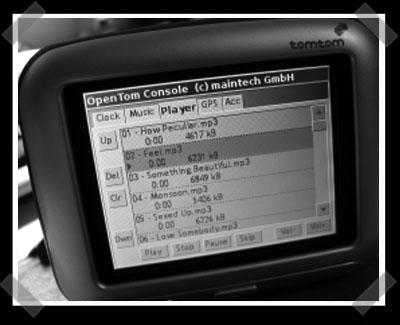
TomTom already runs Linux. The OpenTom project (Internet Archive Link as of 2022) has documented the hardware and software to allow custom software builds to run. The Wiki covers everything from build tools to hardware connections. So far, a mp3 player has been released using the build tools. Hmm, I might have to pick one up to develop on myself.
Thanks to [kniVes788] for the tip.
Solar Backpack Ipod/usb Charger
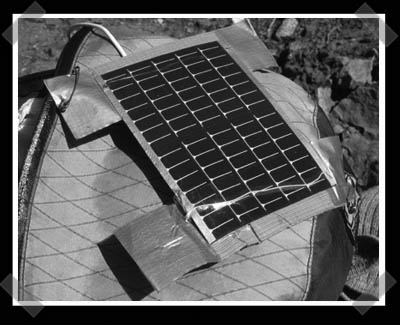
Jason sent me his solar ipod charger how-to. The regulator may not be neccesary – but there are so many models, I don’t know if the new Nano’s hold up to the old power input standard. He put a 7805 regulator on a 6v 100ma flexible panel that he mounted on his backpack. I’ve seen this sort of thing on a shuffle before, but this one should work for most iPods. USB power management sometimes shoots itself in the foot, but iPods are willing to pull power if it’s not present. It’s nice, clean and simple. I’d consider adding some high temp hot glue (or epoxy)to keep the soldered connections from breaking.








