HOW-TO: Portable Car Pc

car pc
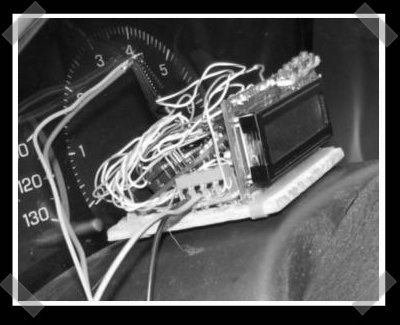
Today’s project comes from reader Douglas J. Hickok. A practical, portable car computer design it is intended to be easy to use in the car, but also easily removable.

A practical, portable car computer design
By Douglas J. Hickok

Introduction

What do you think of when I say “car computer”?  An expensive special piece of hardware that’s permanently mounted in a hidden spot in your car?  Probably?  For the last six months, I’ve been designing and building a portable computer.  By portable, I mean it can be plugged in as an ad-hoc server, workstation, media player, or GPS navigator just about anywhere — including my car.  Even though it was designed mostly as a car computer, who said it had to stay in my car?  And at the cost of a typical desktop system, why should it stay on my desk?  Car computers aren’t just for the rich anymore?

Continue reading “HOW-TO: Portable Car Pc”

Camper Avionics Engine Monitor

avionics

A 1976 GMC camper is probably one ot the last things that you’d expect would ever leave the earth. That doesn’t mean it can’t be improved by an engine monitor originally intended for an airplane. The device measures exhaust gas temperature on each individual port, water temperature, engine rpm and speed. Alarms can be set for each input and the device gives vocal warnings when these levels are reached. There are a lot of other gadgets he’s added to his vehicle on the site (i.e. computers, tire pressure monitors, and cameras). So, have a look around.

[thanks Bird603568]

Continue reading “Camper Avionics Engine Monitor”

MegaSquirt EFI

megasquirt

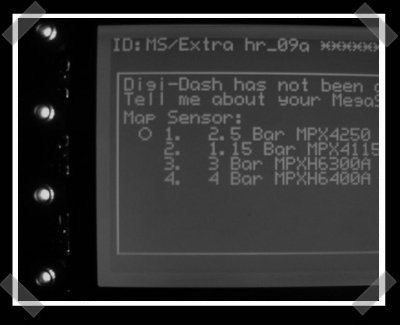
The MegaSquirt electronic fuel injection system has a completely open design to allow for easy construction and tweaking.  The project has been around for quite a while and has a well established user community with many success stories. The open design means you can construct a unique fuel injection system; You can combine high performance parts with OEM parts from various manufacturers because the device has been designed from the ground up to be flexible. The MegaSquirt is well documented and you’ll be fully aware of what you are getting yourself into before you take the plunge.

For some more auto fun check out the latest Packet Sniffers episode.

Continue reading “MegaSquirt EFI”

DIY Nitrous Oxide Injection

nos

Well, it seems like our last two Saturdays of automotive hacks have been keeping you interested, so we’re going to keep it up. By popular demand: Here is a guide to building your own nitrous oxide injection system.  The nitrous oxide molecule has a better oxygen/nitrogen ratio than normal air so it is more useful for the combustion process. The site describes all of the components you will have to gather to build a fully functional system and has instructions for modifying stock parts for better performance. Nitrous is really hard to use properly and I can’t imagine someone putting one of these together without some experience with a commercial unit first. Nitrous can lead to really high cylinder pressures and temperatures; so, be careful or you’ll just end up with an aluminum foundry.

[thanks XyTec]

Continue reading “DIY Nitrous Oxide Injection”

Home Built Water Injection

water injection

Okay, so you’ve built your manual boost controller and want to know what to add next? Water injection is the answer. Okay maybe if the original question was “what’s the last thing you want to spray into your engine?” On turbo cars water injection helps cool the injection charge as it enters the engine. Compressing air generates a lot of heat and the hotter the air/fuel mixture is when it enters the engine the more likely it is to detonate. You can use a water/alcohol mixture to cool your intercooler or you can spray it into the intake air. This guide shows you how to assemble a home built water injection system that has been proven to reduce intake temperatures by 90F. It also includes notes on how to do this without hydrolocking your engine. Handy!

Continue reading “Home Built Water Injection”

Manual Boost Controller

turbo

Building a boost controller is a “slippery slope” sort of mod. Once you complete this you’re just going to want/need to modify something else in the system. A turbo-charger improves the performance of an engine by cramming as much air and fuel into the engine as possible. The engine exhaust drives an impeller in the turbo which drives the compress wheel in the intake path. Engines can’t handle extreme pressures so once the intake pressure reaches a factory set point a “waste-gate” opens to let the exhaust gas bypass the drive impeller so the turbo won’t produce any more boost. Factory boost settings a usually very conservative (otherwise, they’d be doing a lot of repairs) so there is a lot of potential for improvement.

A manual boost controller is placed in the path of the waste-gate’s sensor. The controller bleeds off some of the pressure in the line so that the pressure measured at the waste gate is lower than actual. This tricks the waste gate into staying closed longer than usual so a higher level of boost is reached. They’re really cheap to build, but the most important expense in this project is to getting accurate boost gauge. A little bit of bleed goes a long way and there is no way to tell where you are at without a proper gauge. DSMtuners has quite a few articles on how to build these devices and should work on almost all turbo cars.

Continue reading “Manual Boost Controller”

DIY Recumbent Bicycle

recumbant bicycle

Bill Dudley built this recumbent out of a 20″ bmx bike and a 27″ bike that he found on the side of the road. The only specialized part used was an idler from a commercial recumbent. Bill says the most difficult part was constructing a comfortable seat. It apparently works pretty well; He’s completed several metric centuries (100km/63 miles) on it. I think the first recumbent I ever saw as a child was the BEHEMOTH, which is in class of its own.

[thanks Bill]

Continue reading “DIY Recumbent Bicycle”