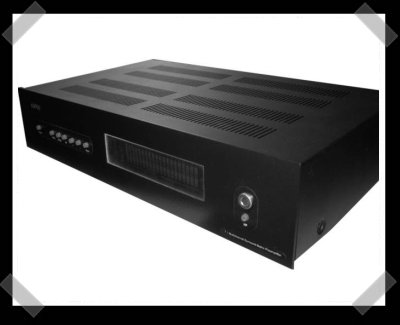
[Dane] built this excellent home theater pre-amplifier. He used [Mark Hennesy]’s pre-amp design to start with, and added selectable XLR, RCA, SPDIF and even USB audio inputs. Discrete inputs from his DVD player provide surround input, and an analog matrix creates 7.1 surround from the 5.1 input. The design is very elegant, and even uses a VFD display that appears blue with some filters. I usually just buy my HT gear, but projects like this make me seriously consider re-building my entire HT from scratch.
diy435 Articles
Digital Geiger Counter
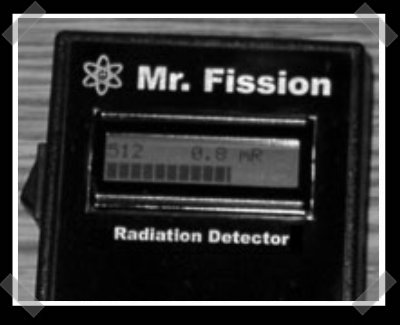
Worried about radiation levels? I’m not, but I still want to build one of these. Mr. Fission here was built by the same guy that’s behind the OpenTracker project. [Scott] based it on the Bargraph Geiger counter built by [Russel E. Cliff]. Both use a standard Geiger tube like the LND712. The tube works with high voltages – easy enough with older electronics, but it’s a slightly tougher challenge with todays low voltage gear. [Scott] used the high voltage power supply from the original project, and built the rest around a good ol’ Motorola HC86 series processor. [Scott]’s idea of using an inverter supply designed for a cold cathode lamp is definitely an interesting one.
Pulse Soldering Iron
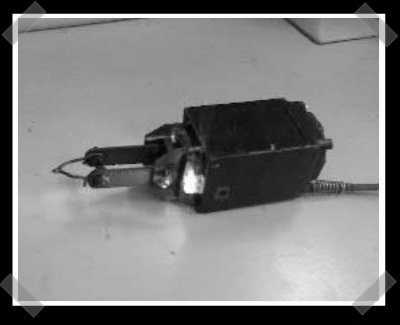
I’m always interested in new ways to solder. [SPman] sent in this diy pulse soldering iron. It heats up in 5 seconds on demand, then cools in about 15. The writeup is a bit terse (since it’s translated from Russian), but it would definitely be handy for larger wiring jobs. The transformer is hand wound, and an oscillation driver forms a sort of crude frequency modulation to run the MOSFETS that drive the heating elements. I’d keep it away from delicate electronics unless you’re confidant of the temperature stability. It was designed for 220V, so you’d need to modify the transformer a bit to get similar performance on a 110V circuit.
Solid State Amp (with Style)
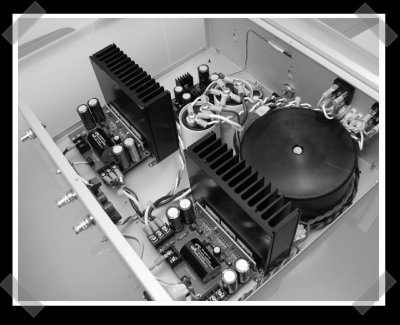
[Jesse] sent in this beautiful 300 watt amp project. It uses six LM3886 amps to create a pair of 150 watt amps that are bridged to create a single 300 watt amplifier. Usually I don’t mind my lack of multi-language ability, but many of the parts were sourced from this site. It looks like the cases were bought in Hong Kong, anybody know were I could get some in the US?
DIY Condensor Microphone
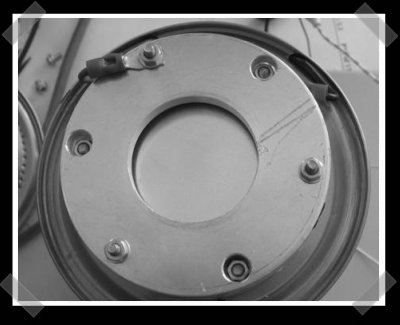
[wiesi] sent in his latest condenser mic. Rather than use pre-built components, he built from scratch (except the discrete components). He’s on his second iteration, and things look pretty good. This tends to be the sort of project that amateur radio guys go for… oh wait, I am one.
Tiny Oscilloscope
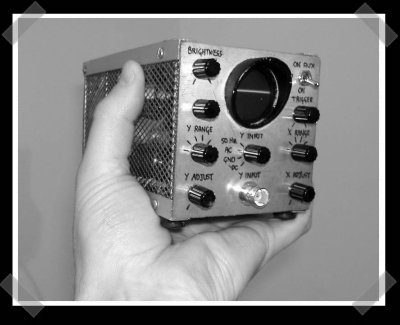
This little o-scope is built entirely using valves (tubes), built by [Ian Wilson] and [Hans Summers]. [Hans]’ site covers everything from monitor gutting to a Z80 viscometer, it’s worth taking some time to poke around. Thanks to [Elliot] for sending in this one on the tips line.
DIY Frequency Meter
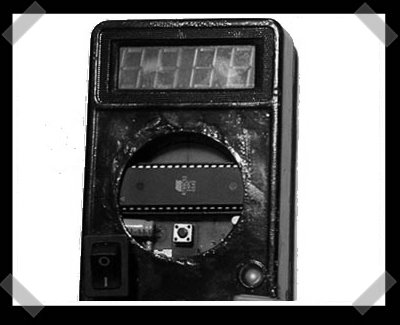
[Wolf] sent in this site a while back, and I thought that this frequency meter how-to looked pretty useful. It’s based on an Atmel AT89C52 and a gutted multi-meter. The circuit isn’t too bad. (The worst of it has to be all the display lines.) The Atmel grabs the signal to be measured and drives the display, so the parts count is pretty low.