Teardown Of Dangerous Fake Wago Connectors

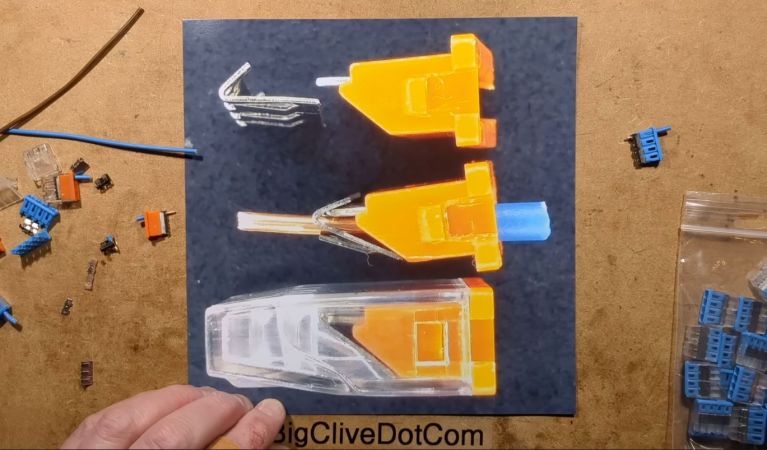
Everyone loves Wago connectors for how versatile and effective they are for quickly and securely connecting conductors, but it can be tempting to buy a bag of the significantly cheaper knock-offs. The reason why this can be a terrible idea is explained by [Big Clive] who tore down a few bags of them to ogle at their internals.

The main problem with some of these knock-offs is the way that they use the plastic molding as part of the structure that holds the conductors in place. Over time this plastic will develop larger tolerances, with heat developed from passing large currents speeding up the process. As the examined type of connector relies on metal clamps that securely push the conductor onto the busbar, having the plastic weaken, and the clamp correspondingly loosen up, is clearly not a desirable scenario.

As [Clive] says in the video, you’re probably okay using these cheapo knock-offs for a quick test on the bench, but you should never put them in a permanent installation. Not just due to potential fiery scenarios, but also for insurance claims should the worst come to pass, and the insurance company finds dodgy connectors everywhere in the electrical wiring. This isn’t the first we’ve heard of knock-off Wago problems.

Continue reading “Teardown Of Dangerous Fake Wago Connectors”
Wago’s Online Community Is Full Of Neat Wago Tools

Wago connectors are somewhat controversial in the electrical world—beloved by some, decried by others. The company knows it has a dedicated user base, though, and has established the Wago Creators site for that very community.

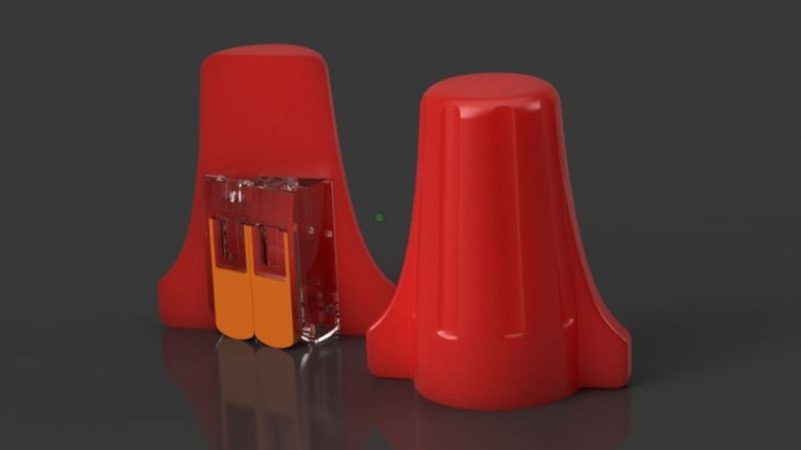
The idea behind the site is simple—it’s a place to discover and share unique little tools and accessories for use with Wago’s line of electrical connectors. Most are 3D printed accessories that make working with Wago connectors easier. There are some fun and innovative ideas up there, like an ESP8266 development kit that has a Wago connector for all the important pins, as well as a tool for easily opening the lever locks. Perhaps most amusing, though, is the project entitled “Hide Your Wago From Americans”—which consists of a 3D-printed wire nut lookalike designed to slide over the connectors to keep them out of view. There’s also a cheerful attempt at Wago art, that doesn’t really look like anything recognizable at all. Oh well, they can’t all be winners.

It’s great to see Wago so openly encouraging creativity among those that use its products. The sharing of ideas has been a big part of the 3D printing movement, and Wago isn’t the first company to jump on the bandwagon in this regard. If you’ve got some neat Wago hacks of your own, you can always let us know on the tipsline!

[Thanks to Niklas for the tip!]