Hard Drive Destruction Plan

[youtube=http://www.youtube.com/watch?v=jhfF2Et77aw]

[Wolf] emailed us to show us his Self destructing Hard Drive tutorial. He’s using thermite, like we did, but he’s put a little more effort into the delivery system. In the video, you can see a huge spray molten iron. This is because his “jet”, the block of wood hollowed out to focus the thermite on to the hard drive didn’t hold a seal at the top. Not too bad for try #1. He could probably build this to be more contained, but even then it will most likely turn into “entire self destructing office” if it were to actually be used. A little common sense goes a long way here folks, this is molten metal and is extremely hot and dangerous.
Free Laundry Redux

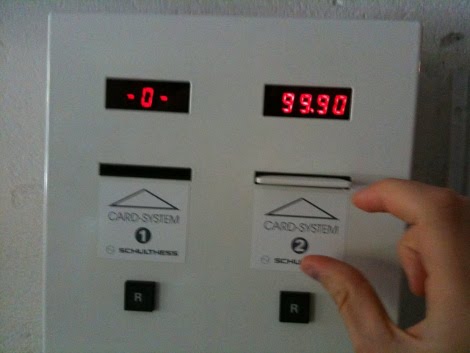
[Koala] was worried his pseudo smart card trick wouldn’t be considered a HackaDay worthy. We’re more worried the internet police will find this article and have us all tarred and feathered.

Jokes aside, it seems Laundromat owners sure aren’t learning. Long story short, using a Bus Pirate and a few techniques we’ve seen before for smart card hacking [Koala] is able to write whatever amount he needs onto his pseudo smart card; thus giving him a free load of laundry.

No Touch LED Lamp

[youtube=http://www.youtube.com/watch?v=8wV2UIOV1Fk]

This elegant looking lamp uses capacitance sensing to turn on and off. [Mikey77] takes us through the process of making the curved circuits and putting it all together. The circuit is built to be modular, so he could use it elsewhere. That’s a pretty good idea for someone who is always tossing projects together. As usual, schematics are available in the instructable. We love this design and would proudly use this at our office desk.

Robostool Follows You To Your Chair

[youtube=http://www.youtube.com/watch?v=yF6ZL-WerYo]

[Steve] shares another project with us, this time a robotic foot stool. A Parallax Propeller micro controller, some linear actuators, servos, and a slew of sensors are enclosed in this vinyl covered cube. It has 3 modes, remote control, follow me (seen in the video above), and come to the beacon. This, along with [Steve]’s other creations make us think that his ultimate goal is to have a house full of servant bots eager to carry out every task that would pull him from his chair. That seems like a noble goal to us. You can download source code and schematics from his site. Join us after the break to see more pictures and videos of Robostool.

Continue reading “Robostool Follows You To Your Chair” →

OLED Hack Saves Juice On Nexus One

Want to really stretch the battery life on your phone? If you have an OLED display [Jeff Sharkey] may have the answer. He did some testing with his Nexus One to see if color alterations can save on current. Darker colors draw less amperage and he found that the red pixels are the most efficient. He did a little work with SurfaceFlinger, which handles the display on Android devices to make this easy, but what will you get by going red? He measured that using only the red pixels dropped the current use down to 35% of what the full color display was pulling. This reminds us of those efforts to save energy by running a black background with Google. Whether you use it or not his post is an interesting read.

Tomato Irrigation

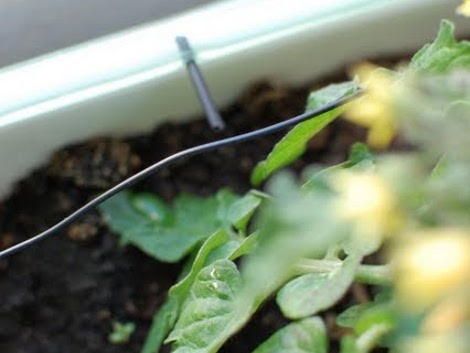
No hack will be more readily accepted by the significant other more than an automated vegetable watering system. [Jouni’s] homemade rig keeps those tomatoes happy with just the right amount of moisture. A bucket serves as the reservoir, a submersible pump gets the water to the soil through a bit of plastic hose. An Arduino monitors the soil sensor, watering and tweeting about it when things dry out too much. Don’t miss the soil moisture sensor post if you need some tips on how to get that end of things working. The rest is pretty straightforward.