Window Unit Turned PC Water Cooler


I almost passed this one up because it was shotgunned across a few blogs, but it would be a shame to pass up on a good hack. [Mike] decided to use a standard window AC unit to cool the CPU in his rig. The A/C unit was modified to place the evaporation coil inside a fish tank filled with glycol/water antifreeze coolant. To cool the CPU, he used a normal water block, but insulated the coolant lines between the cooling unit and the machine. That should give you the idea. For more details, have fun deciphering his project in pictures. [via]

Bonus: [Johnny] sent in the NASA workmenship guide. It’s pretty interesting to see what the space boys require for their electronics work.

Cheap 360 Degree Head Tracking


[Joel] sent in his efforts to build an inexpensive 360 degree head tracking display. He’s using a Playstation six axis controller as the key to his helmet tracking system. The demo is short and to the point. He’s using the usual Glovepie driver to provide the software interface and what looks like off the shelf hardware on the helmet.

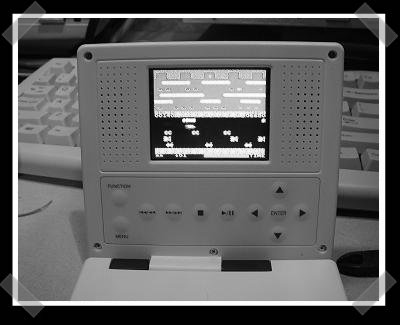
What really grabs my attention is the low cost of getting into VR now. Assuming that you own a computer, you can build your own VR setup for the cost of a Playstation controller and a cheap heads up display. (Remember these?)

Personal (IR) Radar


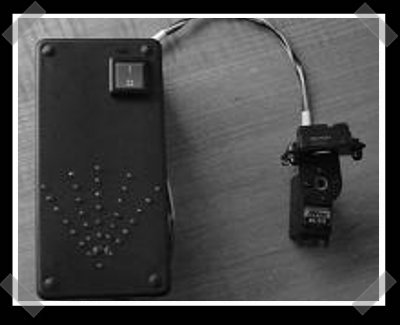
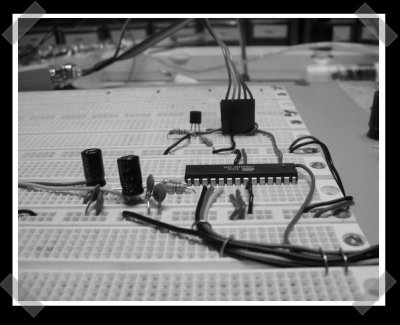
[chris] sent in this inexpensive personal radar project. It uses a servo mounted IR range finder to locate and display the distance to an object. (Lake a parked car as shown in the demo video) The project is destined for some robotics projects – and who doesn’t love LED display proximity sensors. It makes me think of the direction finders in every other 80’s action movie. It’s gotten some attention on Digg, but I like it for the inexpensive build and the excellent use of a PIC 18F452.

DMX Light Control For Home Automation


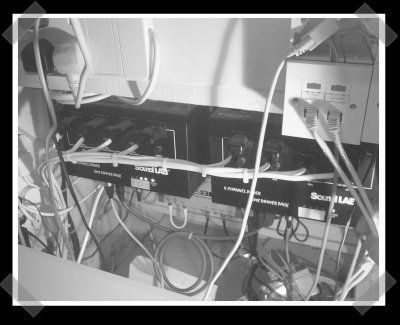
Generally, the only time I’ve ever seen DMX in use is for stage productions. [Dan] sent in his home light control project – he used a RS-232 to DMX interface and a bunch of commercial DMX dimmers. His light switches were replaced with potentiometers connected to the system via CAT5 cabling. The POTs send 0-10v up the line to the dimmers, and the manual control can override the automated(DMX) settings. The system is simple, robust and responsive – avoiding the delay pitfalls usually incurred by systems like X10.