
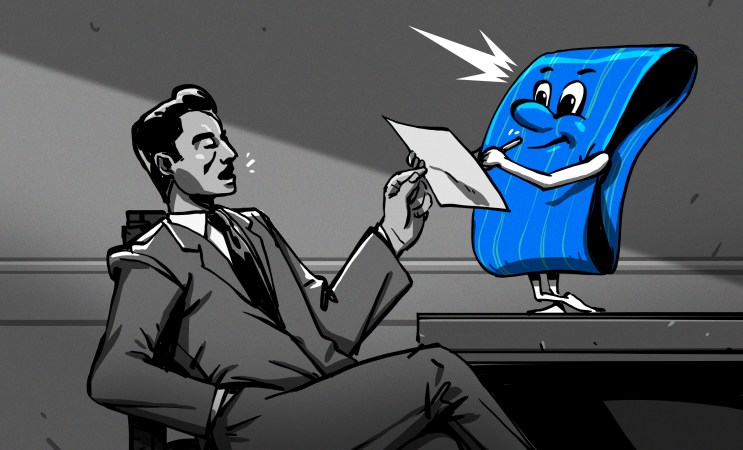
Today, it is hard to imagine a world without recorded audio, and for the most part that started with Edison’s invention of the phonograph. However, for most of its history, the phonograph was a one-way medium. Although early phonographs could record with a separate needle cutting into foil or wax, most record players play only records made somewhere else. The problem is, this cuts down on what you can do with them. When offices were full of typists and secretaries, there was the constant problem of telling the typist what to type. Whole industries developed around that problem, including the Dictaphone company.
The issue is that most people can talk faster than others can write or type. As a result, taking dictation is frustrating as you have to stop, slow down, repeat yourself, or clarify dubious words. Shorthand was one way to equip a secretary to write as fast as the boss can talk. Steno machines were another way. But the dream was always a way to just speak naturally, at your convenience, and somehow have it show up on a typewritten page. That’s where the Dictaphone company started.









