Bubbloo Interactive Floor Display


Bubbloo is an interactive display at the Denver Art Museum. They appear to be embracing a more interactive approach to displaying some of their art and information. One of their displays, shown above, features a pair of projection systems working together to make a game. As you pop the bubbles, the artwork is displayed. You can see it definitely helps keep the kids amused.

While the technology used isn’t exactly new, its a good example of how effective interactive displays can be. Even if they are just there to distract the kids so the parents can look at art.

The floor projection systems don’t seem as though they would be that difficult to make. We’ve seen interactive projection displays using Wiimotes made in peoples homes, but what about one of these? How would you handle the input without an accessory like a light pen or reflective tape? The Wisdom Well uses Frustrated Total Internal Reflection and rear projection. Reactrix, a manufacturer of these systems uses infrared sensors as well as some kind of floor sensor. [Lawrence Lau] has made one, but didn’t post any information. If you make one and let us know.
Perceptual Chronograph


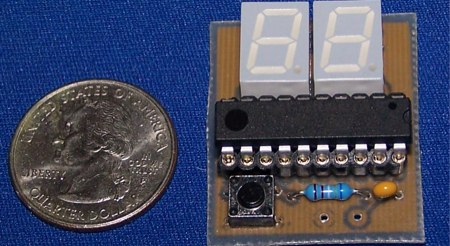
All praise to [Limor] for uncovering this incredibly odd project. [magician]’s perceptual chronograph is designed to test whether time “slows down” in stressful situations. The device flashes a random number on the display very quickly so that it is impossible to perceive what is actually being displayed. If you can read the number while under stress, it means that your ability perceive time has increased. It’s hard to believe, but check out the video embedded after the break that investigates the phenomenon. We can’t help, but wonder how [magician] personally plans on testing this.

Continue reading “Perceptual Chronograph” →

Hackit: Simple Portable Monitor


We’re often asked what a simple way to add a display to a project is and we even hinted at this yesterday with the HMD comparison. The answer is: we’re not really sure. In the past, the go to was PSOne add on displays. They accept composite input which means you can painlessly attach almost any other consumer device with video out. The problem is they’re a little large. Then there’s the spy video car HMD. It’s black and white and accepts composite video too. It’s a little small though, which makes it difficult to work with outside of the original application. So, Hack-a-Day readers, what have you used as a simple palm sized portable display in your projects?