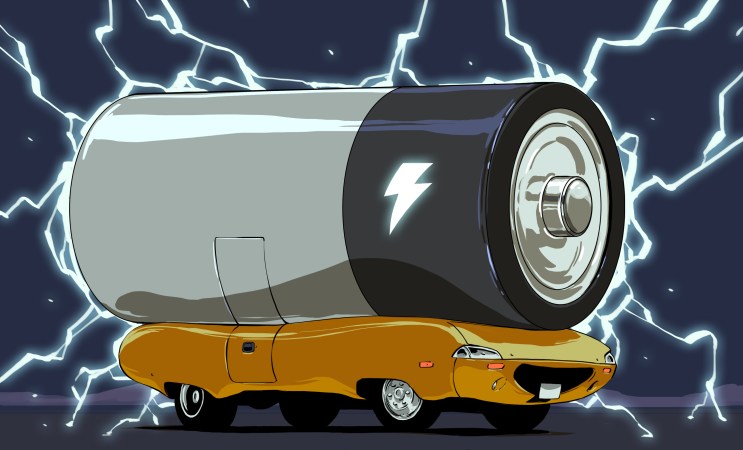
EV Batteries Are Proving Hardier Than Expected

Batteries have a habit of quietly getting worse. Anyone who has nursed an old smartphone through its final years knows the routine—it leaves the house at 100% and is begging for a charger by lunchtime. It’s no surprise, then, that one of the most common worries about electric cars is what happens to the pack after a few years and a lot of kilometres. Nobody wants to buy a used EV only to discover it can barely make it across town. Fears around battery degradation and high replacement costs were the catch cry of many EV doomers over the years.

The good news is that we now have a pretty big pile of data on the question. Austrian battery diagnostics company Aviloo has crunched the results of more than 500,000 tests on used EVs  covering 20 popular models from the likes of Tesla, Volkswagen, Hyundai and Nissan. The data thus far tells us that EV batteries are holding up far better than the naysayers would have you believe.

Continue reading “EV Batteries Are Proving Hardier Than Expected” →

Maker [Dala] showing powerwall statistics

From Vehicle-to-Grid To DIY Home Powerwalls

As battery-to-grid and vehicle-to-home technologies become increasingly mainstream, the potential for repurposing electric vehicle (EV) batteries has grown significantly. No longer just a niche pursuit, using retired EV batteries for home energy storage has become more accessible and appealing, especially as advancements in DIY solutions continue to emerge. Last year, this project by [Dala] showcased how to repurpose Nissan Leaf and Tesla Model 3 battery packs for home energy storage using a LilyGO ESP32, simplifying the process by eliminating the need for battery disassembly.

In the past few months, this project has seen remarkable progress. It now supports over 20 different solar inverter brands and more than 25 EV battery models. The most exciting development, however, is the newly developed method for chaining two EV packs together to create a single large super-battery. This breakthrough enables the combination of, for example, two 100kWh Tesla packs into a massive 200kWh storage system. This new capability offers an accessible and affordable way to build large-scale DIY home powerwalls, providing performance that rivals commercial systems at a fraction of the cost.

With these advancements, the possibilities for creating powerful, cost-effective energy storage solutions have expanded significantly. We do however stress to put safety first at all times.

Hungry for more home powerbanks? We’ve been there before.

Continue reading “From Vehicle-to-Grid To DIY Home Powerwalls” →