Belting Out The Audio

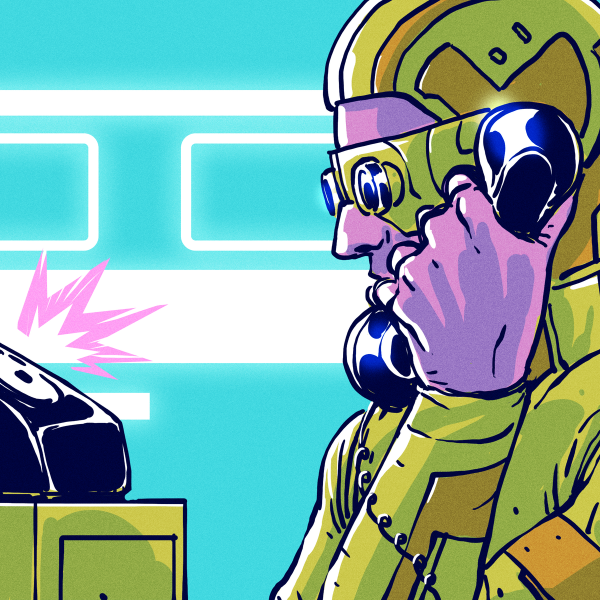
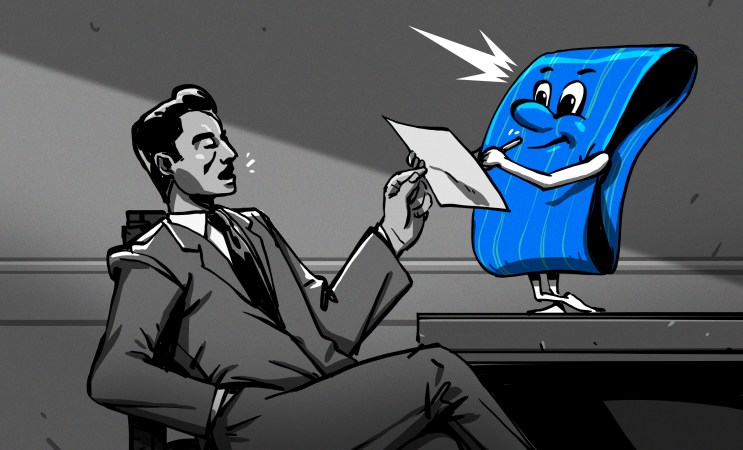
Today, it is hard to imagine a world without recorded audio, and for the most part that started with Edison’s invention of the phonograph. However, for most of its history, the phonograph was a one-way medium. Although early phonographs could record with a separate needle cutting into foil or wax, most record players play only records made somewhere else. The problem is, this cuts down on what you can do with them. When offices were full of typists and secretaries, there was the constant problem of telling the typist what to type. Whole industries developed around that problem, including the Dictaphone company.

The issue is that most people can talk faster than others can write or type. As a result, taking dictation is frustrating as you have to stop, slow down, repeat yourself, or clarify dubious words. Shorthand was one way to equip a secretary to write as fast as the boss can talk. Steno machines were another way. But the dream was always a way to just speak naturally, at your convenience, and somehow have it show up on a typewritten page. That’s where the Dictaphone company started.
Continue reading “Belting Out The Audio”

The Mother Of All Demos, 50 Years On

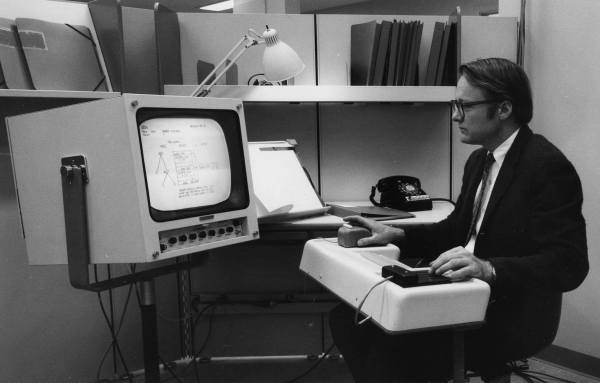
If you’re like me, chances are pretty good that you’ve been taught that all the elements of the modern computer user interface — programs running in windows, menus, icons, WYSIWYG editing of text documents, and of course, the venerable computer mouse — descended from the hallowed halls of the Xerox Corporation’s Palo Alto Research Center in the early 1970s. And it’s certainly true that PARC developed these technologies and more, including the laser printer and object-oriented programming, all of which would grace first the workplaces of the world and later the homes of everyday people.

But none of these technologies would have existed without first having been conceived of by a man with a singular vision of computing. Douglas Engelbart pictured a future in which computers were tools to sharpen the human intellectual edge needed to solve the world’s problem, and he set out to invent systems to allow that. Reading a Twitter feed or scanning YouTube comments, one can argue with how well Engelbart’s vision worked out, but there’s no arguing with the fact that he invented almost all the trappings of modern human-computer interaction, and bestowed it upon the world in one massive demonstration that became known as “The Mother of All Demos.”

Continue reading “The Mother Of All Demos, 50 Years On”