Raleigh Maker Faire 2012

raleigh maker faire 2012

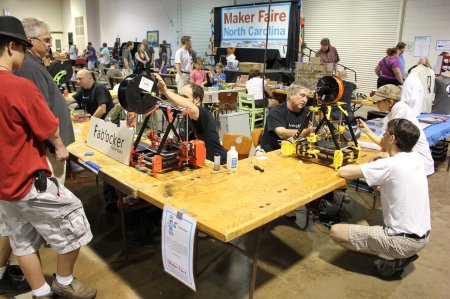
As [Caleb] mentioned earlier, I attended the Raleigh Maker Faire this year as an exhibitor. Although the table was for my personal site, some of you might have noticed that I was wearing a sweet [HAD] shirt and dispensing our stickers (which seemed to fly off the table). The event was extremely fun from the “other end of the … Read the rest

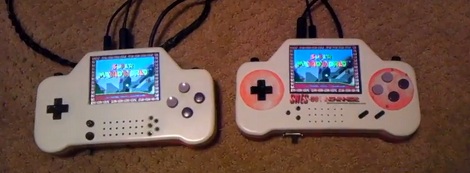
SNES-001 Advance puts displays in the controllers

Twenty years ago, [Downing] would fight with his siblings over who got to watch TV. Obviously, this gave him the idea of putting a television inside his Super Nintendo controller, but at he tender age of 12, [Downing] had neither the experience nor skills to make that happen. Now that he’s older, and much less impressed by the Sega Nomad, … Read the rest

Getting root on a Sony TV

The Sony Bravia series of HDTVs are a great piece of kit; they’re nice displays that usually have enough inputs for the craziest home theatre setups. These TVs also run Linux, but until now we haven’t seen anything that capitalizes on the fact these displays are wall-mounted Linux boxen. [Sam] sent in an exploit to root any Bravia TV – … Read the rest

Cramming for Sparkfun’s Autonomous Vehicle Competition

[Paul Breed] participated in this year’s Autonomous Vehicles Contest put on by SparkFun Electronics. As with most projects, the deadline really snuck up on him and he ended up cramming a bunch of code development into the waning days before the competition. His experiences are shared in this recent blog post.

One big part of the hardware is a … Read the rest

Milling a motorcycle engine

Real motorcycle enthusiasts design and mill their own engines. Well, perhaps that’s an overstatement. Certainly it takes to more obsession than enthusiasm to go to these lengths. But this gentleman’s modifications started out simple enough, and managed to make it to the most extreme of hardware fabrications.

The used bike came with a modified camshaft that seemed like a … Read the rest

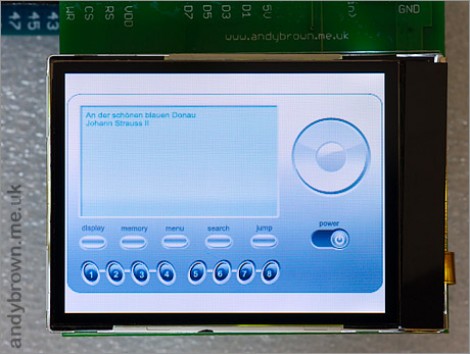
Driving a Nokia QVGA screen with Arduino (or any uC)

This is a Nokia 6300 screen. It’s a 320×240 display that has about 2″ of diagonal viewing area and boasts 24-bit QVGA TFT technology. It’s going to look fantastic in your next project and it won’t be hard to get up and running thanks to the hardware and software guide which [Andy Brown] put together. He chose this display because … Read the rest