Know Audio: Microphone Basics

A friend of mine is producing a series of HOWTO videos for an open source project, and discovered that he needed a better microphone than the one built into his laptop.  Upon searching, he was faced with a bewildering array of peripherals aimed at would-be podcasters, influencers, and content creators, many of which appeared to be well-packaged versions of very cheap genericised items such as you can find on AliExpress.

If an experienced electronic engineer finds himself baffled when buying a microphone, what chance does a less-informed member of the public have! It’s time to shed some light on the matter, and to move for the first time in this series from the playback into the recording half of the audio world. Let’s consider the microphone.

Background, History, and Principles

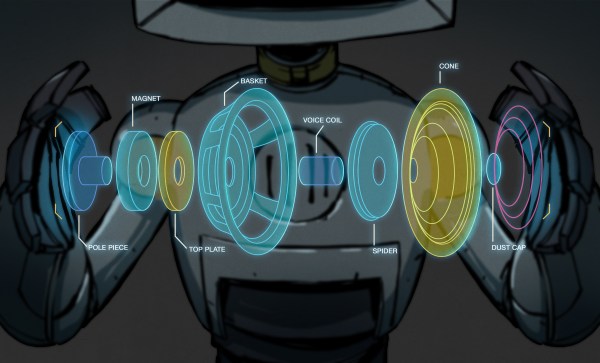
A microphone is simply a device for converting the pressure variations in the air created by sounds, into electrical impulses that can be recorded. They will always be accompanied by some kind of signal conditioning preamplifier, but in this instance we’re considering the physical microphone itself. There are a variety of different types of microphone in use, and after a short look at microphone history and a discussion of what makes a good microphone, we’ll consider a few of them in detail. Continue reading “Know Audio: Microphone Basics”
Microsoft’s WebTV Is Being Revived By Fans

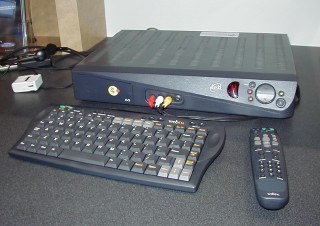
During the 1990s, everyone wanted to surf the information super-highway — also known as the World Wide Web or just ‘Internet’ — but not everyone was interested in getting one of those newfangled personal computers when they already had a perfect good television set. This opened a market for TV-connected thin clients that could browse the web with a much lower entry fee, with the WebTV service being launched in 1996. Bought by Microsoft in 1997 and renamed MSN TV, it lasted until 2013. Yet rather than this being the end, the service is now being revived by members of the community through the WebTV Redialed project.

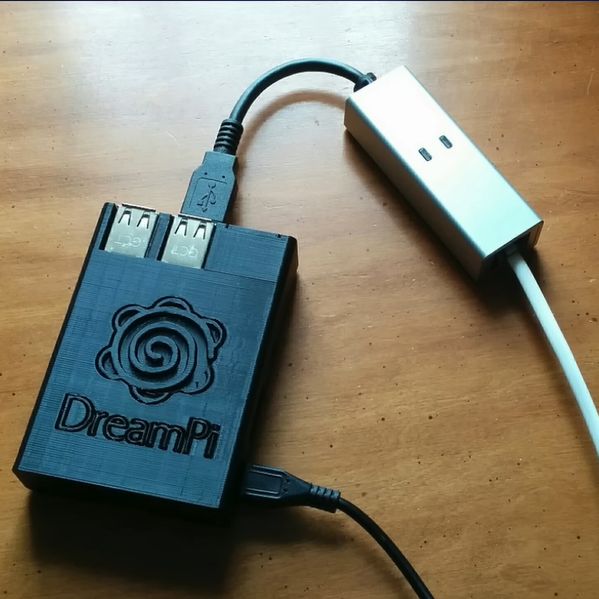
The DreamPi adds dial-up support back to old hardware.

The project, which was recently featured in a video by [MattKC], replaces the original back-end services that the thin clients connected to via their dial-up modems, with the first revision using a proprietary protocol. The later and much more powerful MSN TV 2 devices relied on a standard HTTP-based protocol running on Microsoft’s Internet Information Services (IIS) web server and Windows.

What’s interesting about this new project is that it allows you to not just reconnect your vintage WebTV/MSN TV box, but also use a Windows-based viewer and more. What difficulty level you pick depends on the chosen hardware and connection method. For example, you can pair the Raspberry Pi with a USB modem to get online thanks to the DeamPi project.

Interestingly, DreamPi was created to get the Sega Dreamcast back online, with said console also having its own WebTV port that can be revived this way. Just in case you really want to get the full Dreamcast experience.

Continue reading “Microsoft’s WebTV Is Being Revived By Fans”

39C3: Liberating ESP32 Bluetooth

Bluetooth is everywhere, but it’s hard to inspect. Most of the magic is done inside a Bluetooth controller chip, accessed only through a controller-specific Host-Controller Interface (HCI) protocol, and almost everything your code does with Bluetooth passes through a binary library that speaks the right HCI dialect. Reverse engineering these libraries can get us a lot more control of and information about what’s going on over the radio link.

That’s [Anton]’s motivation and goal in this reversing and documentation project, which he describes for us in this great talk at this year’s Chaos Communication Congress. In the end, [Anton] gets enough transparency about the internal workings of the Bluetooth binaries to transmit and receive data. He stops short of writing his own BT stack, but suggests that it would be possible, but maybe more work than one person should undertake.

So what does this get us? Low-level control of the BT controller in a popular platform like the ESP32 that can do both classic and low-energy Bluetooth should help a lot with security research into Bluetooth in general. He figured out how to send arbitrary packets, for instance, which should allow someone to write a BT fuzzing tool. Unfortunately, there is a sequence ID that prevents his work from turning the controller into a fully promiscuous BT monitor, but still there’s a lot of new ground exposed here.

If any of this sounds interesting to you, you’ll find his write-up, register descriptions, and more in the GitHub repository. This isn’t a plug-and-play Bluetooth tool yet, but this is the kind of groundwork on a popular chip that we expect will enable future hacking, and we salute [Anton] for shining some light into one of the most ubiquitous and yet intransparent corners of everyday tech.