
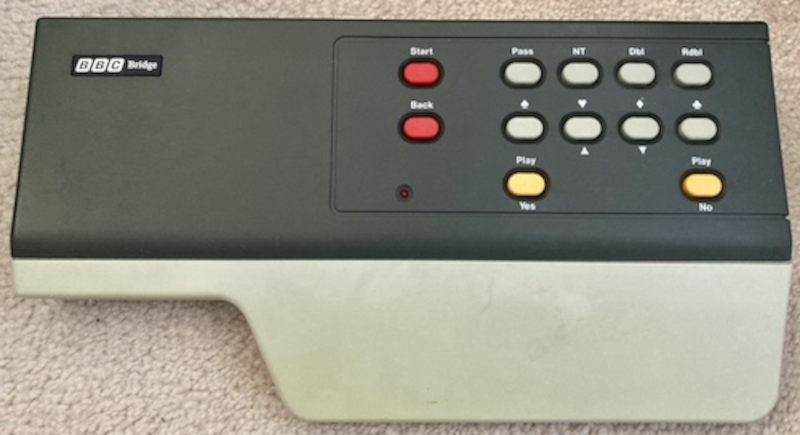
[Leaded Solder] took on an interesting challenge. The BBC, apparently, produced a game console known as the BBC Bridge Companion that connected to your TV and helped you learn to play Bridge back in 1985. At £200, we doubt many were sold new, but there were nine ROM cartridges available, presumably at an additional cost. [Leaded Solder] doesn’t care about playing bridge, but decided to teach the computer itself to play Tetris.
Inside is what you might expect for 1985. A Z80 and TI video chip, although naturally enough, it is the PAL variant. With 16K of VRAM the machine would have been very capable for its day. Unlike some game systems, the Bridge Companion runs its own code before launching what’s on the ROM cartridge. That required a few evenings of reverse engineering to figure out the correct header. Meanwhile, the surplus real hardware needed a quick repair on its cartridge slot before he could test it with real metal.
There were more hurdles, including adapting the PAL output for a composite monitor. Don’t miss the second part of the series for more technical details, and we’ll be interested in following the posts to their conclusion later this month.
Oddly enough, we think this is the first time the BBC Bridge Companion has made an appearance on Hackaday. However, we’ve had no shortage of card shufflers.












This sounds interesting, I’d like to see one in operation. However, these days if you want to play bridge then there’s websites like “BridgeBaseOnline” which not only host thousands of games and tournaments simultaneously but include various levels of robots (and humans!) to play against and learn from.
(Attempts to include Artificial Intelligence have produced mixed results so far, though.)
Incidentally, for those unfamiliar with the game its usually played as ‘duplicate’ where the same sets of hands (boards) are played by all players in a game. This changes the game from “you versus the cards” to “you versus all the other players in the game” and it introduces all sorts of subtleties into the auction and card play. Scoring of such games can be done manually but for larger games clubs use small wireless handhelds or tablets. For what are called ‘sanctioned’ games these are played nationwide (in the US at least) using preset hands with clubs using a machine to set up the boards. Scoring is done not just among the players in an individual game but also against the hundreds or even thousands of others who are playing these hands. It becomes a statistician’s dream!
Didn’t you mean to say adapting the RF output to composite? Composite video can be NTSC, PAL, or SECAM.
Would love to get my hands on one of these…to use for its intended purpose.