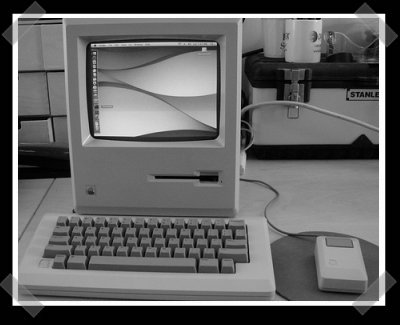
[Dave] sent in his retro Mac project. Putting new guts into an old mac isn’t really unheard of, but I liked his solution to use the original Mac 512k keyboard and mouse. He used an Atmel AT90USB162 to create his own standard USB HID device. The keyboard and mouse appear as a standard USB device, so the mac (or any modern USB PC) can identify use the keyboard and mouse without any additional software.
NTP Alarm Clock
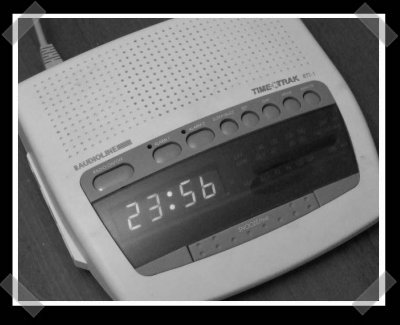
[bifferos] just found us, but he sent in his NTP alarm clock. It’s actually a Sweex LB200021 router with a custom display driver to display 24 hour time. Given my love of NTP, I couldn’t resist posting this one.
Friday Night Double Cap Extra

[scott] sent along his lego ipod dock.
The letter [M] brings us the oscilloscope terminal (AVR based text displayed via oscope).
[Max] sent in his funky alarm clock mod.
[Chad] sent in a question, but I dig his custom camera housings.
[sprite_tm] sent in his new use for a cheap photo display.
UPDATE: Torrents for all the talks at the Chaos Communication Congress have been posted.
USB Transferer (AKA USB Gameboy Card Interface)
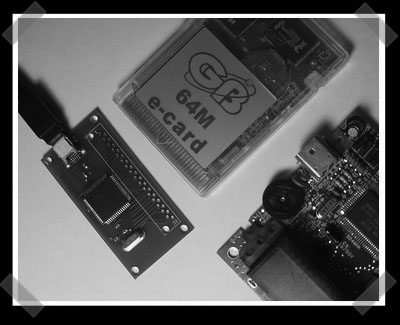
[Jose] sent in his efforts to build his USB Transferer. I’m pretty sure it’s a gameboy flash cartridge interface based on the Atmel AT90USB647 AVR microcontroller. Once the prototype board came in, he soldered the controller, gutted an old gameboy for the cartridge connector and had the device showing up on his PC by the end of the day. Oddly, the card he’s interfacing with is a USB device on it’s own. Until a few more details are published, I’d assume that the interface would be useful for connecting to more than just that particular card.
Electric Roach Motel

[Luhan] built this PIC controlled roach motel. It’s the first micro-controller project that I’ve seen devoted to exterminating a member of the insect world. A PIC 16F675 is used to generate 10 pulses at 400 volts per second. Crispy.
Great Intro To Surface Mount Soldering
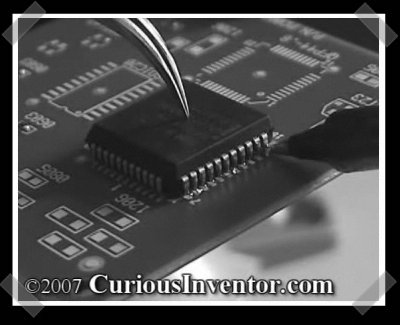
[Scott] sent in his video how-to on surface mount soldering. The macro video quality is excellent, and the demo is great even if you’re already into SMD work. Everything can be done with fine solder, a decent soldering station, tweezers, a 10x loupe and a good selection of flux. I’ve managed quite a bit of SMD work without external flux, but this sort of demo shows just how effective it is.
How To Make A Vacuum Tube
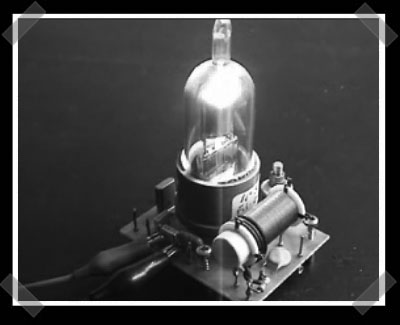
[marco] sent in this video (scroll down) showing how to make a vacuum tube by hand. The page and captions are in french, but it’s pretty interesting to watch. A small spot welder, some fairly basic glass working tools and a vacuum generator are required, but the technology is definitely within reach for the dedicated hardware hacker.