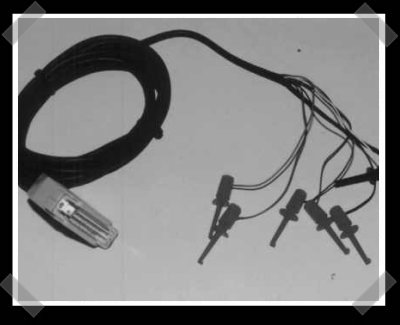
After reading the latest hackit post, [Ben] sent in this older, but simple logic analyzer. The software was written in windows, but the circuit is simple enough, and most hackers I know have more computers than immediate family members. The circuit uses a HC245 octal bus transceiver to feed the 8 data lines on the parallel port. (You can use a variety of chips for this application, most CMOS buffers will probably be fine.)
Hackit: Community Hacking Project?

By popular request, I’ve added a hackit category. Today’s hackit is one of my coffee shop creations. Considering the quality of work we’ve seen, I can’t help but wonder… If the Hack-A-Day community were to come together and produce a joint collaborative hardware project, what could it build? A modular robotics platform? A digital I/O platform for other projects? If you could harness the power of thousands of hardware hacking geeks, what would you ask them to do?
Got a better idea? Let’s hear it.
Replace Your LCD Power Supply
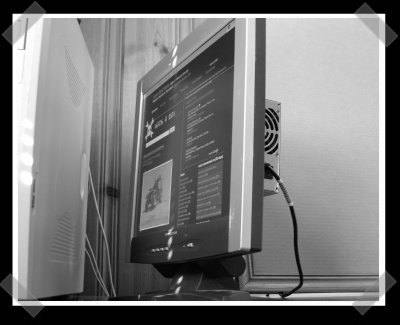
[Computer Guru]’s LCD power supply went out, making it a useless pile of plastic. He used an old computer PSU to replace the defective one. After he identified the outputs on the built-in supply (The one’s I’ve pulled apart were labelled) he stripped down the replacement PSU to provide the necessary voltages.
RGB PIC Color Changer
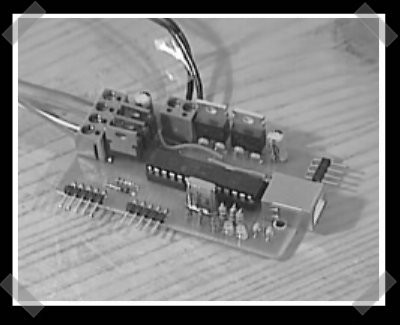
[Ian] put up his RGB LED color changer project over at diylife. It’s a pretty simple project, but well designed and flexible for combining with other projects. He used a PIC18F2550 to drive everything, and some FETs to drive the LEDs. When you connect a USB cable, the color cycling project stops and the PIC responds to simple hex based color commands.
Cesar: Geek Out Your Powerwheels

[Zack Anderson] built this computer controlled autonomous robot (back in 2003) out of an old, ugly powerwheels Jeep. It’s got a full onboard computer with wifi, video camera, SONAR sensors, a robotic arm and it can self-navigate. He’s provided server and client code (I haven’t tried it yet), and The project shouldn’t be a surprise, since he’s been working on entries for the DARPA challenge for a while.
Make Your Own Roll Up Keyboard
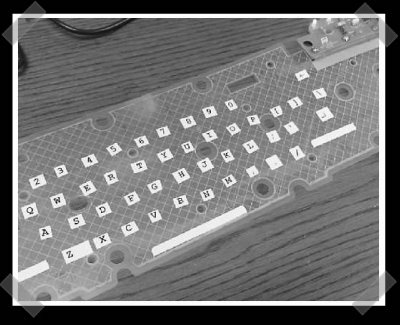
[Auger] sent in this nice little hack. The instructable says to get a USB keyboard (it looks like a Dell USB keyboard to me), gut it and label the flexible membranes inside after you join them together. If you’ve got a supply of this style of keyboard, it could be a cheap source… or better yet, maybe you can use the guts to produce high quality custom keybads.
Vexplorer Computer Control

[kernsy] sent in this nice little PICAXE based hack to provide computer control of a VExpolorer kit robot. The PICAXE takes serial commands and outputs the pulse commands normally generated by the controls directly to the RF chipset in the remote.