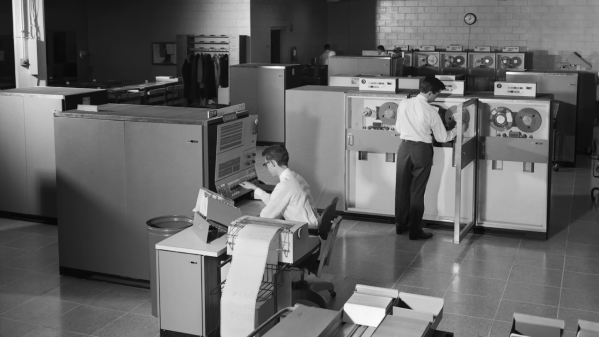
Ever heard of MUMPS? Both programming language and database, it was developed in the 1960s for the Massachusetts General Hospital. The goal was to streamline the increasingly enormous timesink that information and records management had become, a problem that was certain to grow unless something was done. Far from being some historical footnote, MUMPS (Massachusetts General Hospital Utility Multi-Programming System) grew to be used by a wide variety of healthcare facilities and still runs today. If you’ve never heard of it, you’re in luck because [Asianometry] has a documentary video that’ll tell you everything.
MUMPS had rough beginnings but ultimately found widespread support and use that continues to this day. As a programming language, MUMPS (also known simply as “M”) has the unusual feature of very tight integration with the database end of things. That makes sense in light of the fact that it was created to streamline the gathering, processing, and updating of medical data in a busy, multi-user healthcare environment that churned along twenty-four hours per day.
It may show its age (the term “archaic” — among others — gets used when it’s brought up) but it is extremely good at what it does and has a proven track record in the health care industry. This, combined with the fact that efforts to move to newer electronic record systems always seem to find the job harder than expected, have helped keep it relevant. Have you ever used MUMPS? Let us know in the comments!
And hey, if vintage programming languages just aren’t unusual enough for you, we have some truly strange ones for you to check out.
Continue reading “The Database Powering America’s Hospitals May Not Be What You Expect”