America’s mad scientists all have one dream: DARPA money. The Defense Advanced Research Projects Agency regularly throws round sweet, sweet tax dollars to push the envelope on any number of things, leading to such spin-offs as the very network carrying these words to you.
Not every DARPA project ends in revolution though — like the latest DARPA Lift Challenge, the goal of which was to see the creation of a vehicle that could perform Vertical Take Off And Landing with a payload four times its own weight. We’ve embedded the ‘look back’ video below.
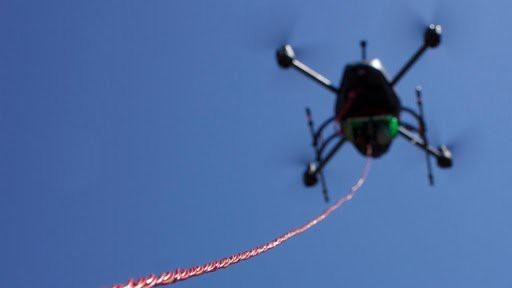
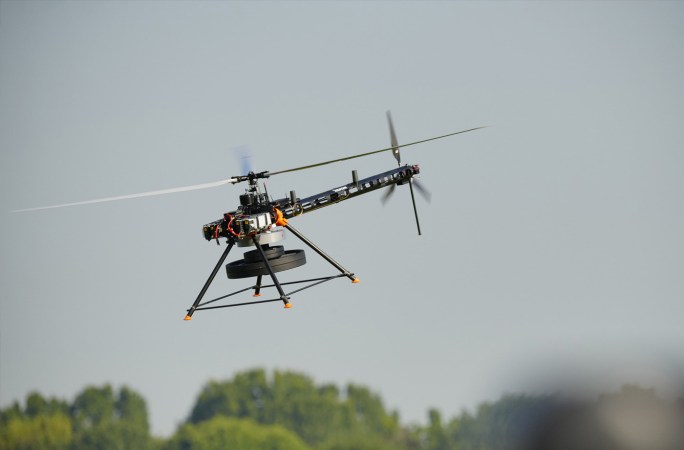
We hoped for something revolutionary, something bizarre, something really, really cool — and there were absolutely entries on the field that met all of those superlatives. But sometimes conventional designs are the convention for a reason, and the winning entry developed by AVIDrone was just a very well made electric helicopter. One big lift rotor, one little tail rotor. Aside from clever details in the solid-state batteries and carbon-fiber construction, it’s a totally normal aircraft — albeit one that can lift 3.84X its dry weight, or 112 lb of payload. Interestingly a battery-powered hexrotor drone took home second place with a 3.64:1 lift ratio. Perhaps the big shock was not seeing combustion engines until third place: another helicopter, this time with a turbine engine. So much for energy density!
Some of the other more bizarre — if less performant — entries did get prizes to further their development, so we’ll likely see them back for the 2028 version of the challenge. Some of the concepts visible were covered here on Hackaday, like turning the drone body into a giant lift rotor, so perhaps one of you will have the bright idea that brings home a million in the next round of the contest.