Building Removable Epoxy Mounting Brackets

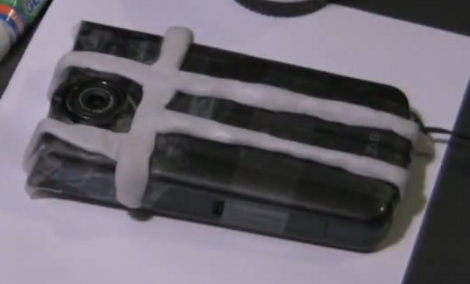
[Jykazu] wanted to use an external lens with his Kodak Zi8 but he didn’t want to alter the camera or glue something onto it. His solution was to build a bracket out of epoxy dough. He first covers the camera in scotch tape to protect the finish, then he kneads the dough to mix the two parts together, using it to form the bracket that you can see above. After curing, the bracket barely sticks to the smooth tape and can be gently removed. A lens cap with a hole drilled in it is glued to this bracket and works like a charm for connecting the lens. Check out his manufacturing method in the videos after the break.

This is a great method for many applications. Last year we saw a product called Sugru which seems to be made for this type of thing but [Jykazu’s] epoxy method is just as impressive.

Continue reading “Building Removable Epoxy Mounting Brackets”

DoomBox: Classic Keys Meet Tiny Screen

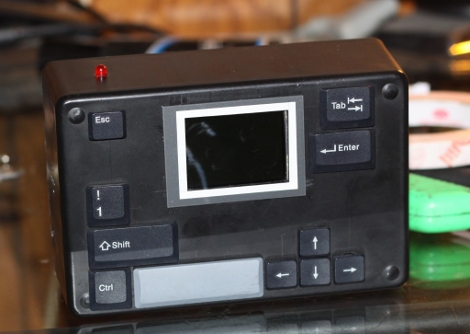
The doomBox is a dedicated gaming rig for lovers of ID Software’s classic title. [JJ] built this from an old Kodak DC290 camera that had a broken lens. Since this runs the Digita OS, he was able to use the Doom port that already exists. But the camera’s factory buttons were not well suited as controls. By whipping up his own button board, and using the traditional keyboard keys for the button caps, he achieved a much more comfortable (yet squint-inducing) gaming experience. The finished project resides in an all-too-familiar black project box. See him fire it up after the break.

The original Doom for Digita OS pages seem to be down so here’s an alternate if you’re interested.

Update: Looks like the original website is back up.

Continue reading “DoomBox: Classic Keys Meet Tiny Screen”

Kodak Digital Frame Vulnerability

Kodak managed to release a product with a big fat security vulnerability. [Casey] figured out that the Kodak W820 WiFi capable digital frame can be hijacked for dubious purposes. The frame can add Internet content as widgets; things like Facebook status, tweets, and pictures. The problem is that the widgets are based on a feed from a website that was publicly accessible. The only difference in the different feed addresses is the last two characters of the frame’s MAC address. Feeds that are already setup can be viewed, but by brute-forcing the RSS link an attacker can take control of the feeds that haven’t been set up yet and preload them with photos you might not want to see when you boot up your factory-fresh frame.

It seems the hole has been closed now, but that doesn’t diminish the delight we get from reading about this foible. There’s a pretty interesting discussion going on in the thread running at Slashdot.

[Photo credit]