
Why Leaded Fuel Is Still A Thing

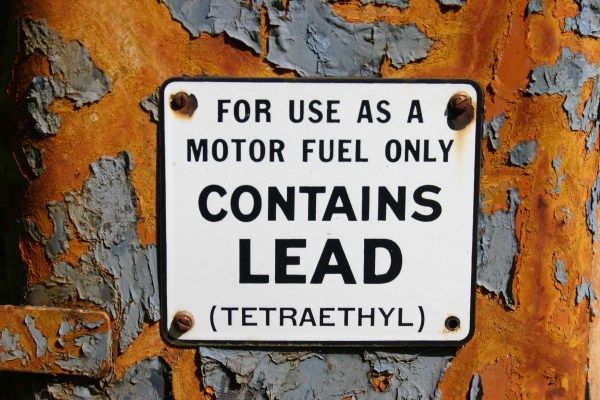
Leaded fuel is considered one of the greatest environmental failures in modern human history. Adding tetraethyl lead to gasoline reduced knock in internal combustion engines, which was widely considered a good thing. It was only later that the deleterious health effects came into view, by which point there was a massive fleet of lead-dependent automobiles and an industry reluctant to change. Still, the tide turned, and over the last 50 years, unleaded fuel has become the norm for automotive use across the world.

And yet, there remains a hold out—a world where engines still burn leaded fuels and spray their noxious fumes across the countryside. In the aviation sector, leaded fuel remains a normal part of everyday operations to this day amidst concerted efforts to eliminate it for good.


Continue reading “Why Leaded Fuel Is Still A Thing”

Tetraethyl Lead: The Solution To One, And Cause Of Many New Problems

From the 1920s until the 1970s, most gasoline cars in the USA were using fuel that had lead mixed into it. The reason for this was to reduce the engine knocking effect from abnormal combustion in internal combustion engines of the time. While lead — in the form of tetraethyllead — was effective at this, even the 1920s saw both the existence of alternative antiknock agents and an uncomfortable awareness of the health implications of lead exposure.

We’ll look at what drove the adoption of tetraethyllead, and why it was phased out once the environmental and health-related issues came into focus. But what about its antiknock effects? We’ll also be looking at the alternative antiknock agents that took its place and how this engine knocking issue is handled these days.

Continue reading “Tetraethyl Lead: The Solution To One, And Cause Of Many New Problems”







