
Can A CPAP Fan Become A Ventilator?

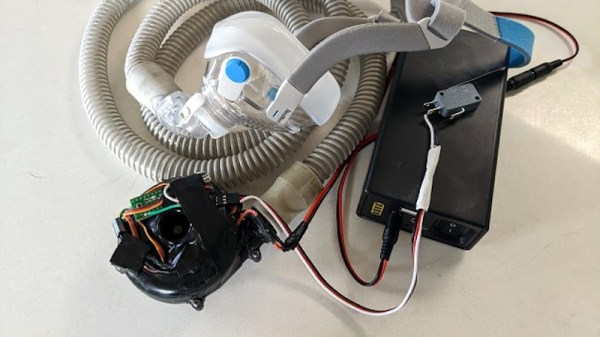
Watching the hardware community respond to the global pandemic is a fascinating process, because of the breadth of projects being considered, and also because of the differing experiences and perspectives being brought to the table. Components most of us might have been unaware of are appearing, such as the CPAP blower used by [Jcl5m1] in his ventilator design.

He starts with a very necessary disclaimer against trusting a random person on the Internet on the subject of medical equipment design, and since it must be possible to do damage with an inappropriate ventilator we can only echo that. But as a CPAP user he’s familiar with their operation and parts, and he’s taken the centrifugal blower from one of them and paired it with a speed controller and an Arduino to provide an adjustable pressure.

What we take away from this is not in any way a ventilator that’s ready to be hooked up to sick patients, but an interesting look at ventilators in general, CPAP components, and the possibility that this project and others like it might eventually form the basis of something more useful if they attract the attention of people with more experience in the field. We’ve already seen 3D-printing used to make valves for a respirator at a hospital in Italy.

Ultimate Medical Hackathon: How Fast Can We Design And Deploy An Open Source Ventilator?

[Gui Cavalcanti], whose name you might recognize from MegaBots, got on a call with a medical professional in San Francisco and talked about respirators. The question being, can we design and deploy an open source version in time to help people?

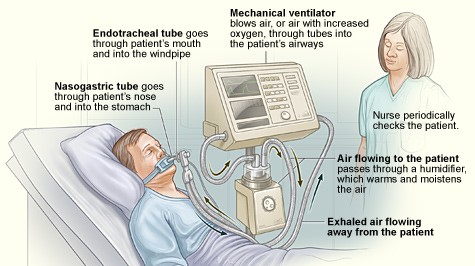
Unnerving reports from Italy show that when the virus hits the susceptible population groups the device that becomes the decider between life and death is a ventilator. Unfortunately they are in short supply.

The problem gets tricky when it comes to what kind of respirator is needed CPAP, BIPAP, or Hi-Flo oxygen NIV are all out. These systems aerosolize the virus making it almost guaranteed that anyone around them will get infected.

What we need is a Nasal cannula-based NIV. This system humidifies air, mixes it with oxygen and then pushes a constant stream of it into people’s lungs.  If we can design a simple and working system we can give those plans to factories around the globe and get these things made. If the factories fail us, let’s also have a version people can make at home.

If you aren’t sure if a ventilator is something you can work on there are other problems. Can you make algorithms to determine if a person needs a ventilator. Can we recycle n95 masks? Can we make n95 masks at home? Workers also require a negative pressure tent for housing patients. This will be especially useful if we need to build treatment facilities in gyms or office spaces. Lastly if you’re a medical professional, can you train people how to help?

Let’s beat this thing. The ultimate medical hackathon begins.








