Secure Communication, Buried In A News App

Cryptography is a funny thing. Supposedly, if you do the right kind of maths to a message, you can send it off to somebody else, and as long as they’re the only one that knows a secret little thing, nobody else will be able to read it. We have all sorts of apps for this, too, that are specifically built for privately messaging other people.

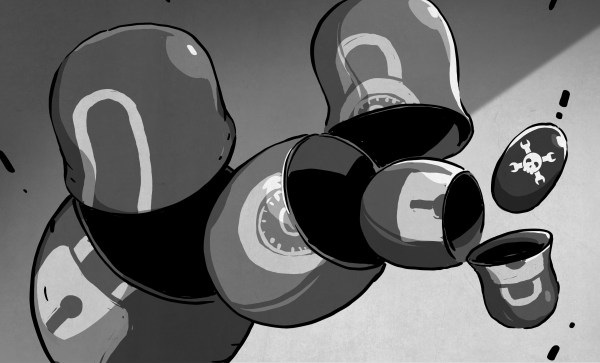
Only… sometimes just having such an app is enough to get you in trouble. Even just the garbled message itself could be proof against you, even if your adversary can’t read it. Enter The Guardian. The UK-based media outlet has deployed a rather creative and secure way of accepting private tips and information, one which seeks to provide heavy cover for those writing in with the hottest scoops.

Continue reading “Secure Communication, Buried In A News App”
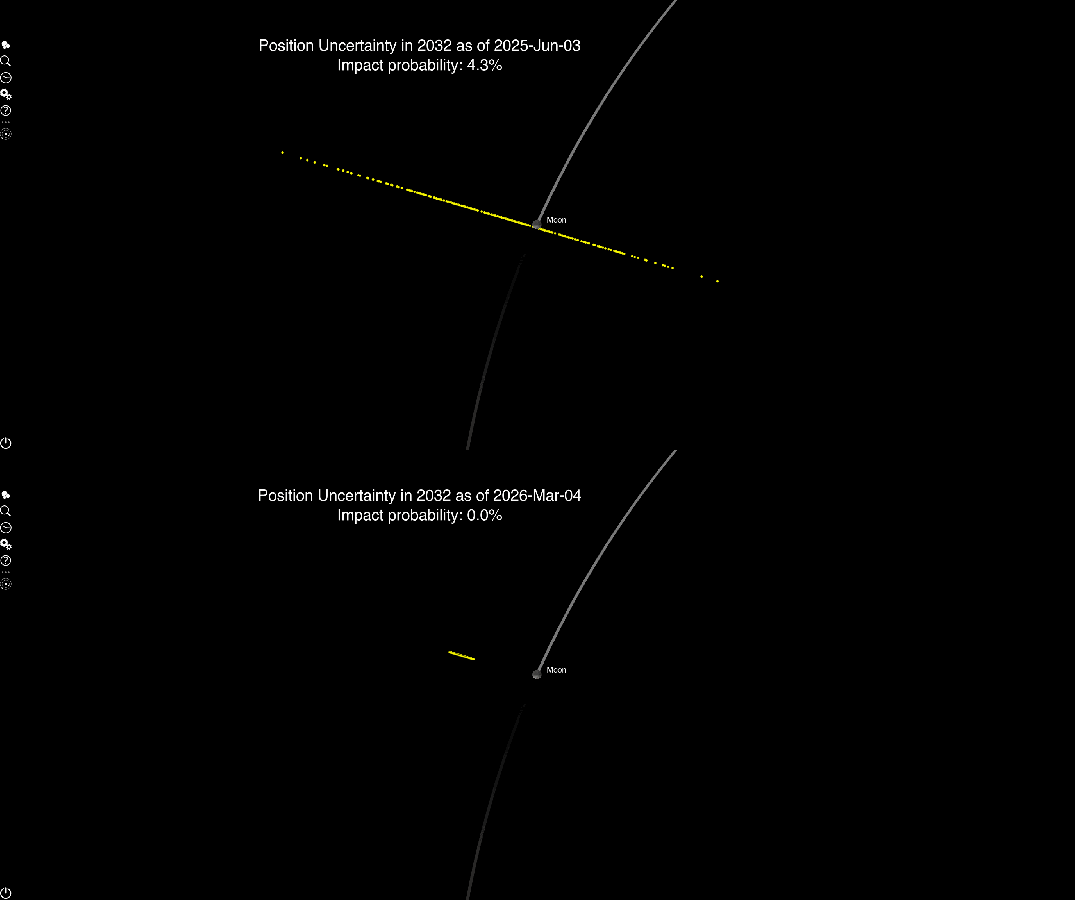
GIF shows the impact window narrowing to exclude the moon

The Moon Is Safe, For Now: No Collision In 2032 After All

When Asteroid 2024 YR4 was first discovered, it created a bit of a kerfuffle when it was reported it had a couple-percent chance of hitting the Earth in 2032. At 60 meters (196 feet) across, this would have been in the “city killer” class that nobody really wants to see make landfall, so NASA and the ESA scrambled all assets to refine its trajectory in time to do something about it. Amongst those assets was the James Webb Space Telescope (JWST), which is now reporting it will miss both us and our moon.

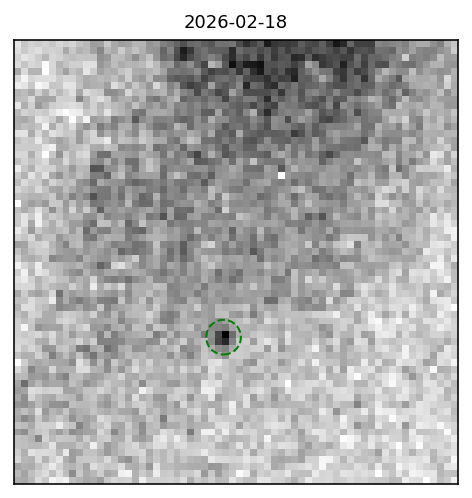
Even with the JWST, asteroid 2024 YR4 only fills a few pixels.

We reported that JWST was being tapped for this task over a year ago, when the main concern was still if YR4 might hit Earth or not. An Earth impact was fairly quickly ruled out as the window narrowed to include only to Earth’s moon, and concern shifted to excitement. A city killer striking Earth is obviously bad news. The same thing happening to the Moon is a chance to do science — and 2032 would have been plenty of time to get assets in place to observe the impact.

Unfortunately for the impact-curious, JWST was able to narrow down the trajectory further — and we’ve now gone from up to a 4% chance of hitting Luna to a sure miss of 20,000 km or more.

As this game of cosmic billiards we call a solar system continues, it’s only a matter of time before Earth or her moon is struck by another object. Unless we can deflect it, that is — NASA and partnering agencies have been testing how to do that.

Reverse-Engineering The Bluetooth Fichero Thermal Label Printer Protocol

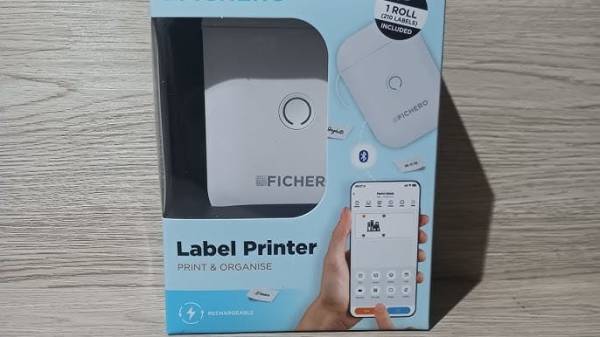
It’s hard to deny that label printers have become more accessible than ever, but an annoying aspect of many of these cheap units is that their only user interface is a proprietary smartphone app connected via Bluetooth. The Fichero-branded label printer that [0xMH] obtained for a mere 10 Euro at a store in the Netherlands was much the same, with an associated app that doesn’t just bind it to smartphones, but also requires no fewer than 26 permissions. Obviously this required some reverse-engineering of the BLE protocol.

The fruits of this reverse-engineering effort can be found in the GitHub repository, with the most interesting part probably being that this Fichero is just one of many relabeling of generic label printers, this one being an AiYin D11, by Xiamen Printer Future Technology. This means that other iterations of this D11 will work exactly the same, as they all use the same ‘LuckPrinter’ SDK.

[0xMH] provides a Web GUI to talk with a local D11 printer, though you can also use the Python scripts, or of course implement the protocol using your favorite language and frameworks, so that you can finally control a cheap label printer from a PC or even BLE-equipped MCU like the software gods intended.

Thanks to [T-ice] for the tip.